Route
A road trip along Ireland’s west coast with Dublin as the starting and ending point. The route leads from Wicklow along the south coast and through County Kerry to Connemara. A ferry crossing takes you to the Aran Islands before returning through the Midlands.
Pace
The pace varies. Some days involve longer drives, while others allow more time in one place. It is worth planning extra time for The Burren and the Cliffs of Moher—travellers who rush through miss half of what makes them special.
Highlights
Glendalough, the Rock of Cashel, the Kerry Cliffs overlooking the Skellig Islands archipelago, the limestone plateau of The Burren and Inishmore, one of the few places in Ireland where Irish is still spoken daily.
Accommodation
Small hotels and characterful B&Bs in locations where you step straight into the landscape the next morning.
Profile
For travellers discovering Ireland for the first time who want to see the country’s key regions in one trip. The route passes coastlines, mountains and villages while combining nature with cities such as Dublin and Kilkenny.
Day 1: Arrival and County Wicklow
After arriving at Dublin Airport, you collect your rental car and drive about an hour to County Wicklow. The city quickly disappears behind you and the landscape immediately becomes greener and quieter.
A good first stop is Powerscourt Gardens, one of the most famous gardens in Ireland. Terraces, fountains and long sightlines guide your view toward the Wicklow Mountains in the distance. Walk through the different gardens, from formal Italian terraces to more natural corners, and take your time to settle in after the journey.
You then continue to your accommodation in the Wicklow region, where your round trip really begins.
Day 2: Glendalough and the Wicklow Mountains
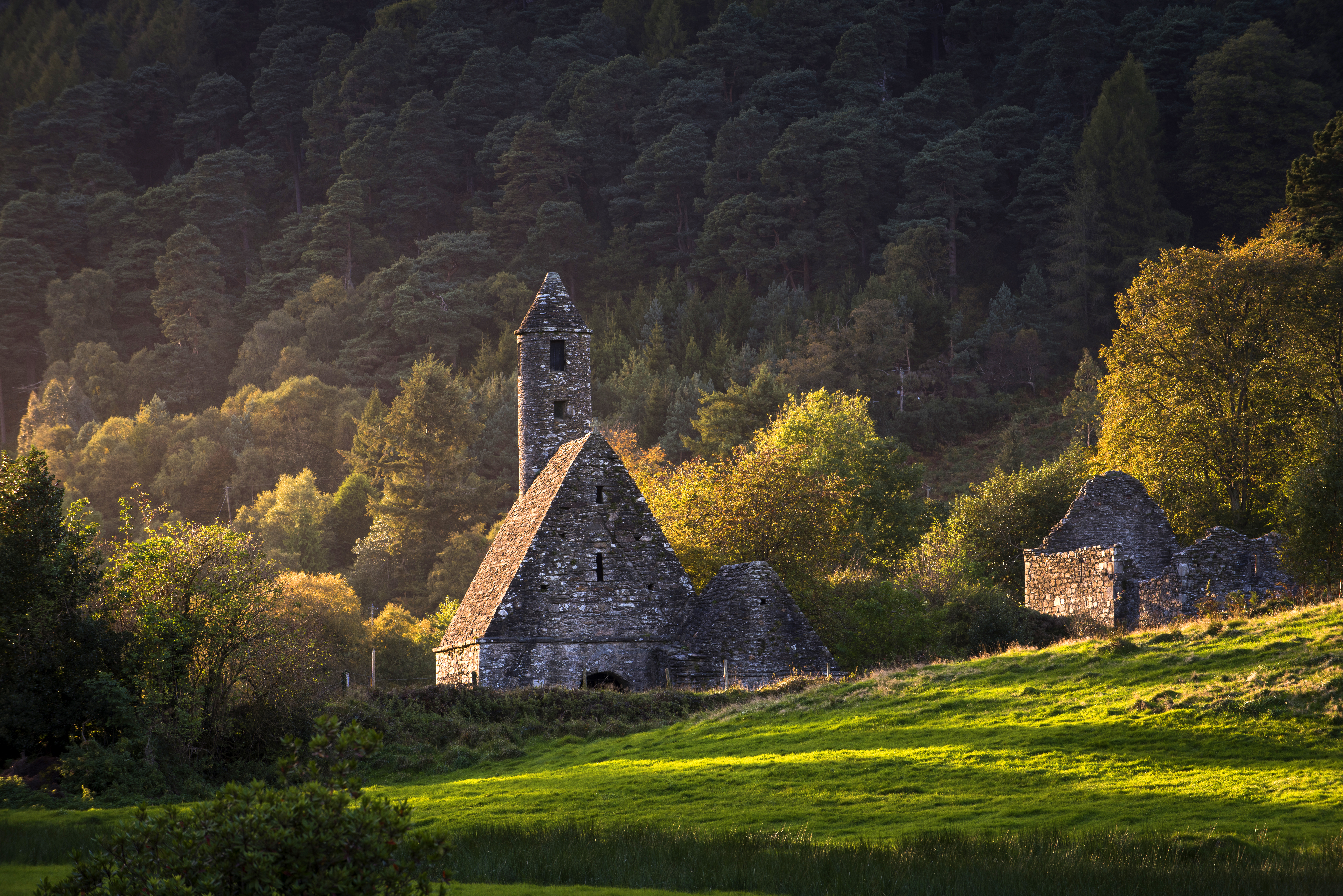
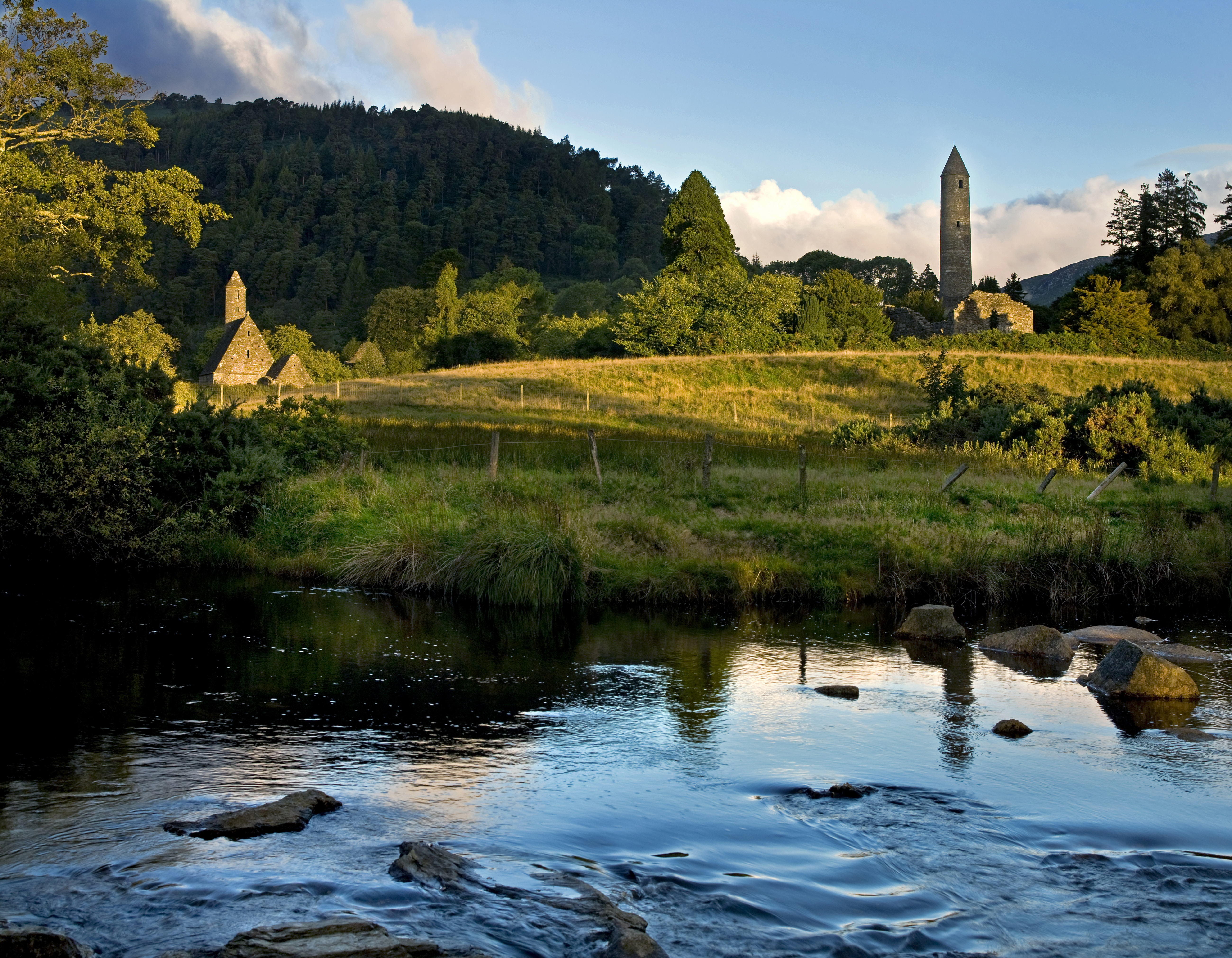
Today you head into the Wicklow Mountains. In Glendalough lies one of the most famous monastic sites in Ireland, founded in the sixth century in a quiet valley between two lakes. The round tower and the ruins of the old church form the heart of the complex.
Several walking trails start from the monastic site. The walk to the Upper Lake is a good option: the path follows the lake and leads you to a quieter part of the valley where the landscape truly stands out.
In the afternoon you can stop at Powerscourt Distillery, close to the estate you visited yesterday. Here you taste Irish whiskey in a surprisingly modern distillery.
Day 3: Kilkenny and the Rock of Cashel
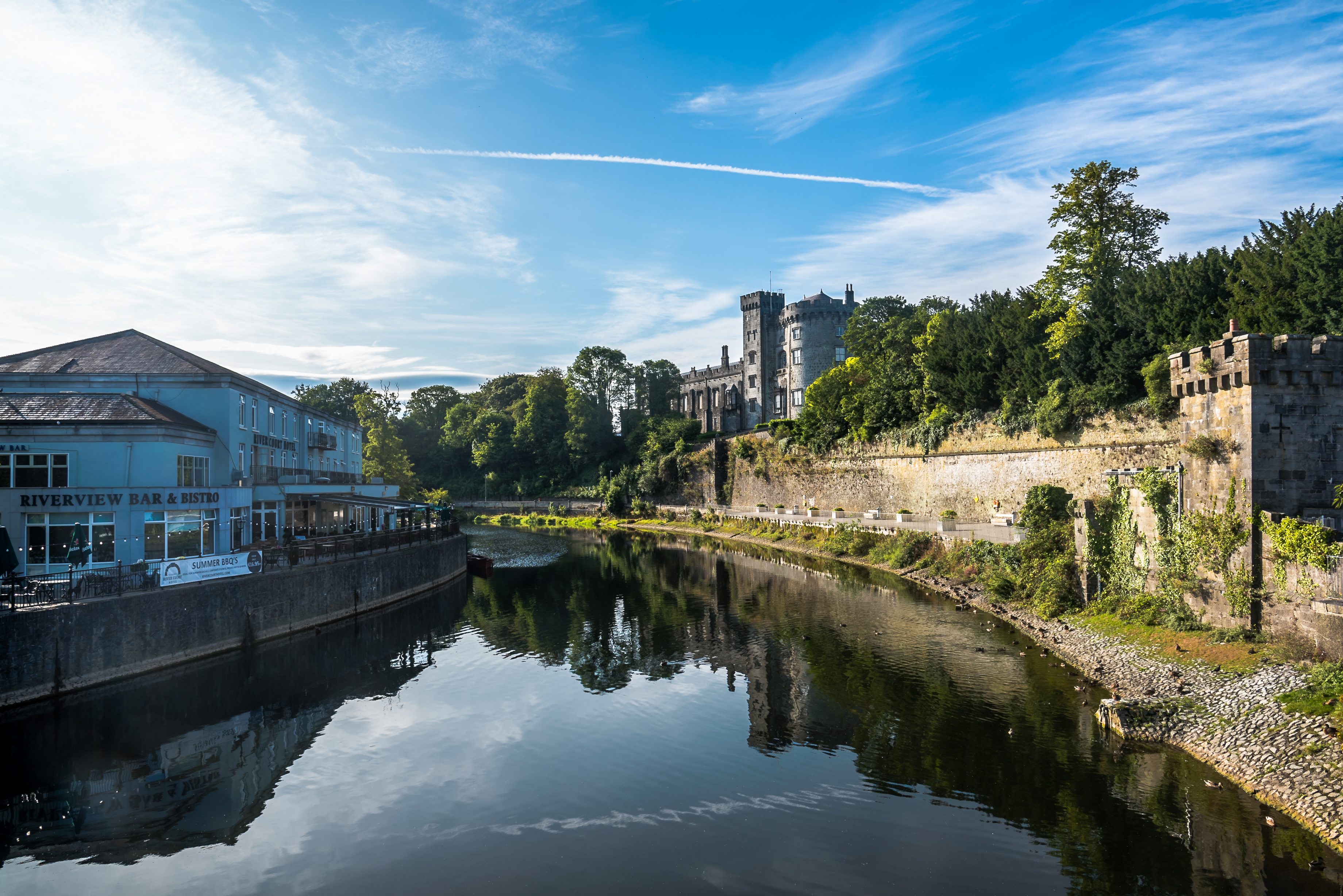
Today you drive south to Kilkenny, one of the most charming towns in Ireland. In the compact centre, narrow streets, small shops and historic buildings lie close together. The main landmark is Kilkenny Castle, which has shaped the skyline of the town for centuries.
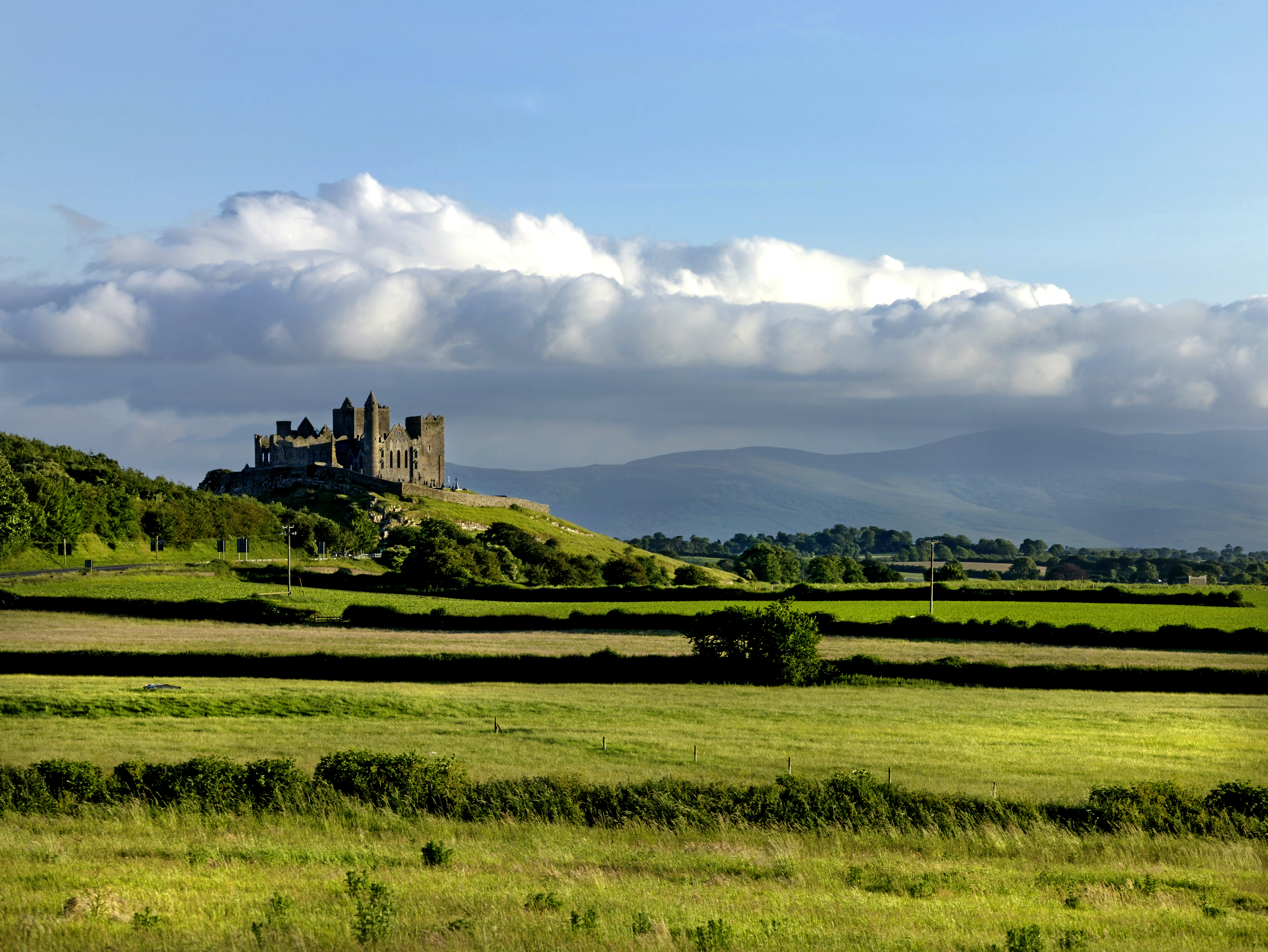
After lunch you continue toward the south coast. On the way, a stop at the Rock of Cashel is well worth it. This impressive rock hosts a group of medieval churches and towers. The complex rises high above the surrounding countryside and is one of the most recognisable historic sites in Ireland.
Afterwards you continue your journey toward the coast.
Day 4: Cork and Kinsale
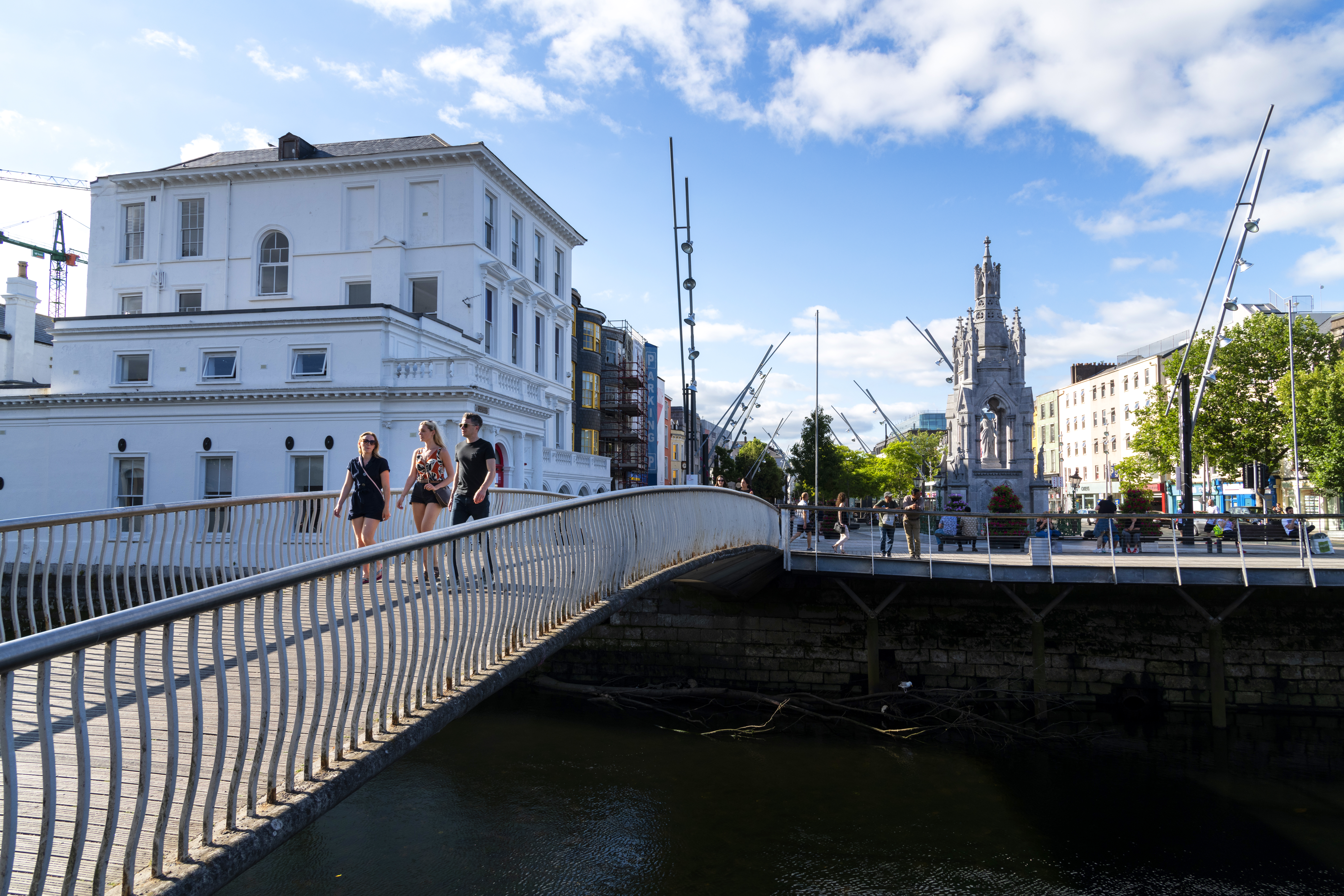
Today you continue to Cork, the second city of Ireland. In the centre you find the English Market, a covered market where local producers have been selling their goods since the eighteenth century. Walk past the stalls of cheeses, fish and meats and taste something along the way.
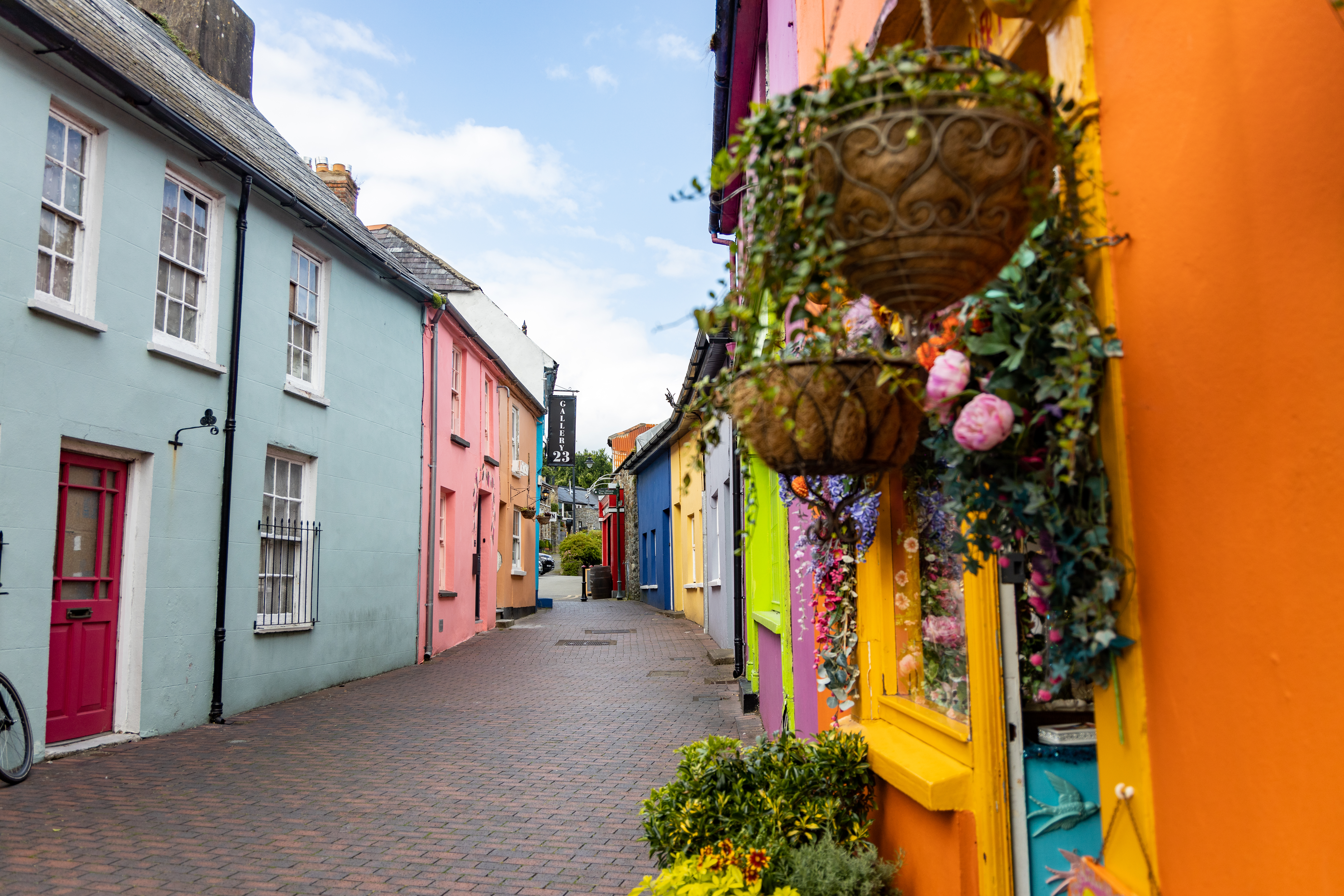
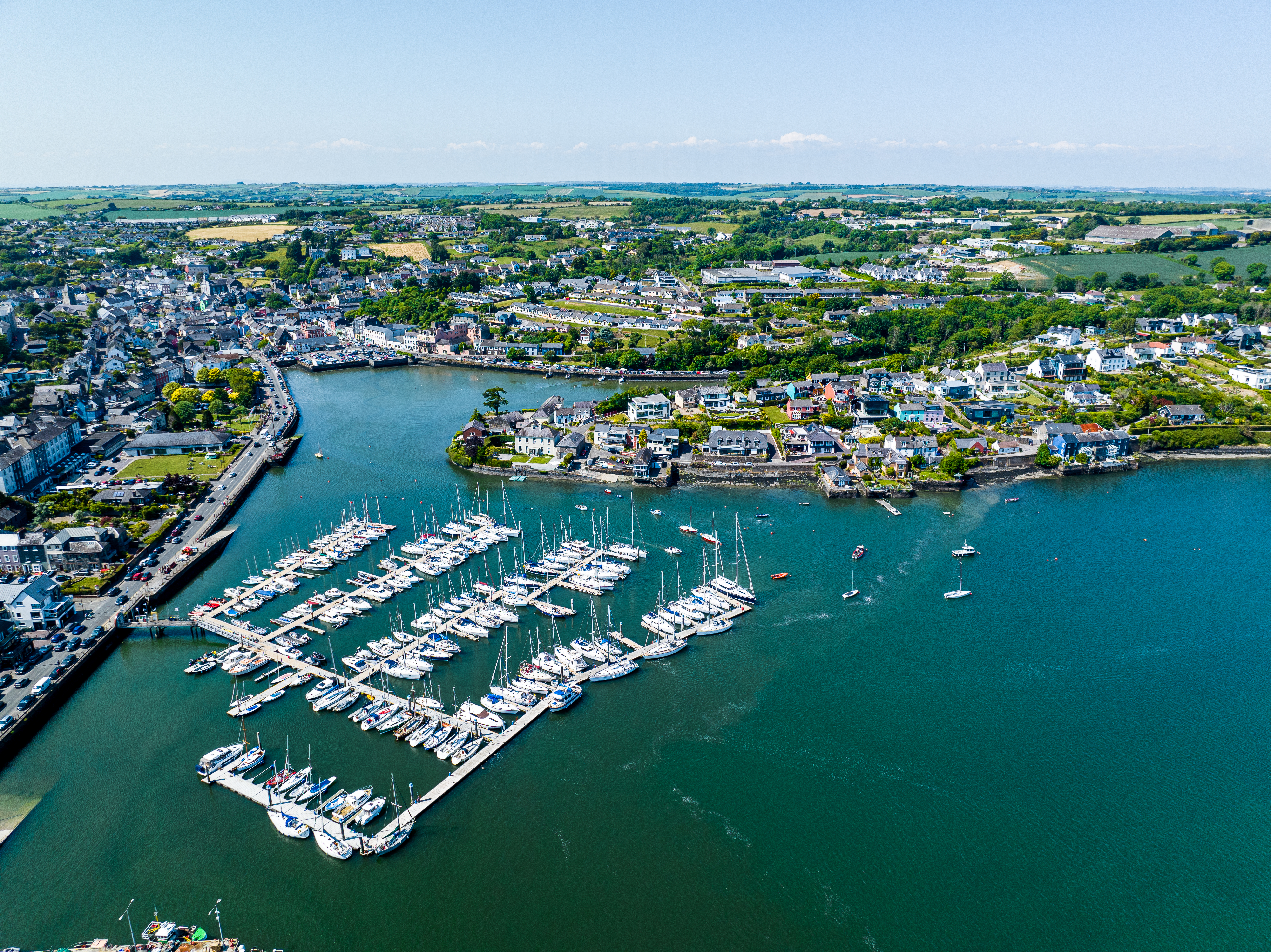
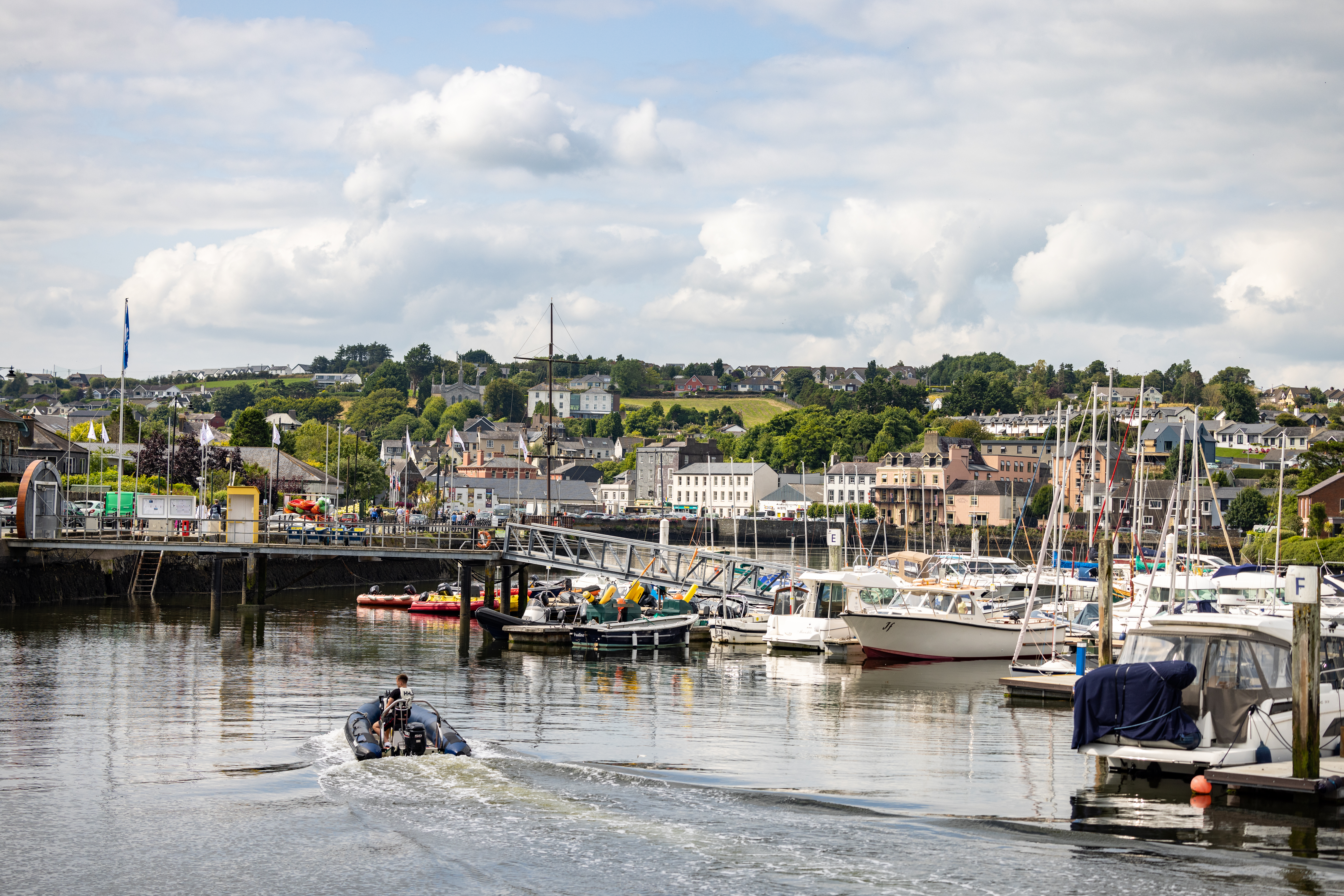
Afterwards you drive to Kinsale, a colourful harbour town known for its excellent restaurants. The small streets around the harbour are filled with cafés and shops. Those looking for something different can join a foraging walk along the coast, where a guide shows you which plants and seaweeds grow here.
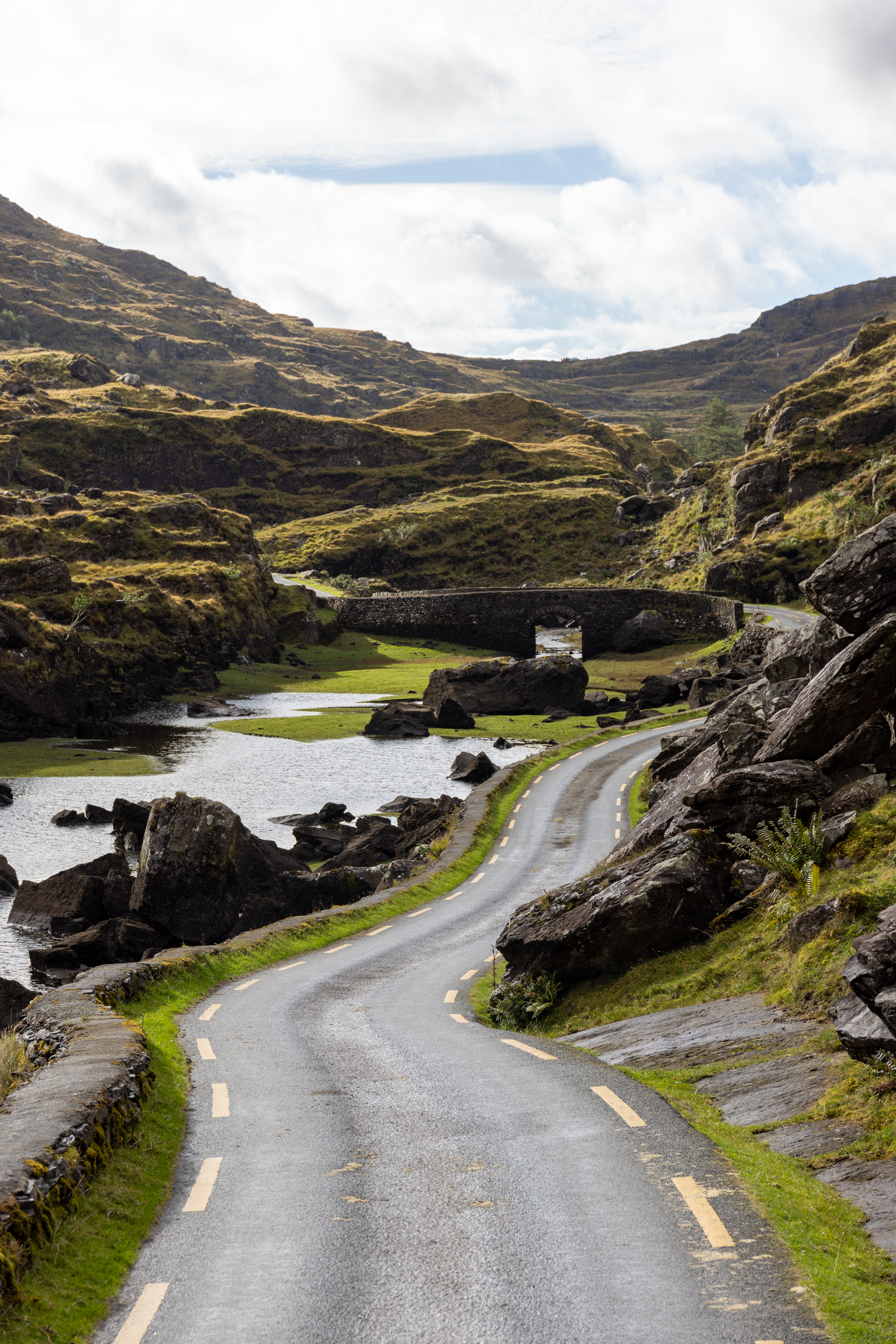
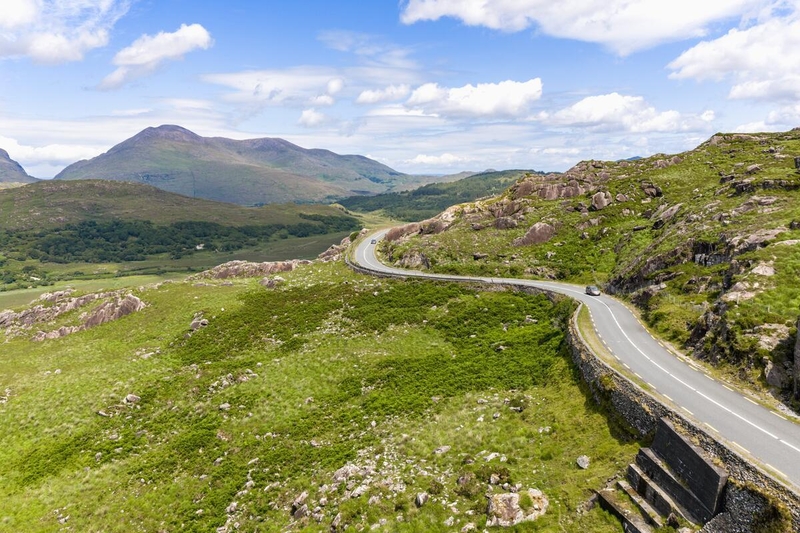
In the afternoon you continue via the Caha Pass, a winding mountain pass with beautiful views, toward County Kerry.
Day 5: Ring of Kerry
Today one of the most famous routes in Ireland is on the programme: the Ring of Kerry. This circular drive leads along rugged Atlantic coastlines, small villages and green hills.
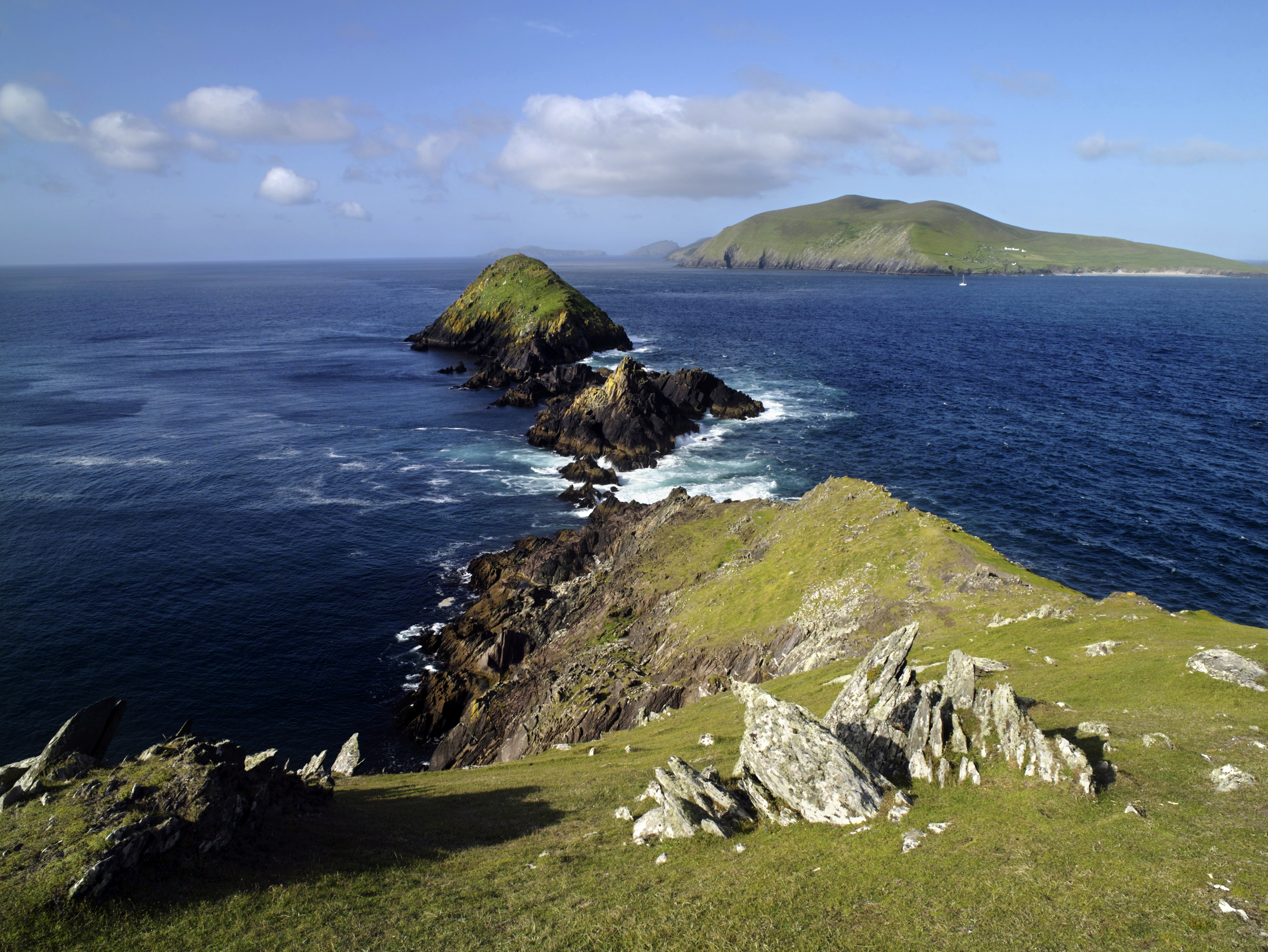
A nice stop is the Kerry Cliffs, where you look out toward the Skellig Islands in the distance. Along the way you can also stop at Skelligs Chocolate, a small chocolatier overlooking the sea.
Further on in Killarney National Park lies Ladies View, a viewpoint over the lakes of Killarney. Take some time here to look around before continuing the route.
Day 6: Dingle Peninsula and Adare
After breakfast you drive to the Dingle Peninsula, one of the most beautiful peninsulas in Ireland.
First you pass Inch Beach, a long beach stretching into the bay and ideal for a short walk. Afterwards you follow the Slea Head Drive, a coastal road that runs along cliffs, small beaches and ancient stone huts.
Via the Conor Pass, the highest mountain pass in Ireland open to traffic, you continue toward County Limerick. On clear days you have views here over mountains, lakes and the Atlantic coast.
The day ends in Adare, a village known for its charming street lined with thatched cottages.
Day 7: Cliffs of Moher and the Burren
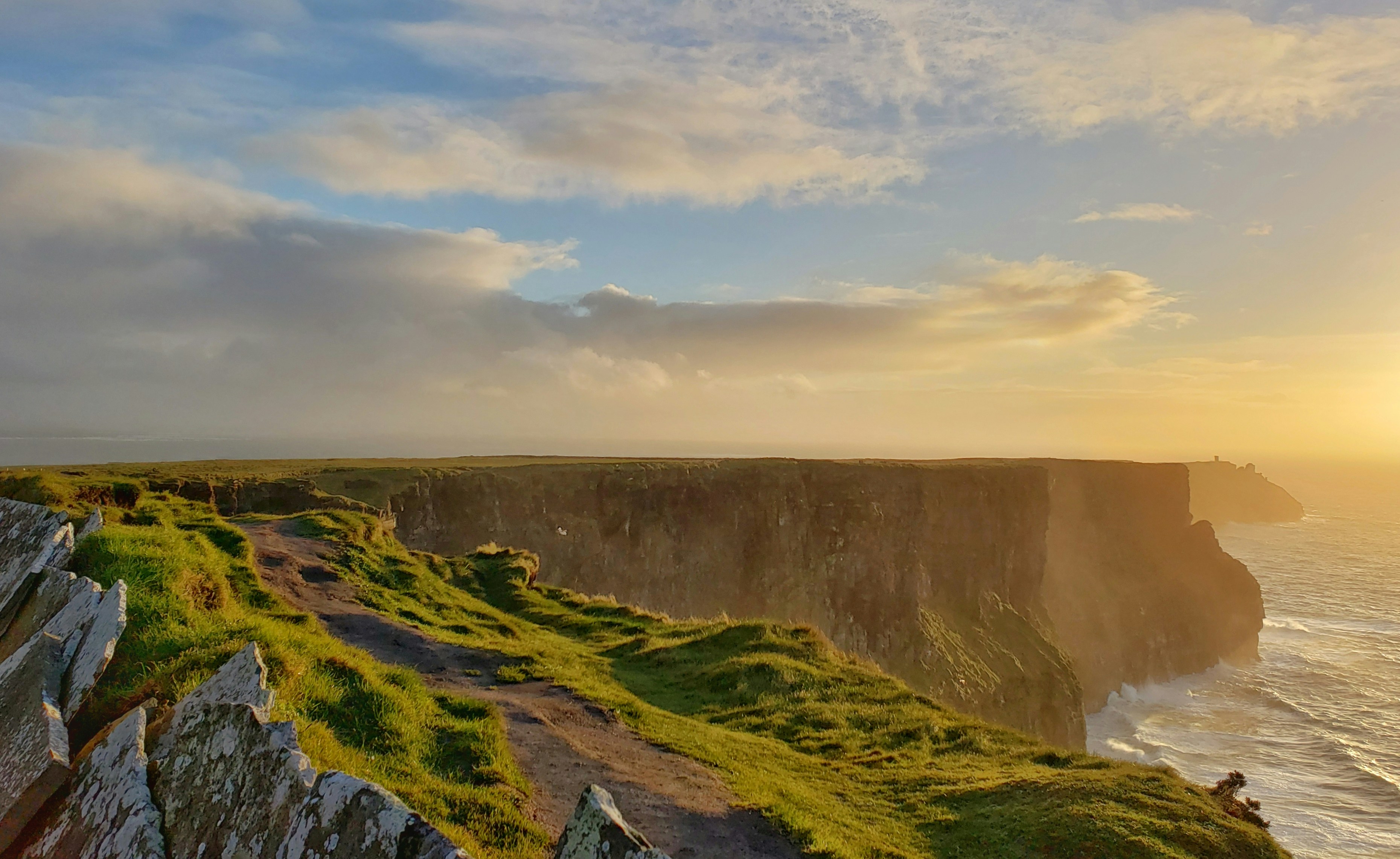
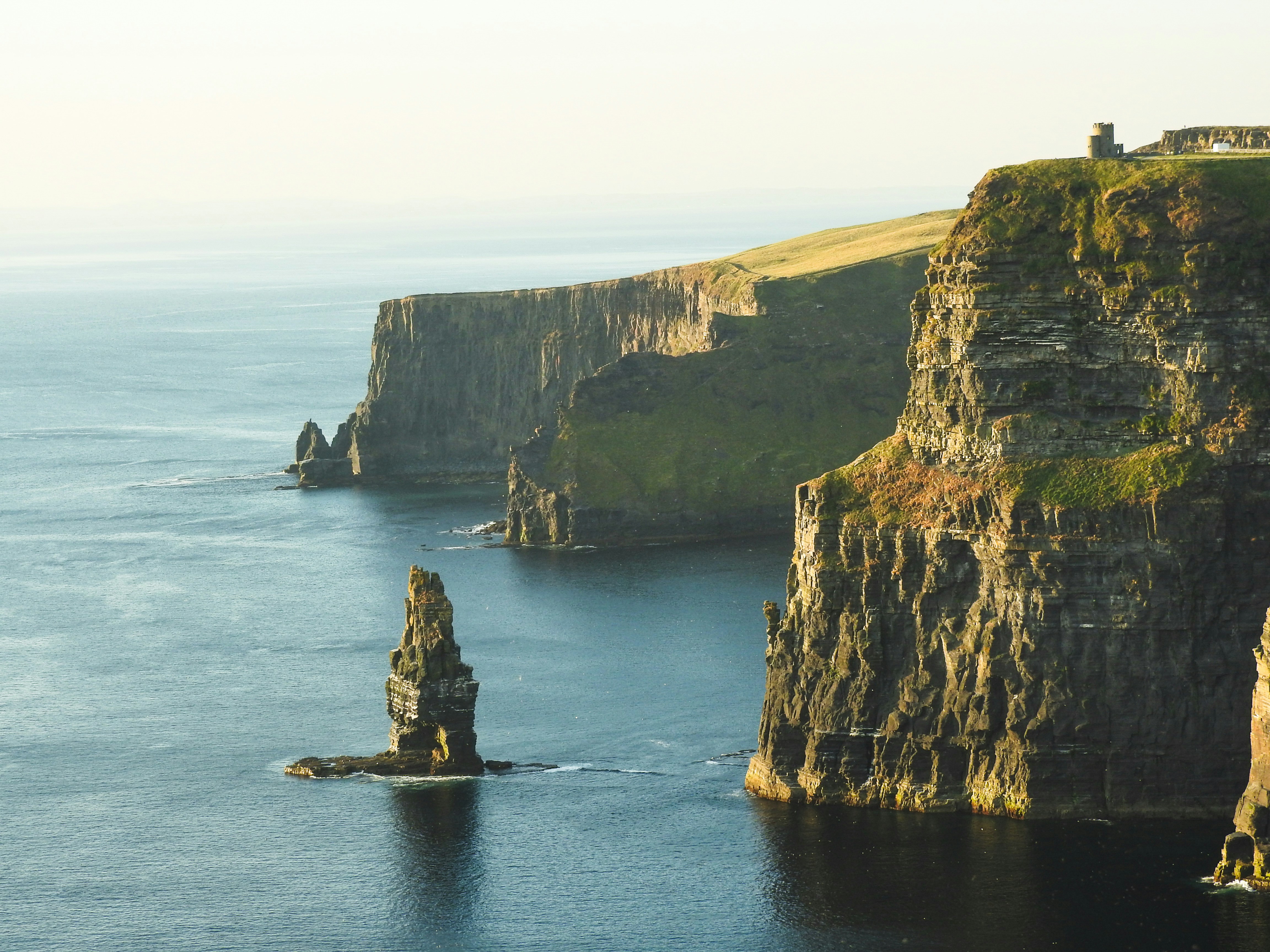
Today you drive toward County Clare. The best-known highlight of the region is the Cliffs of Moher, cliffs that stretch for kilometres along the Atlantic coast. Walk along the edge of the cliffs. Travellers who continue a little further often find quieter sections with equally beautiful views.
Afterwards you drive through the Burren, a unique limestone landscape where plants grow that you would normally expect in completely different climates. On the way you can stop at the Burren Smokehouse, where salmon is traditionally smoked.
Day 8: Connemara
Today you explore Connemara, a region of rugged mountains, quiet lakes and wide open landscapes.
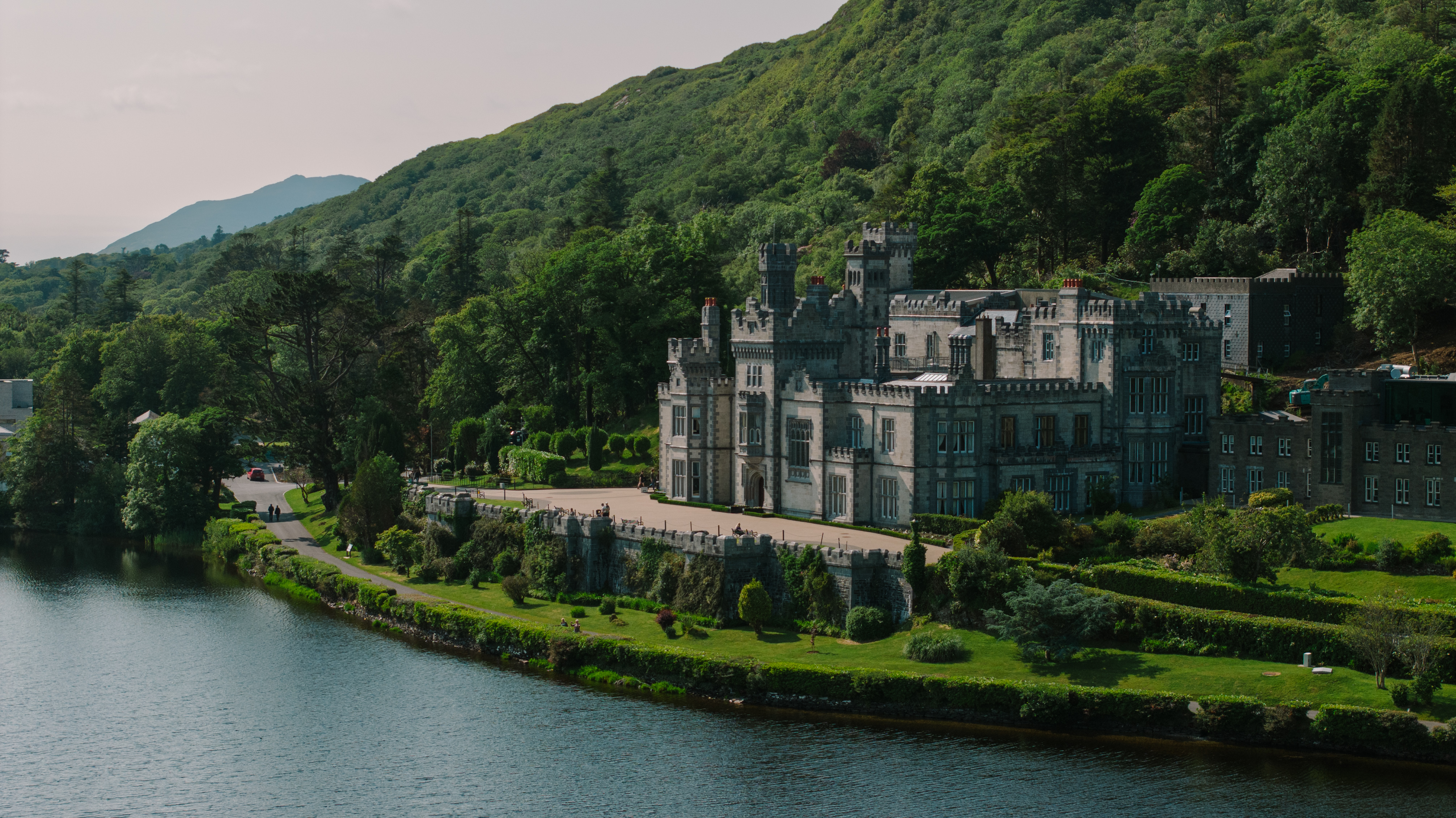
A first stop is Kylemore Abbey, a neo-Gothic castle located beside a lake. The abbey and the walled gardens form a peaceful place for a walk.
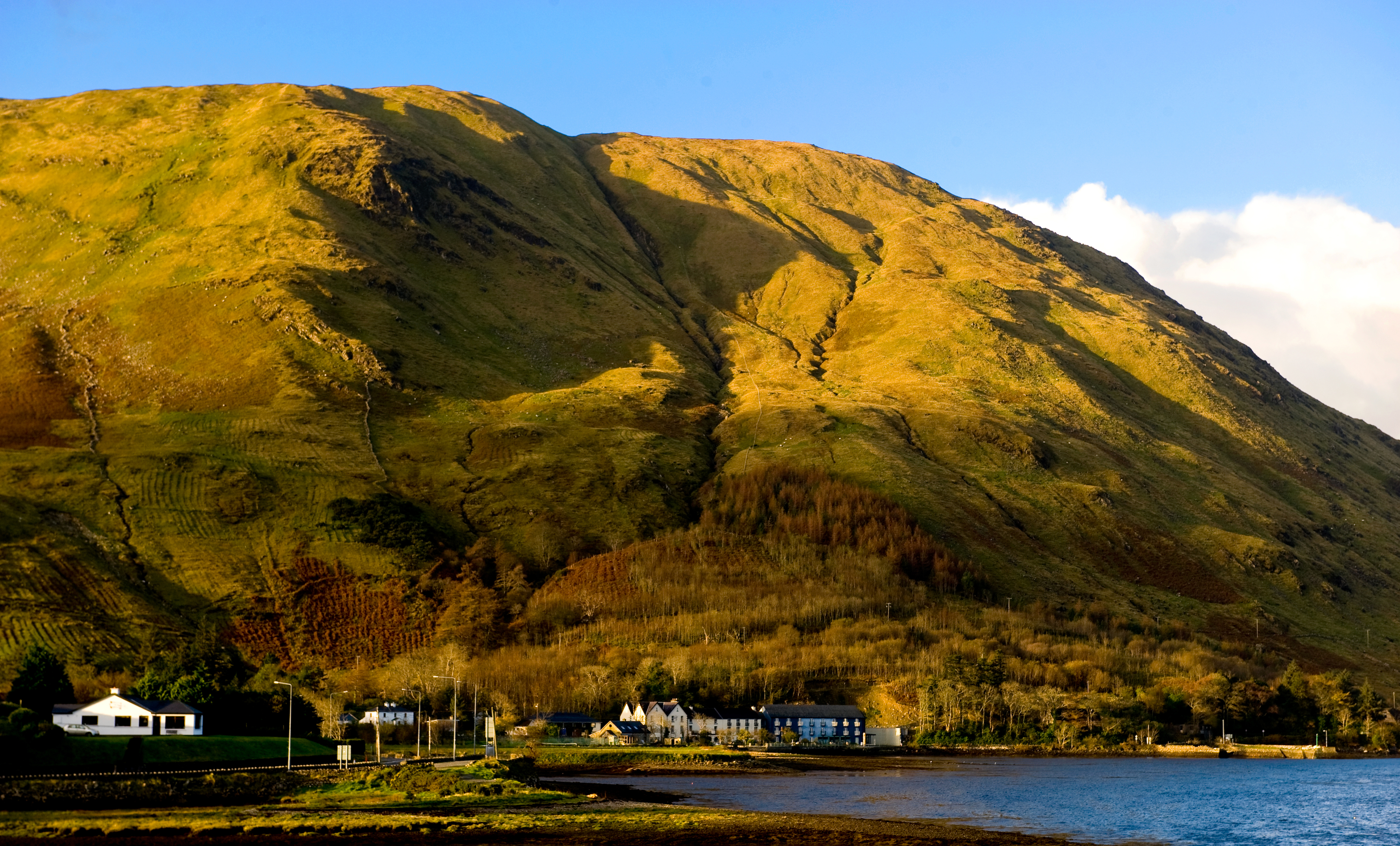
Afterwards you continue to Killary Harbour, a fjord-like bay between the mountains. Here you can taste oysters at a local farm that come straight from the cold Atlantic waters.
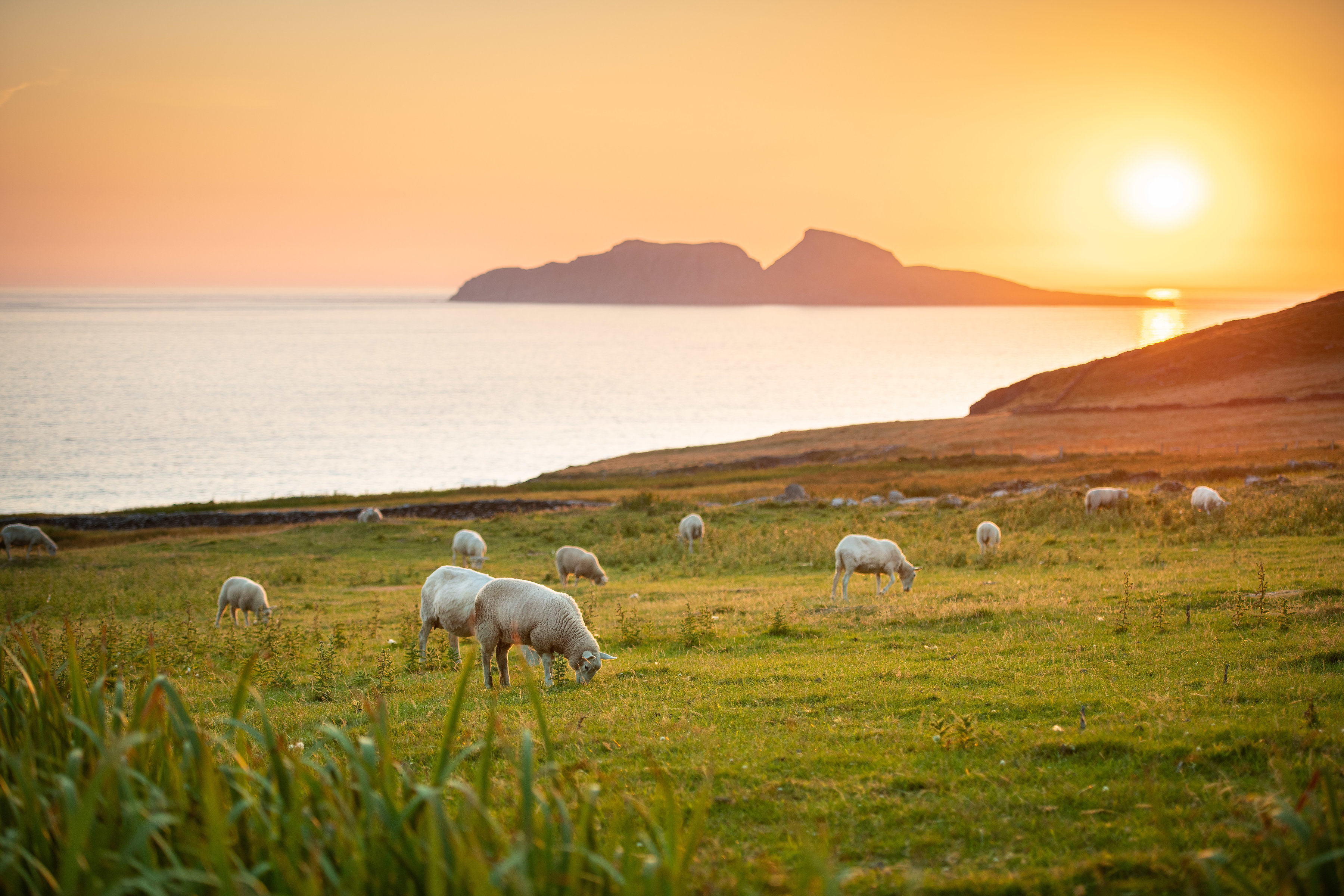
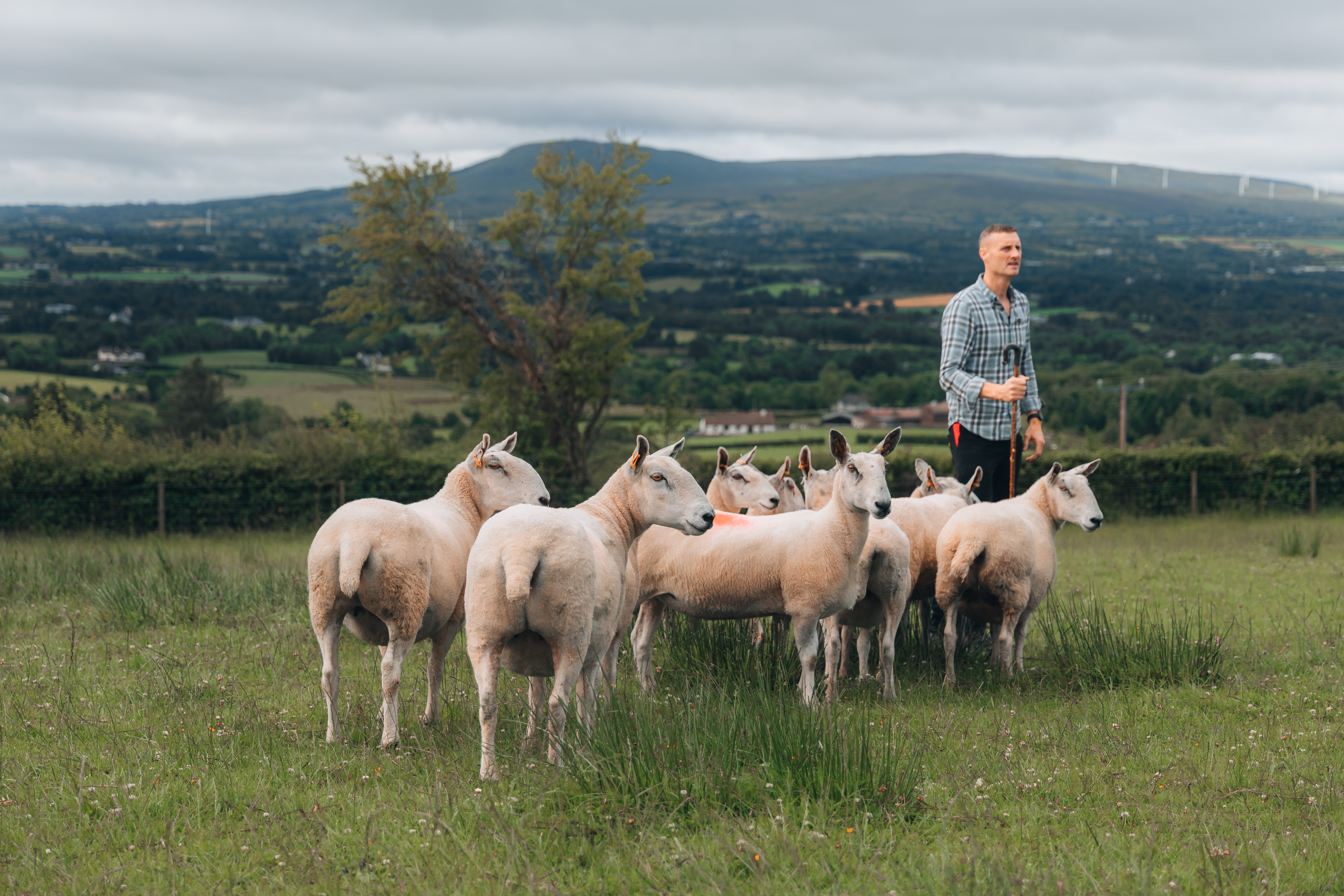
On the way back to your hotel you stop at a sheep farm, where a sheepdog demonstration shows how important sheep farming still is in this region. It gives you a clear view of everyday life in Connemara.
Day 9: Inishmore (Aran Islands)
Today you take a trip to Inishmore, the largest island of the Aran Islands. The ferry from Rossaveel brings you there in about forty minutes.
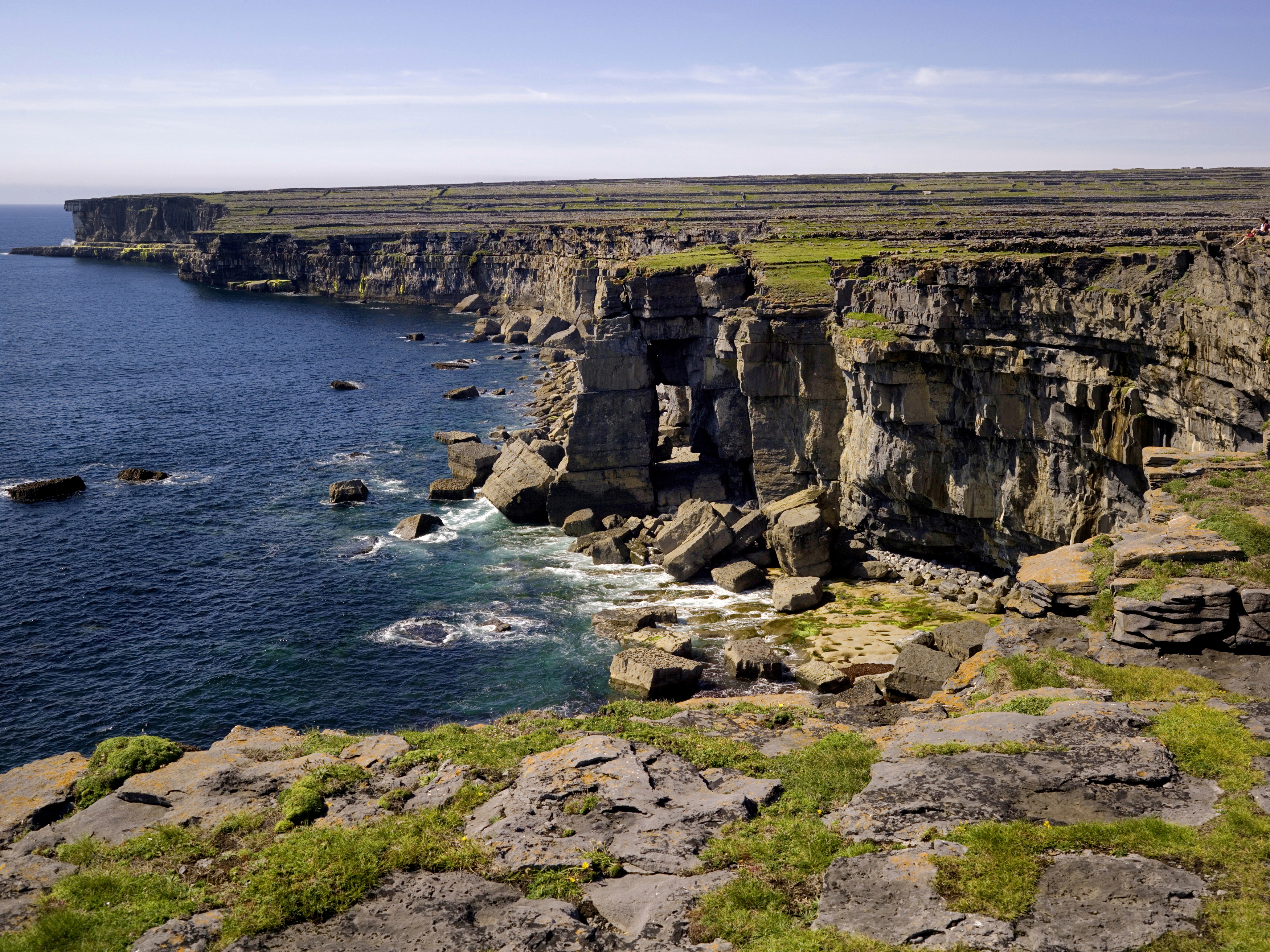
The island is best explored by bicycle or jeep. Along the way you see stone walls, small villages and rugged coastlines. One of the most famous sites is Dún Aonghasa, a prehistoric fort located on a cliff above the ocean. Not far from there lies the Wormhole, a natural rectangular rock pool that can be reached at low tide. On the island you still often hear Irish spoken as a daily language.
Day 10: Through the Midlands to Dublin
Today you drive back toward Dublin through the Irish Midlands. On the way you can stop at Clonmacnoise, an early medieval monastic complex along the River Shannon. The round towers and ruins give a good impression of religious life in Ireland centuries ago.
Another possible stop is Birr Castle, known for its large gardens and the historic telescope project from the nineteenth century. In the evening you arrive in Dublin.
Day 11: Dublin
Today you explore the Irish capital. Start at Trinity College, where the famous Book of Kells is kept. Afterwards you can walk through St. Stephen’s Green, a peaceful park in the centre of the city. A visit to the Guinness Storehouse is also part of many travellers’ Dublin experience. From the top floor you have a beautiful view over the city.
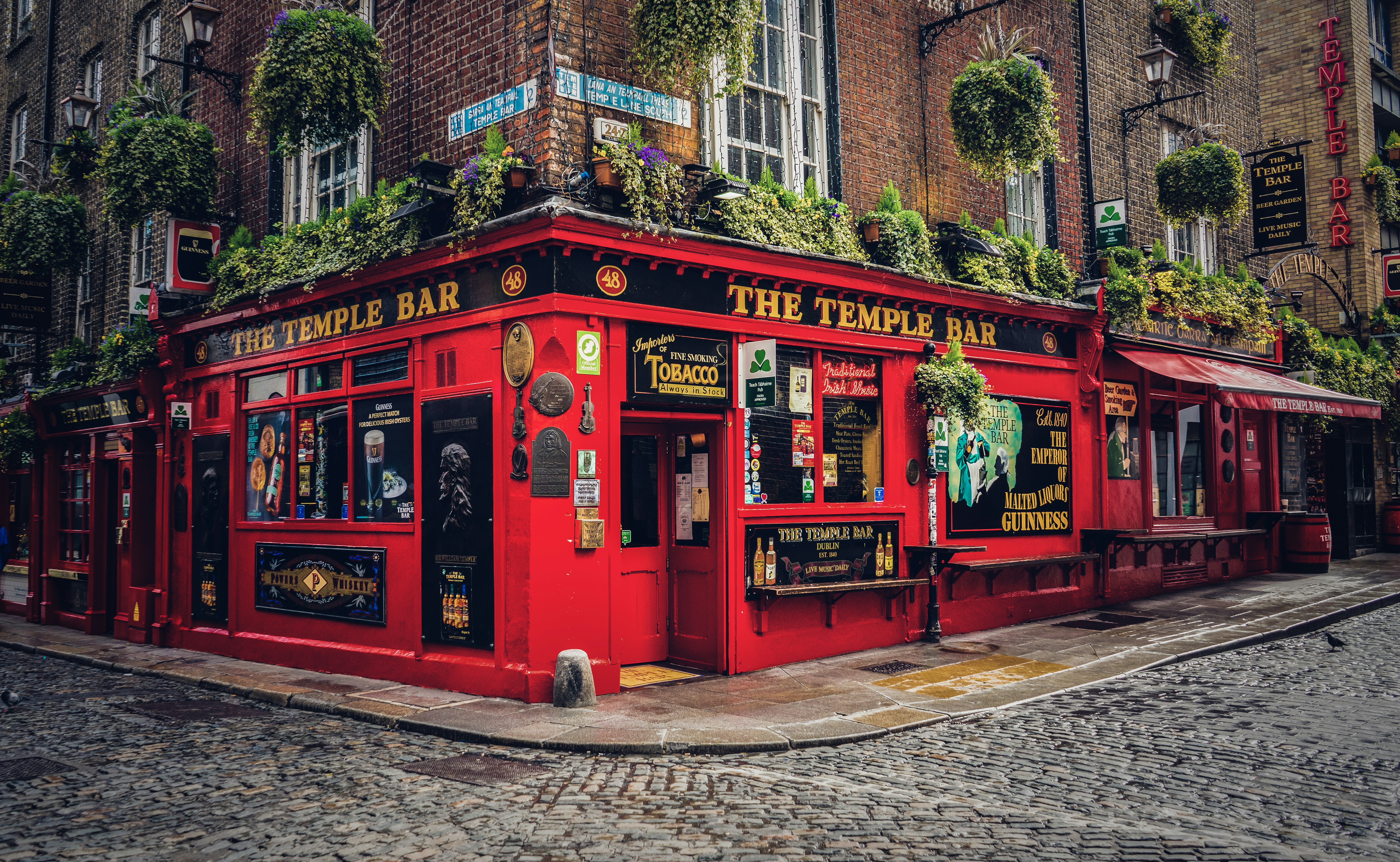
End the day in one of the many pubs where traditional live music is often played.
Day 12: Departure from Dublin
After breakfast you still have time for a final walk through the city. Perhaps along Grafton Street or through the renewed Docklands, before driving to the airport and returning your rental car. That is where your round trip through Ireland comes to an end.
What budget should you expect?
For this journey, you can expect a price starting from € 9,500 for two people. This includes flights, bed & breakfast, and a rental car. The exact price will depend on the period you travel, your final choices, and any optional extras.
Frequently asked questions about this Ireland round trip
Do you need a car for this round trip?
Yes. Many natural areas, coastal routes and villages are located outside the cities. With a rental car you can follow the route flexibly and stop wherever you like along the way.
What is the best time to travel for this round trip?
The most pleasant period runs from May to September. During these months the days are long and the temperatures are ideal for exploring the coast and natural areas.
Are the driving distances long during this trip?
Most drives take between one and three hours. Only the routes along the west coast may feel longer because of winding roads and many viewpoints.
Is this round trip suitable as a first introduction to Ireland?
Yes. The route combines many of Ireland’s best-known regions: the Wicklow Mountains, the south coast, Kerry, the Cliffs of Moher, Connemara and Dublin. This gives a good overview of the country’s landscapes and culture.
Why book with Caractère?
- Best price guarantee
- Caractère extras
- Just one phone call or email away from our enthusiastic travel experts
- Pay safely
- No extra or hidden fees