Route
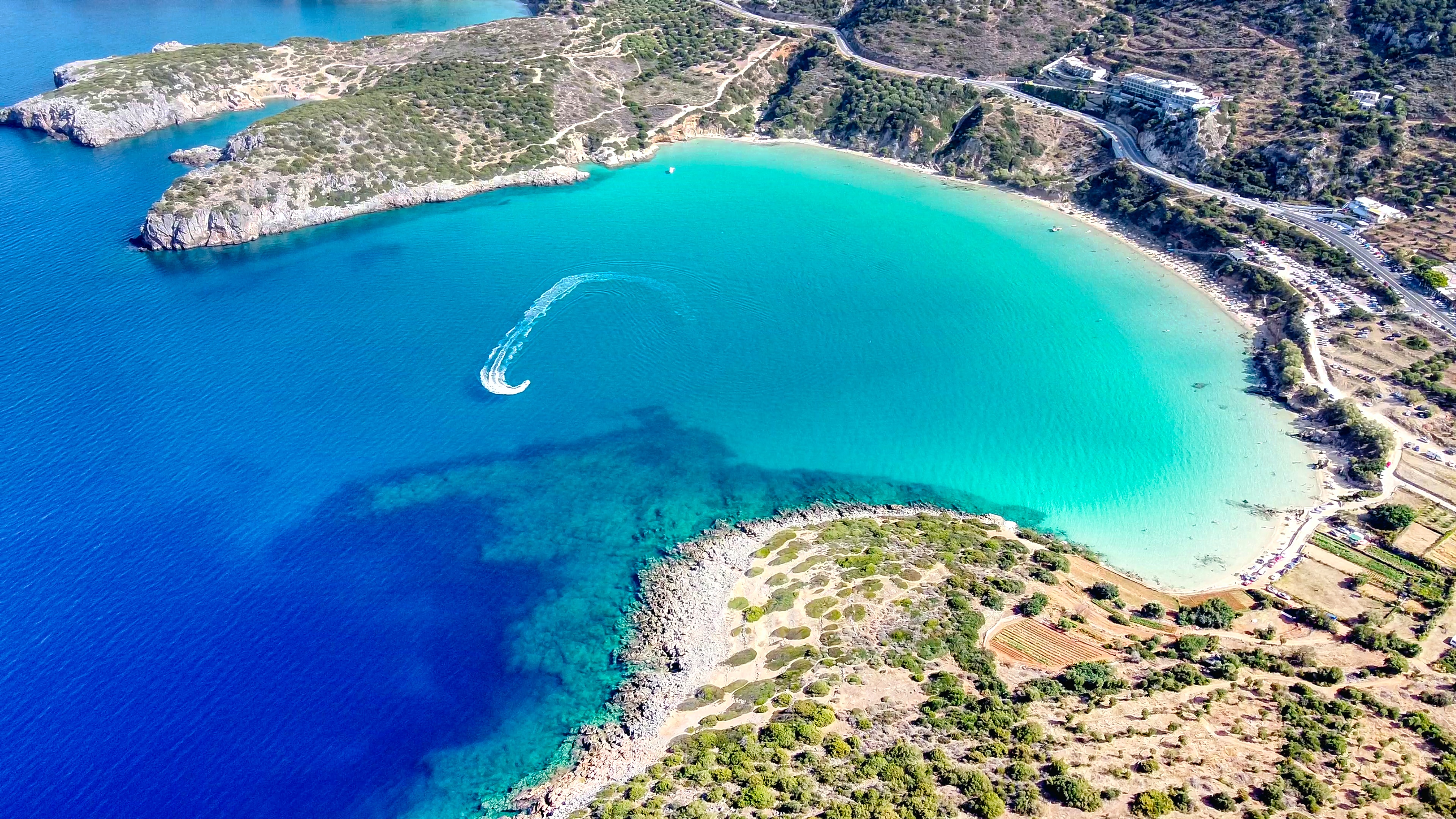
You travel through Crete, passing mythical sites, mountain villages and sunlit coastlines.
Pace
The days are well balanced. Active outings and cultural visits alternate with sea time, sunshine and long, leisurely meals.
Highlights
Knossos and the Cave of Zeus, artisan villages such as Kritsa and Thrapsano, the Venetian towns of Rethymno and Chania, and the impressive Samaria or Imbros Gorge. Elafonissi Beach provides a pastel-blue finale.
Accommodation
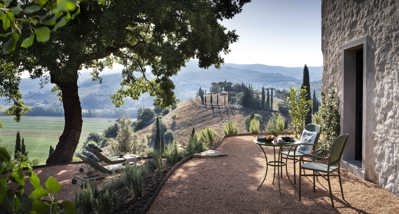
You stay at carefully selected addresses across the island, comfortable and full of character.
Profile
For travellers who want to experience Crete as it truly is: rich in stories, landscapes and flavours.
Day 1: Flight Brussels – Heraklion
After your flight to Heraklion, collect your hire car and drive to your hotel. Take some time to relax and soak up your first impressions of the island, or simply unwind by the pool.
Day 2: The leper colony and the sunken city
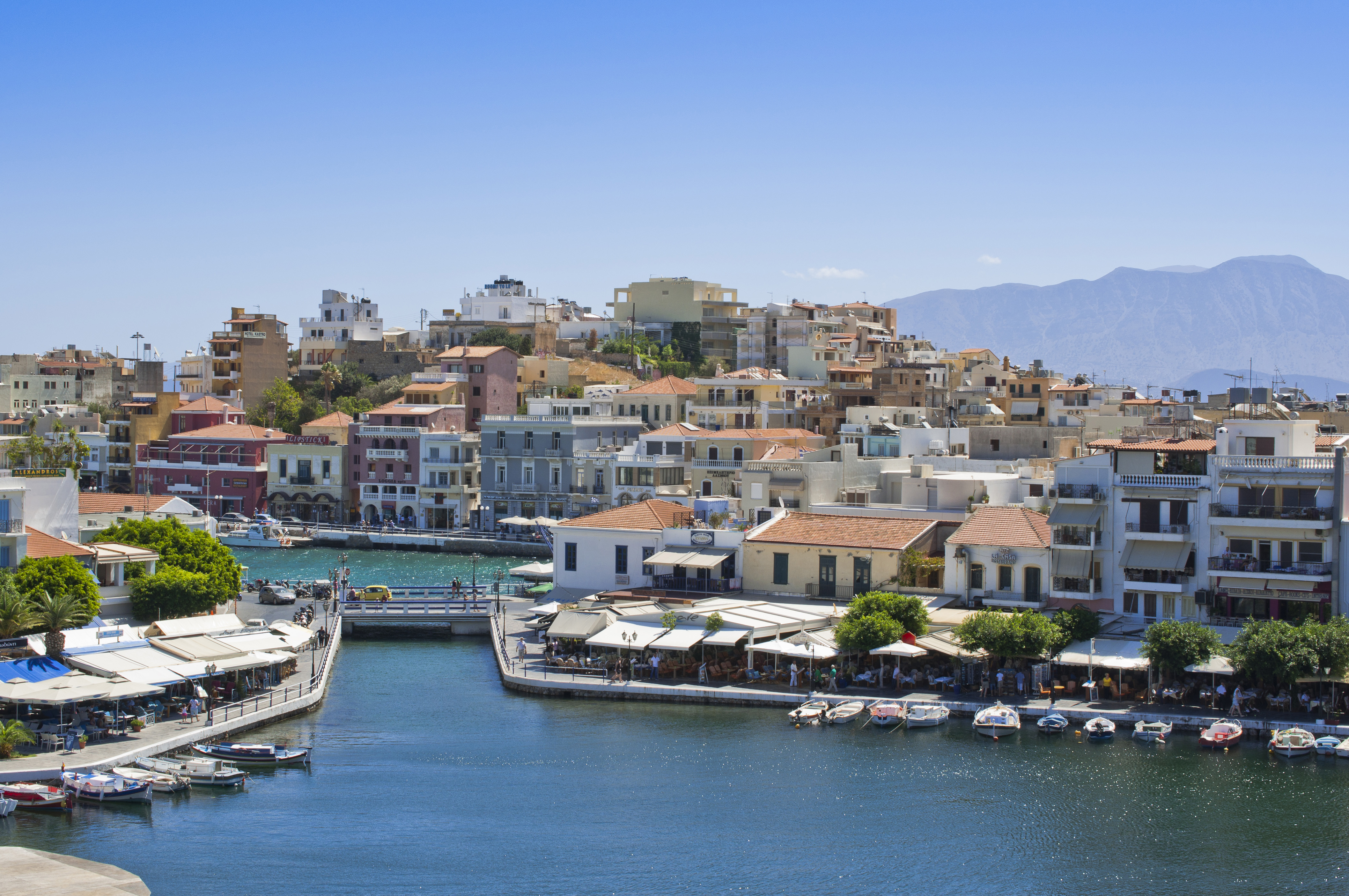
Agios Nikólaos, situated on Mirabéllou Bay, is one of Crete’s most charming coastal towns. Despite its popularity, the atmosphere remains friendly, with cosy terraces, small boutiques and lively squares. Not far away lies Eloúnda, where the ancient city-state of Oloús once stood — today, the sunken city lies beneath the water’s surface, just off the coast. Here, you can literally swim amongst the ruins of antiquity. From the fishing village of Pláka, boats depart for the island of Spinalonga, once a leper colony and today a fascinating place full of stories from a turbulent past (sailing time approx. 10 mins).
Day 3: Kings and palaces
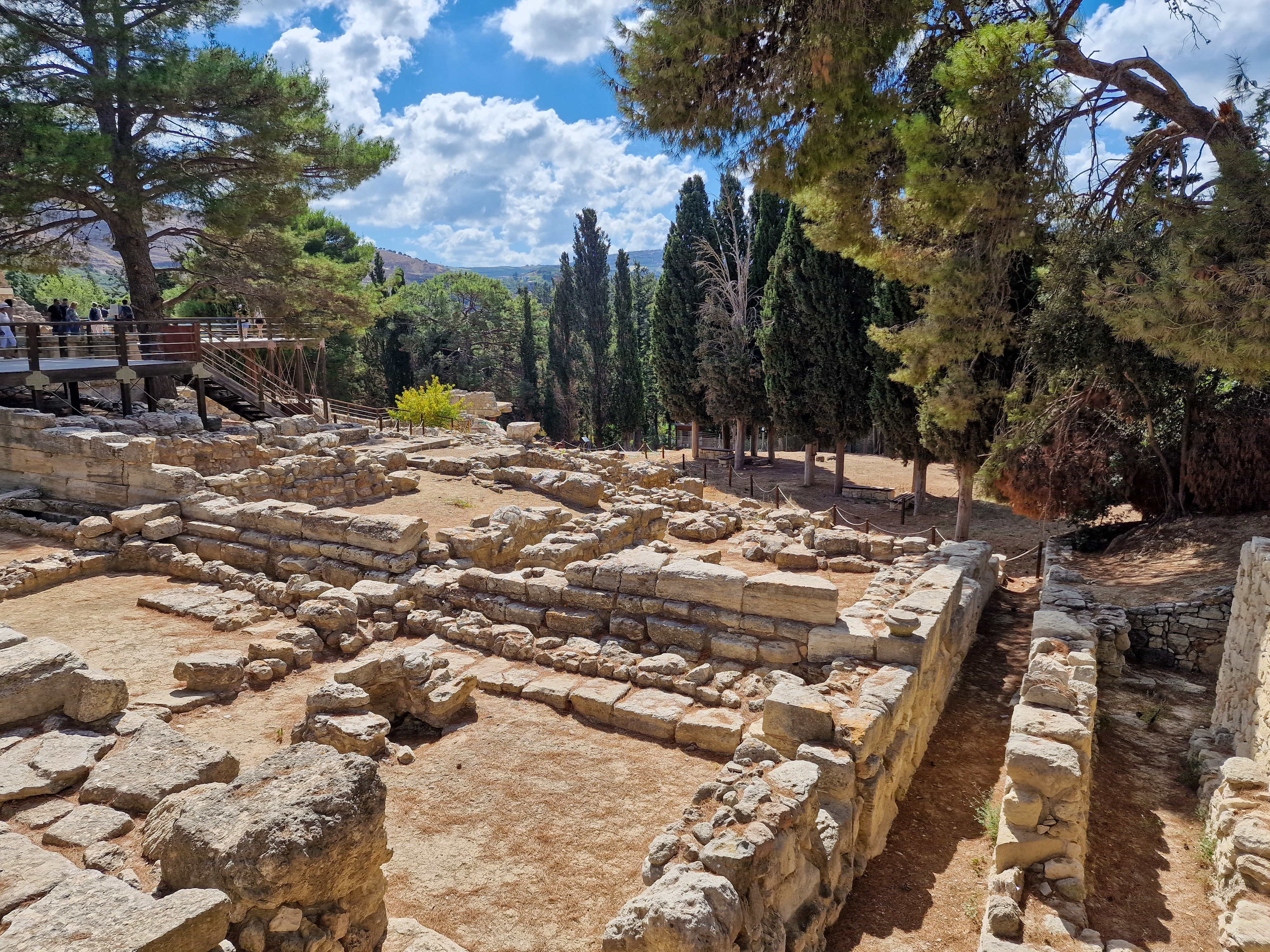
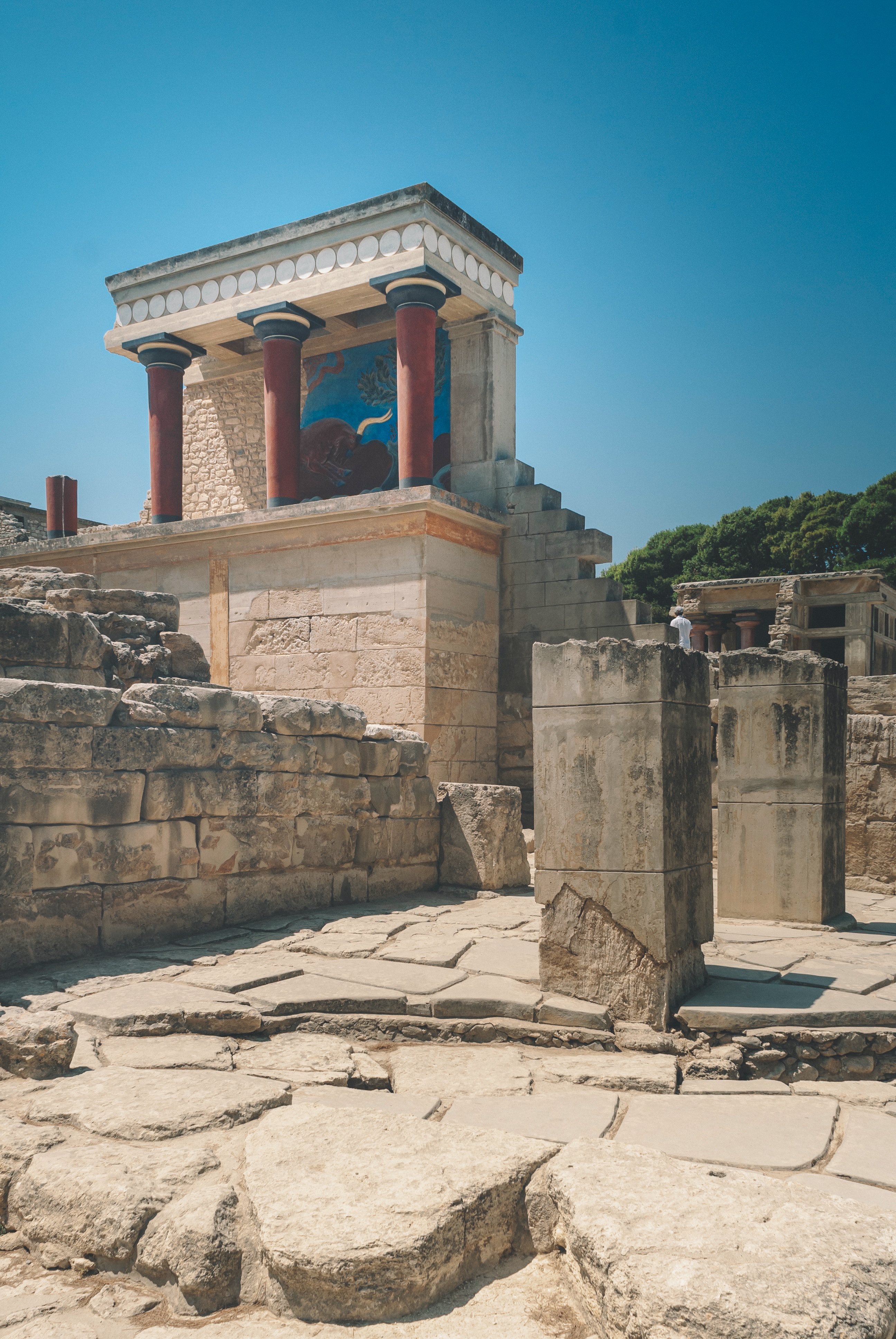
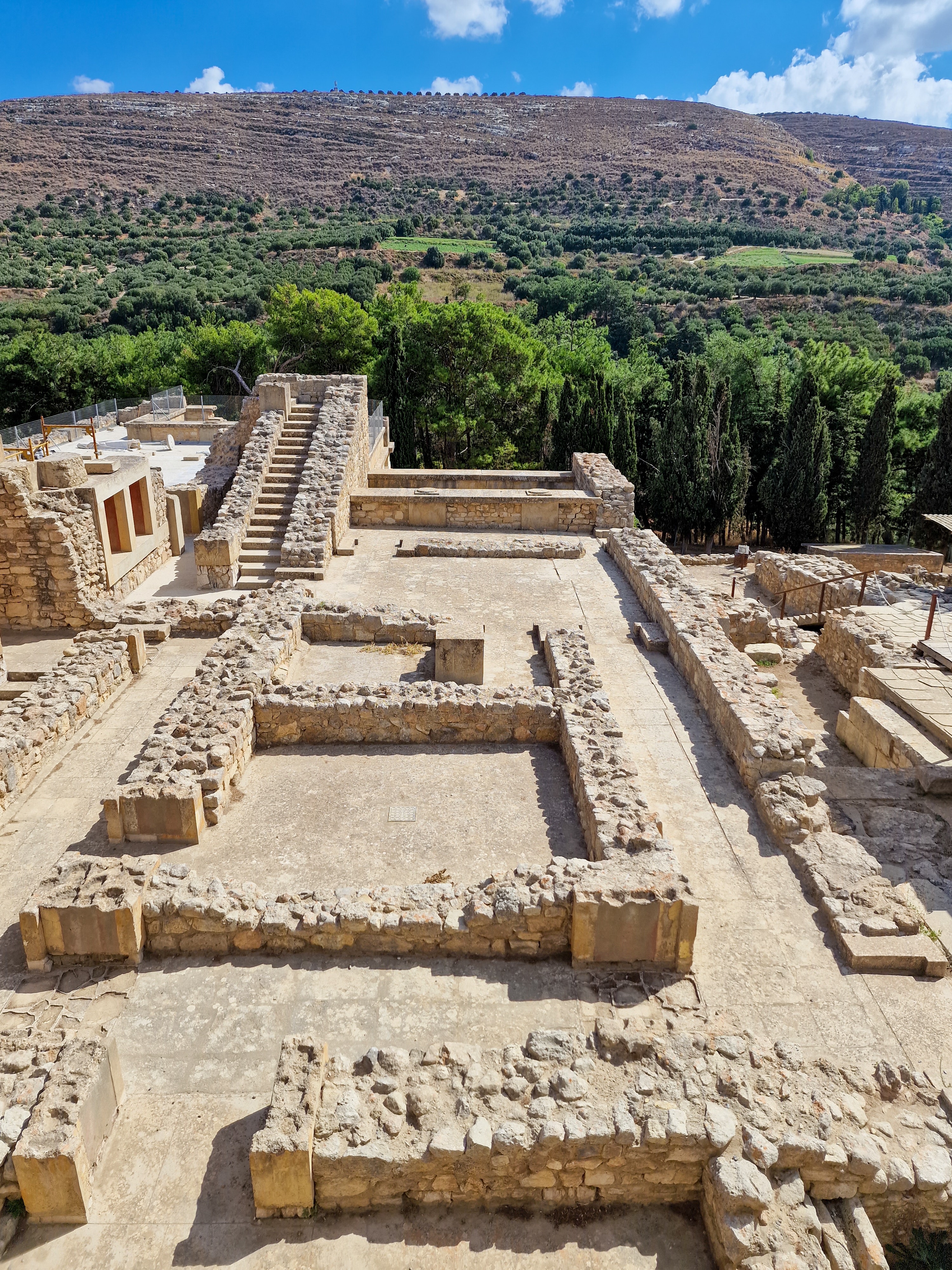
Today you’ll delve into the myths of ancient Crete. In Knossos, you’ll stroll through the legendary palace of King Minos, where, according to legend, the Minotaur roamed the labyrinth. Afterwards, you’ll visit Heraklion, a city where Venetian grandeur and Eastern influences converge in lively streets and atmospheric markets.
Day 4: Kritsa & Thrapsano
Time for authentic Crete. In the mountain village of Kritsa, you’ll admire fine craftsmanship and embroidery that has been passed down through generations. A little further on lies Thrapsano, known for its potters and centuries-old ceramic tradition. Here you’ll find no mass-produced goods, but genuine craftsmanship. Round off your day with a workshop with a local artisan, a unique souvenir of this creative island.
Day 5: The Dikteon Cave and the Lassithi Plain
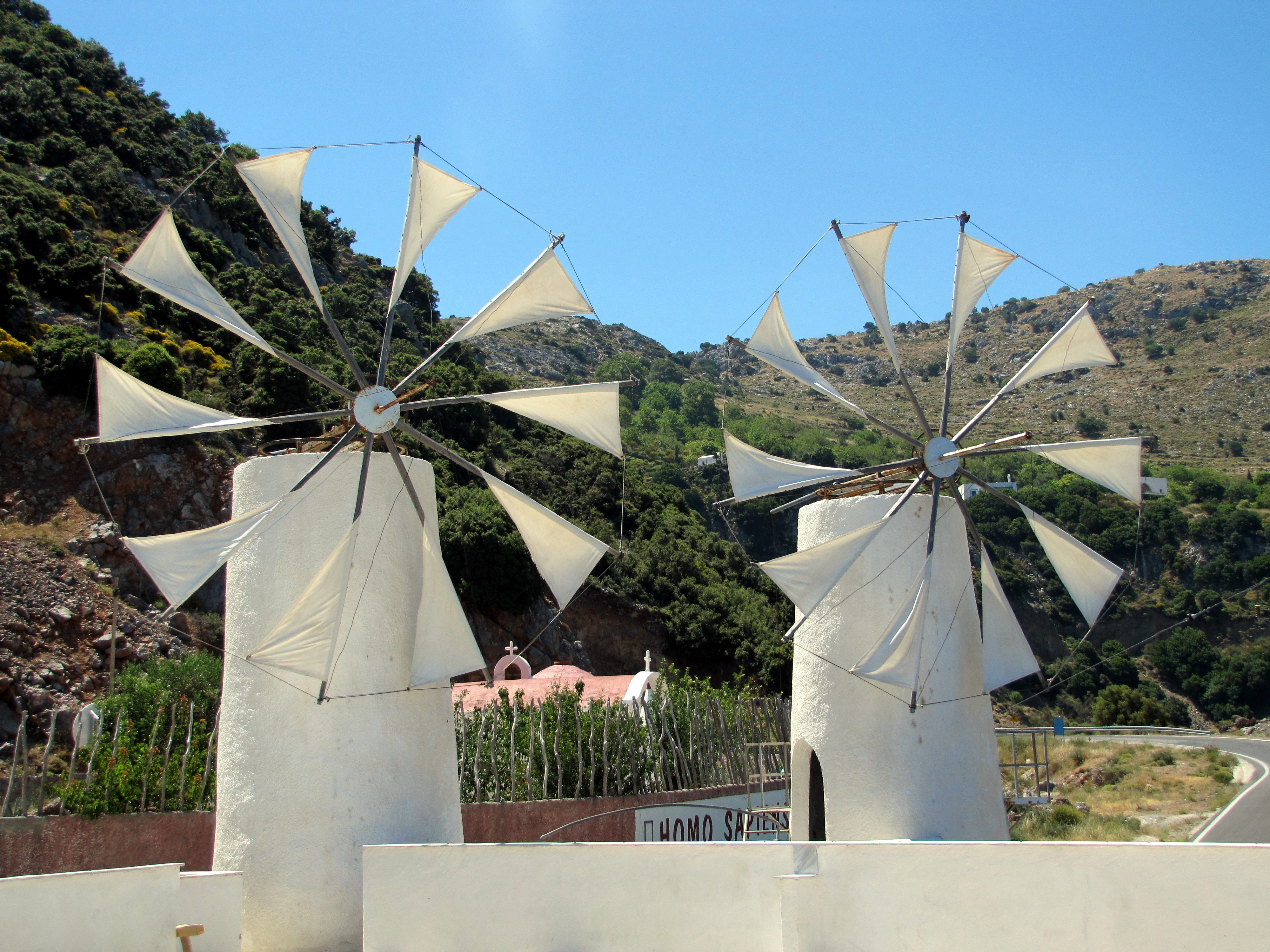
On the edge of the vast Lassithi Plain, near Psychro, lies the birthplace of the supreme god Zeus, according to Greek mythology. The climb to the Dikteon Cave is a short effort rewarded with breathtaking views over the plain. Inside, you walk through ancient stalactites and stalagmites that were once considered sacred. In the surrounding villages, you can experience the tranquil rhythm of the Cretan countryside, with its whitewashed houses and the iconic windmills that once pumped water for irrigation.
Day 6: Rethymnon and Chania
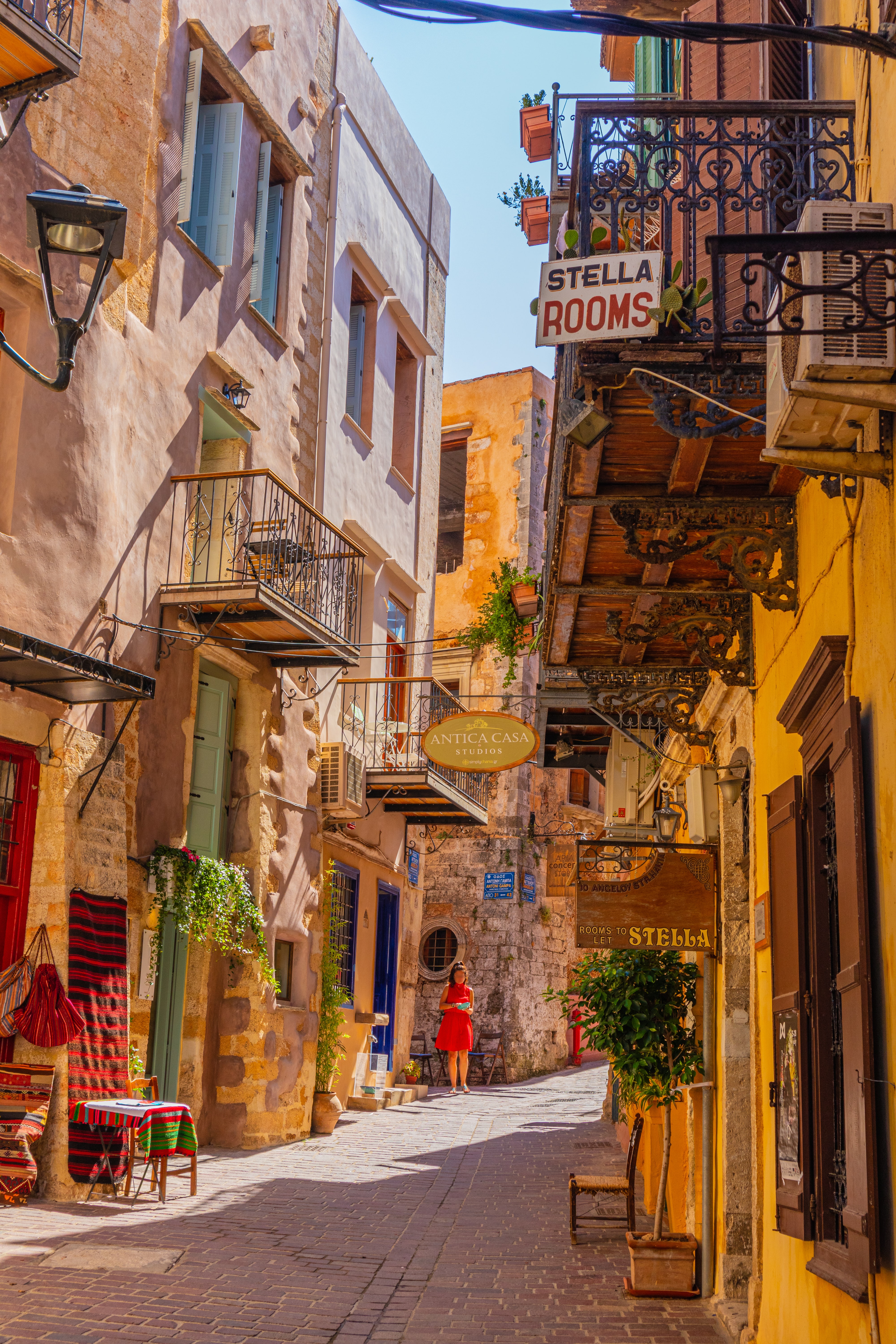
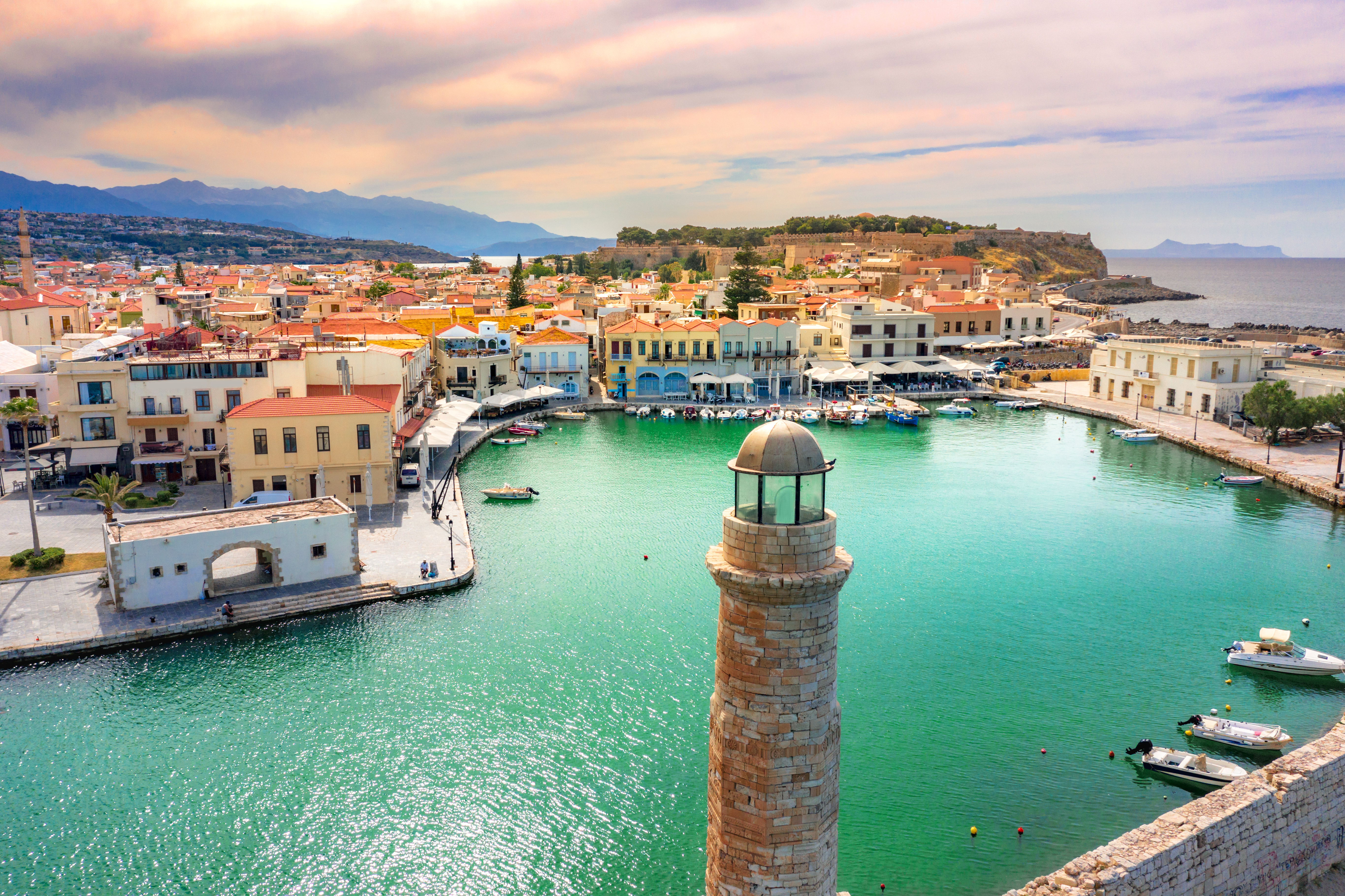
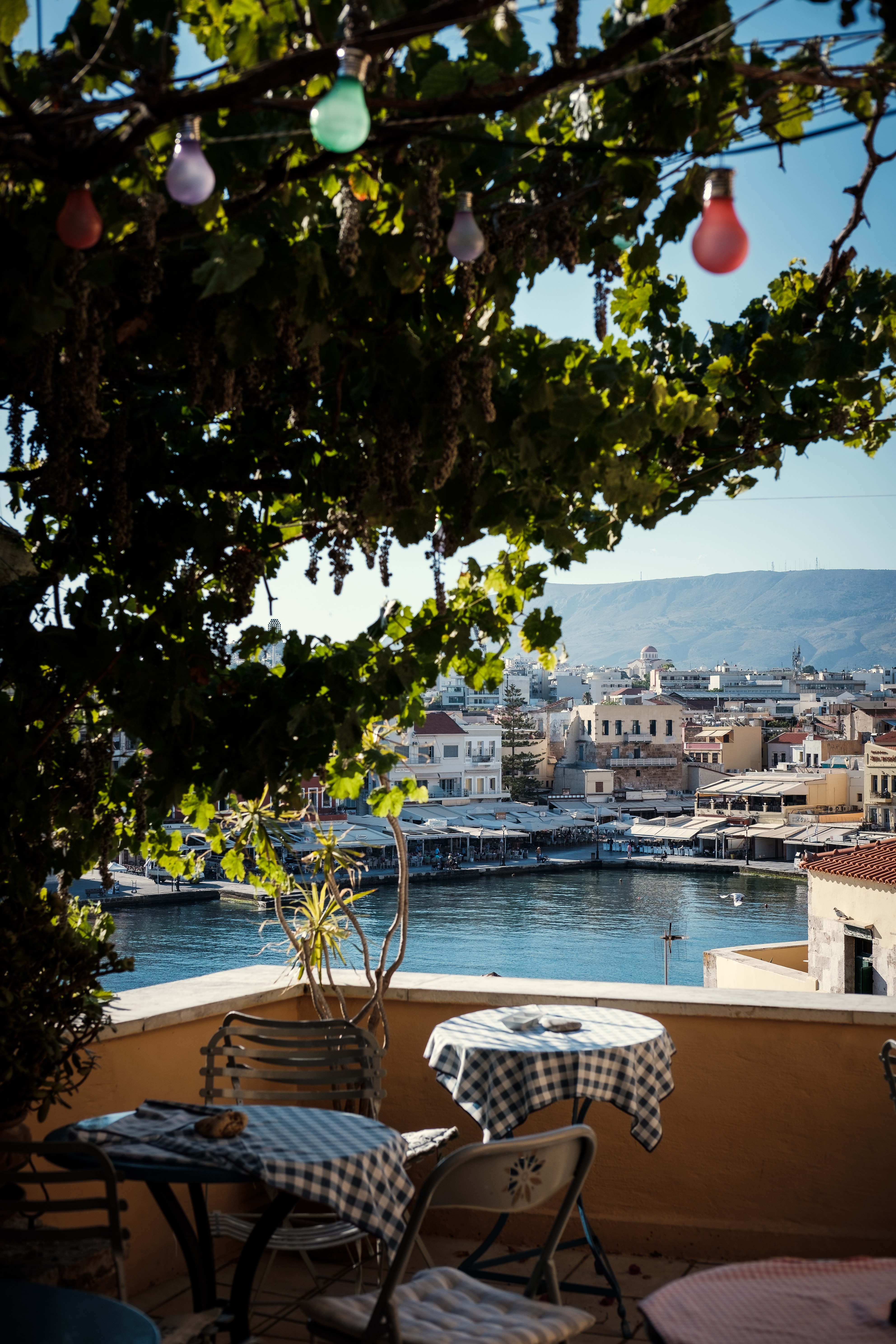
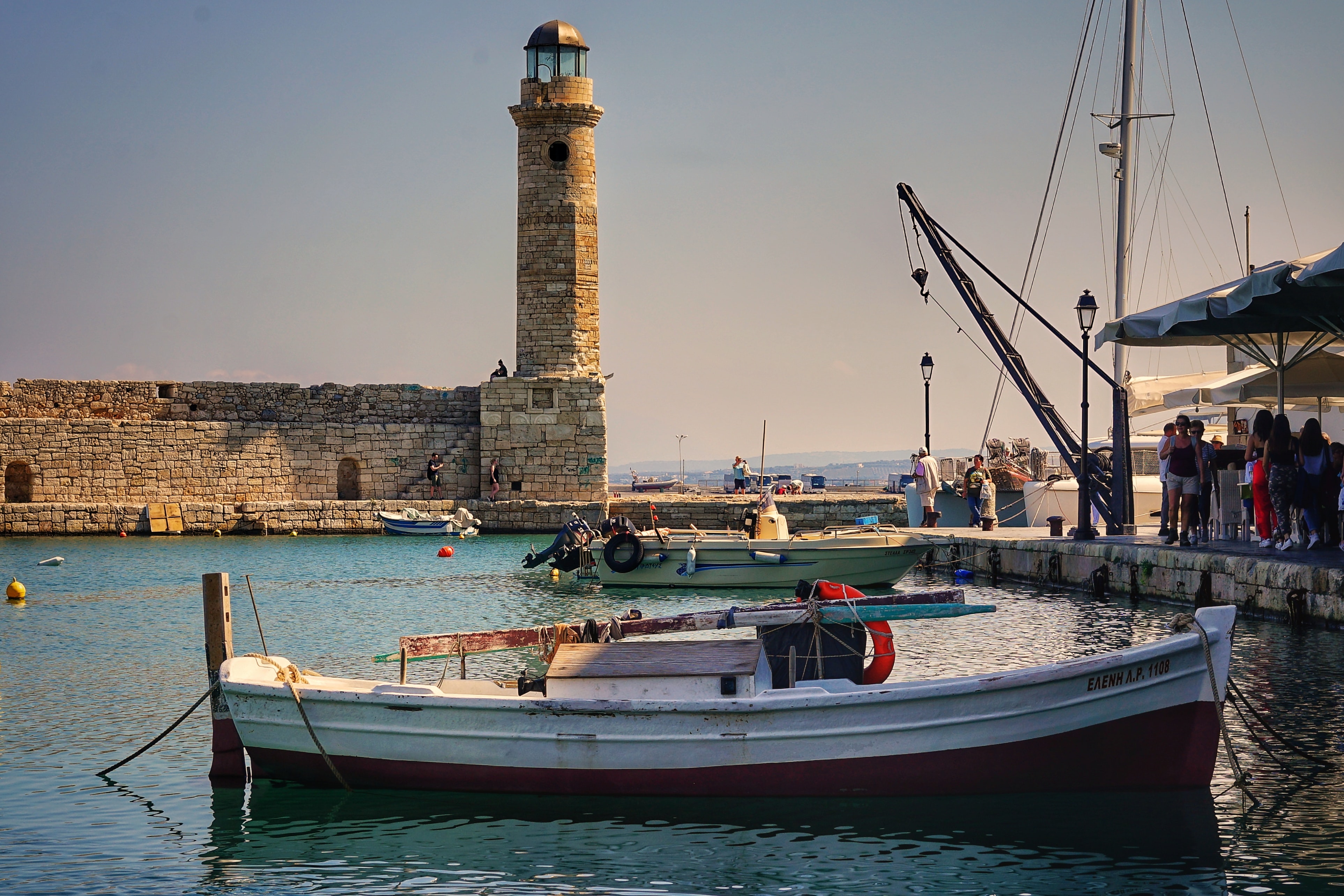
Today you’ll discover the most charming towns of western Crete. Rethymnon and Chania still exude the atmosphere of their Venetian past. Wander through narrow, arched streets, discover hidden courtyards and admire the blend of Greek, Venetian and Ottoman influences.
Visit the Fortezza fortress in Rethymnon or Firka in Chania, then enjoy a glass of wine on a terrace in the harbour, where colourful facades are reflected in the water.
Day 7: The Samaria Gorge or the Imbros Gorge
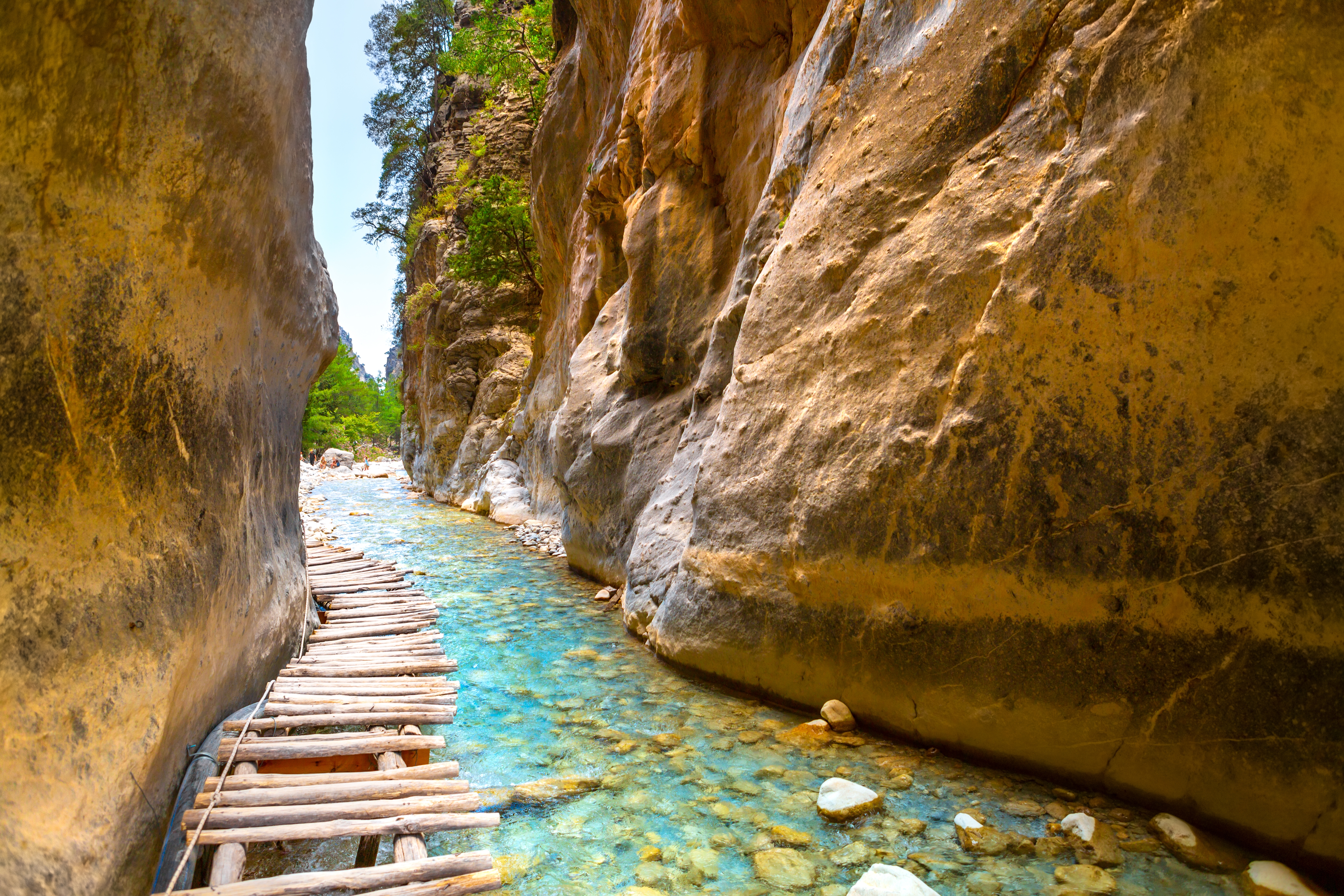
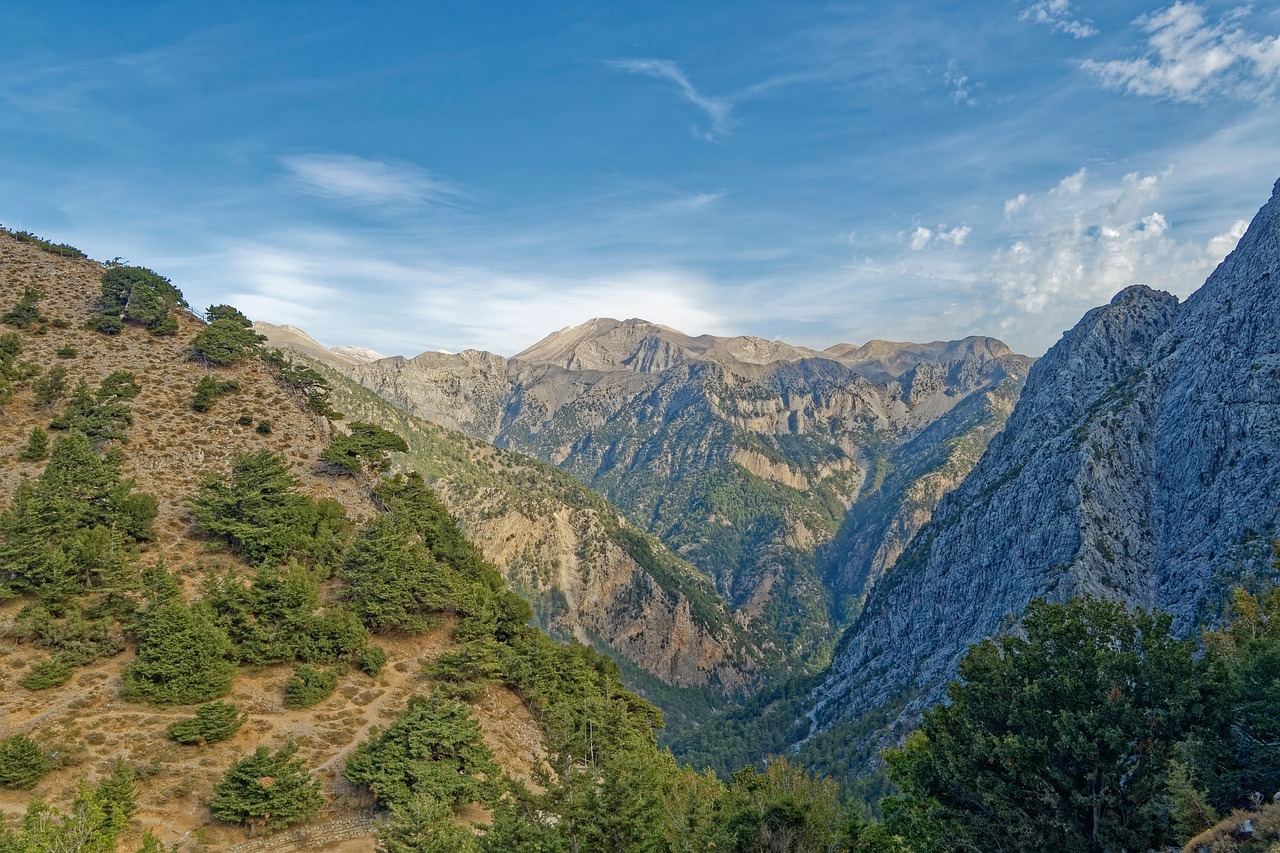
The Samaria Gorge, the longest gorge in Europe, is on many people’s list of things to see in Crete. The hike is spectacular but demanding: five to seven hours’ walk through rugged mountain terrain. Those who prefer a more leisurely pace should opt for the Imbros Gorge. Just as impressive, but far more accessible. From the village of the same name, you’ll walk past steep cliffs, fragrant herbs and impressive rock formations – a natural experience that’s just as unforgettable.
Day 8: Elafonissi Beach
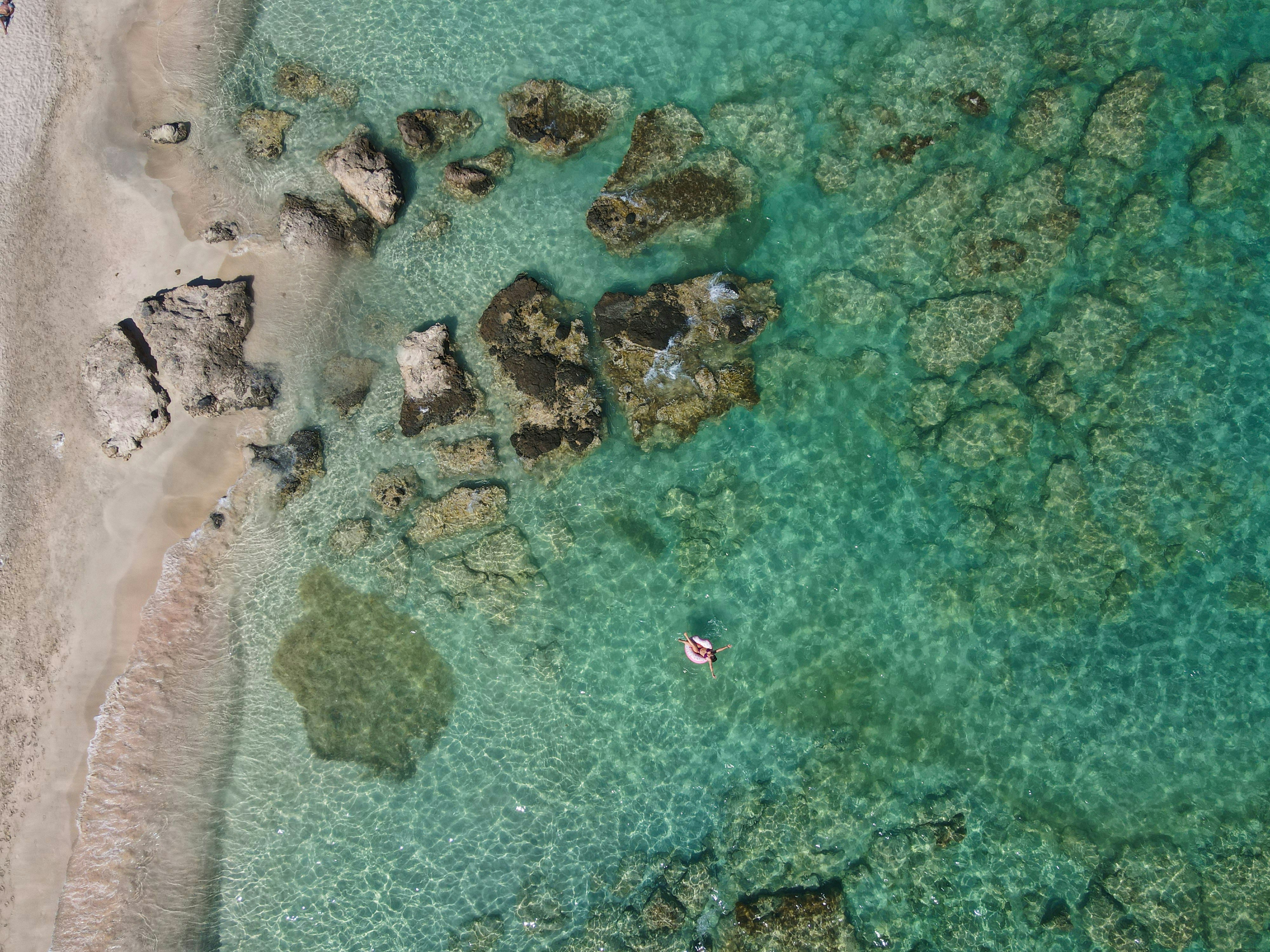
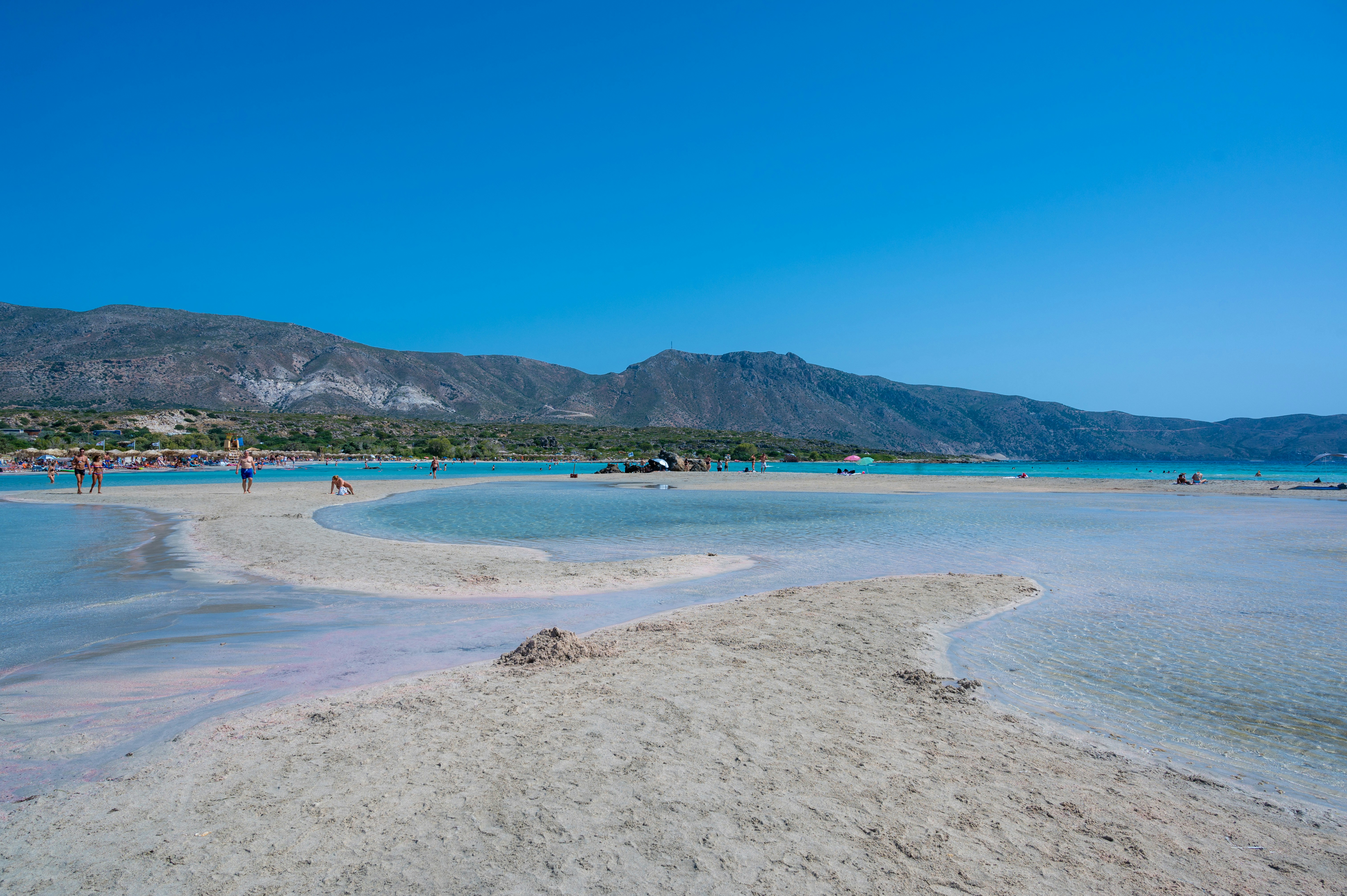
Today is all about pure relaxation, in the south-west of Crete where some of the island’s most photogenic spots await. Perched high on the cliffs stands the white monastery of Chryssoskalítissa, with its famous ‘golden staircase’ and views over the sea. Then head down to Elafonissi, famous for its turquoise waters and soft pink sand, which gets its colour from pulverised shells and coral. On sunny days, the lagoon almost seems to glow in pastel colours, a magical scene that will stay with you for a long time. End the day on the beaches of Paleochóra, where the water sparkles in every shade of blue.
Day 9: The south-west
Nestled amongst the rugged hills of the south-west lies the peaceful village of Kándanos, a place with a turbulent history. During the Second World War, the village priest lured 39 German soldiers into an ambush, after which the occupiers took revenge by completely destroying the village on 3 June 1941. Today, memorial stones and rebuilt houses bear witness to the resilience of the local people, a silent reminder of the strength and pride of the Cretans.
Day 10: Return home
After a final breakfast, it is time to say goodbye to Crete. Take a moment to enjoy the view before heading to Heraklion for your return flight. You will take home not only the sun and sea, but also the feeling of an island that has shared its stories, traditions and warmth with you.
What should you expect in terms of budget?
For this tour, you can expect a guide price starting from €8,000 for two people. This price includes international flights, car hire and accommodation on a bed and breakfast basis, and depends on your travel dates, hotel choices and any extras such as excursions or extensions.
Frequently asked questions about this Crete tour
When is the best time to travel for this tour?
Choose May, June or September. The temperatures are ideal for the hike through the Samaria Gorge and visits to Knossos. In July and August, the heat can rise above 30°C, making active excursions more challenging.
Is a hire car necessary for this route?
Yes, a hire car is essential for travelling from the east coast to the rugged south-west. It gives you the freedom to visit authentic mountain villages such as Kritsa and Thrapsano, which are difficult to reach by public transport.
How challenging are the hikes through the gorges?
The Samaria Gorge is a strenuous 16 km (5–7 hours) trek over rocky terrain; a good level of fitness is required. The Imbros Gorge is a shorter (8 km, 2–3 hours) and more accessible alternative that also offers impressive panoramic views.
Why book with Caractère?
- Best price guarantee
- Caractère extras
- Just one phone call or email away from our enthusiastic travel experts
- Pay safely
- No extra or hidden fees