Route
You drive from Belfast along the Causeway Coast to County Donegal and finish in Derry. Along the way, you follow coastal roads and a stretch of the Wild Atlantic Way.
Pace
A varied trip, with two cities and plenty of time in the countryside and on the coast in between.
Highlights
Titanic Belfast, the Giant’s Causeway, the Carrick-a-Rede rope bridge, the Dark Hedges and the Slieve League cliffs.
Accommodation
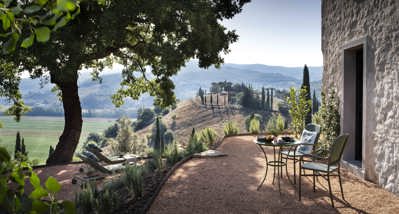
Small hotels and guesthouses, well located and usually within walking distance of a pub.
Profile
For those who love rugged coastlines and a good story, and want to get to know Ireland beyond the usual route through the south.
Day 1: Arrival in Dublin & drive to Belfast
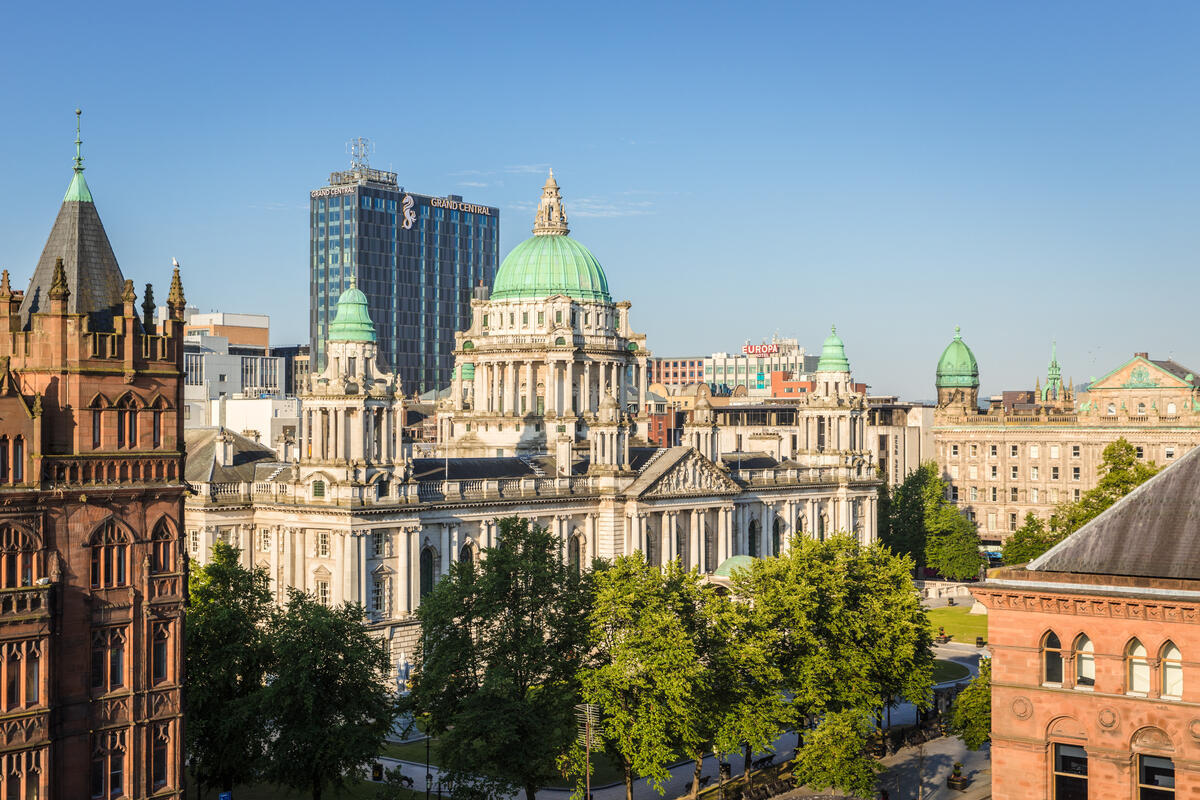
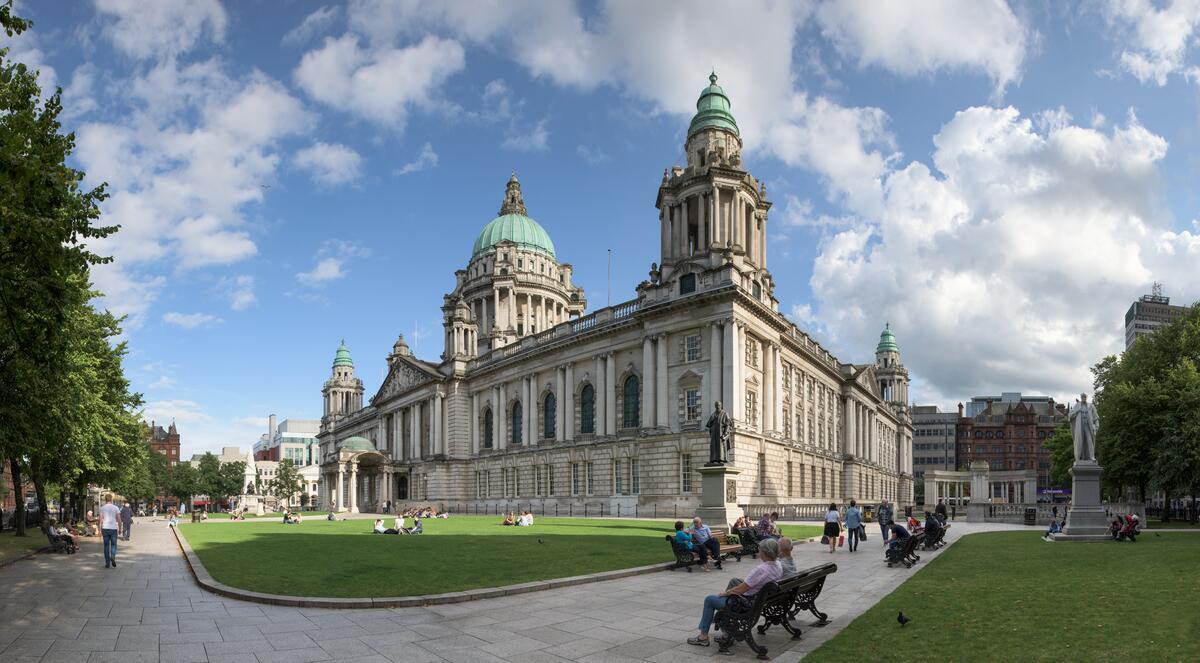
You land in Dublin, pick up your rental car and drive to Belfast in just under two hours. After checking in, you have the rest of the day to explore the city at your own pace, for example around City Hall and the Cathedral Quarter, with its pubs and restaurants.
Day 2: Discovering Belfast
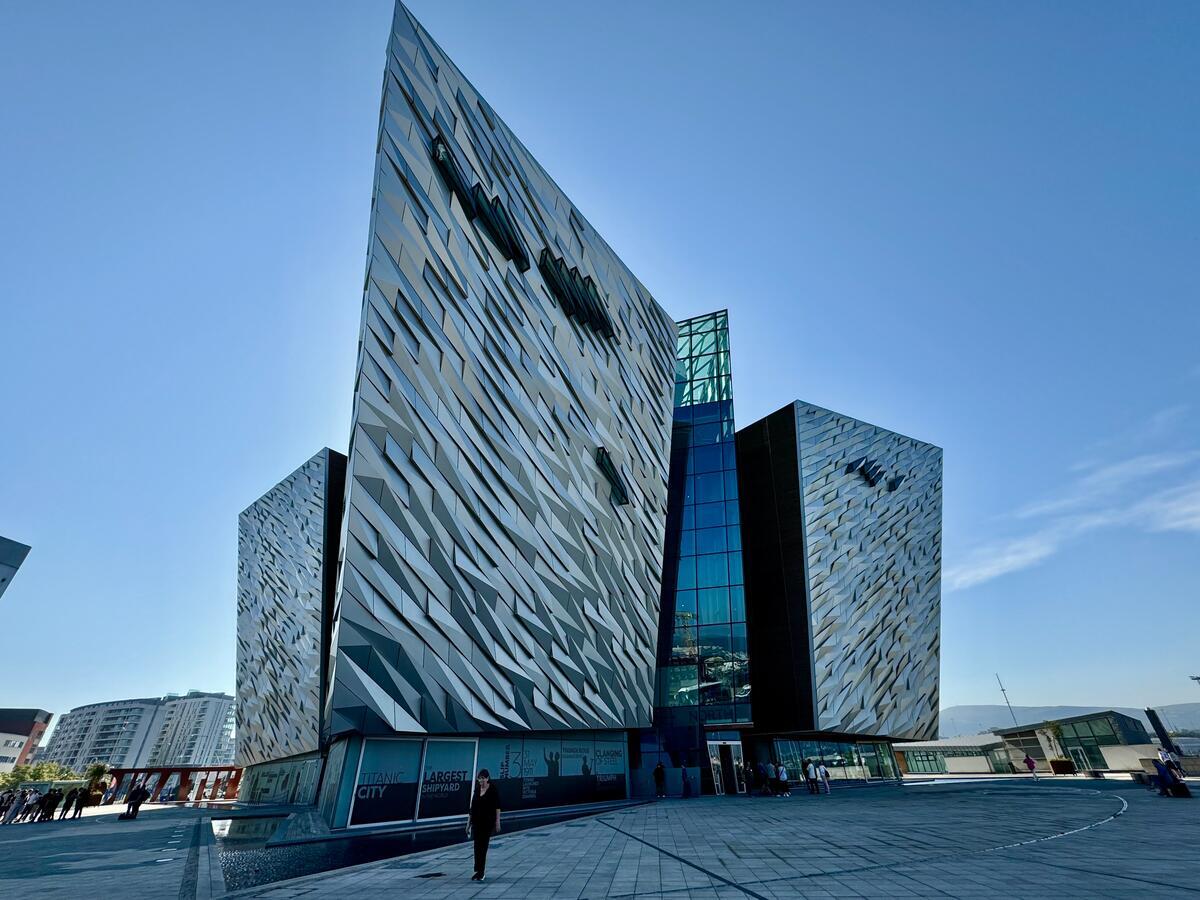
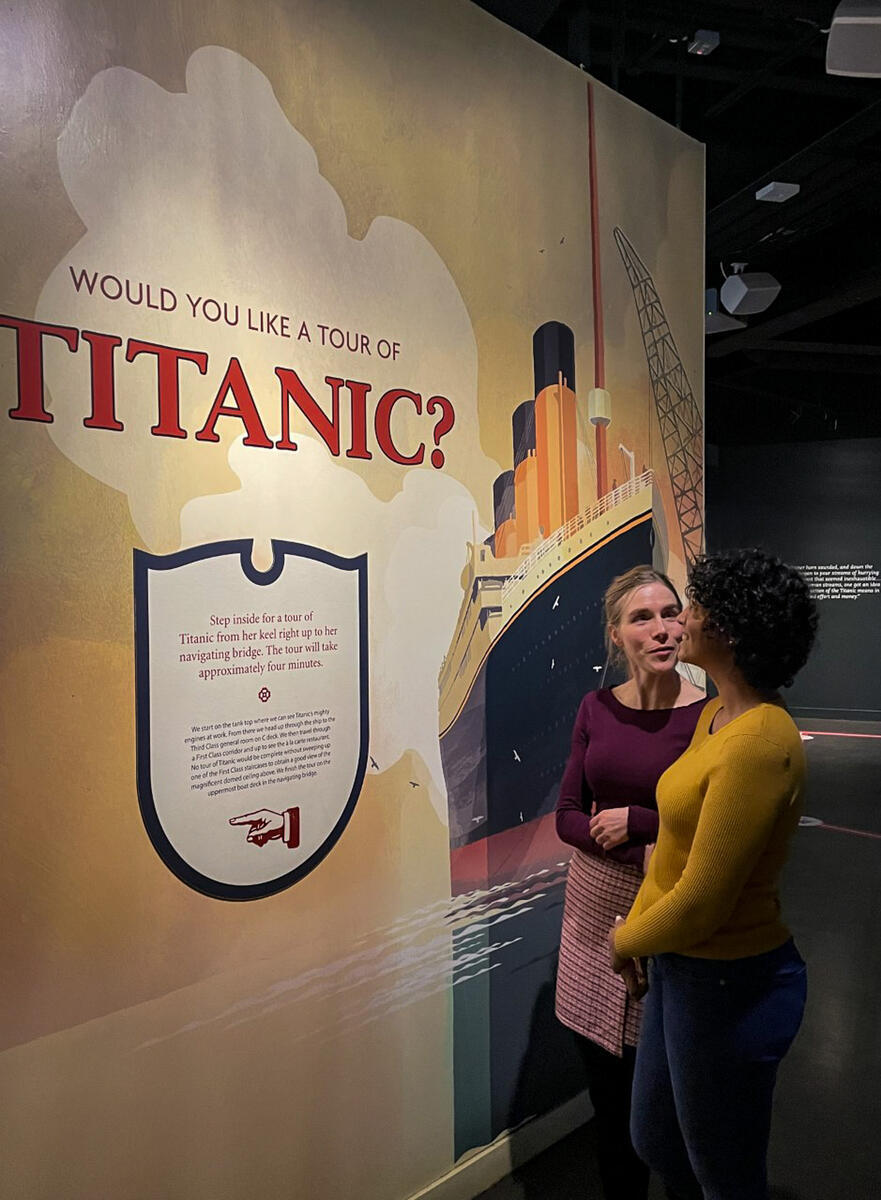
In the morning, you visit Titanic Belfast, the museum on the shipyard where the Titanic was designed and built. Nine galleries tell the story of the ship, from its construction to its sinking, and you stand on the slipway where it was launched in 1911.
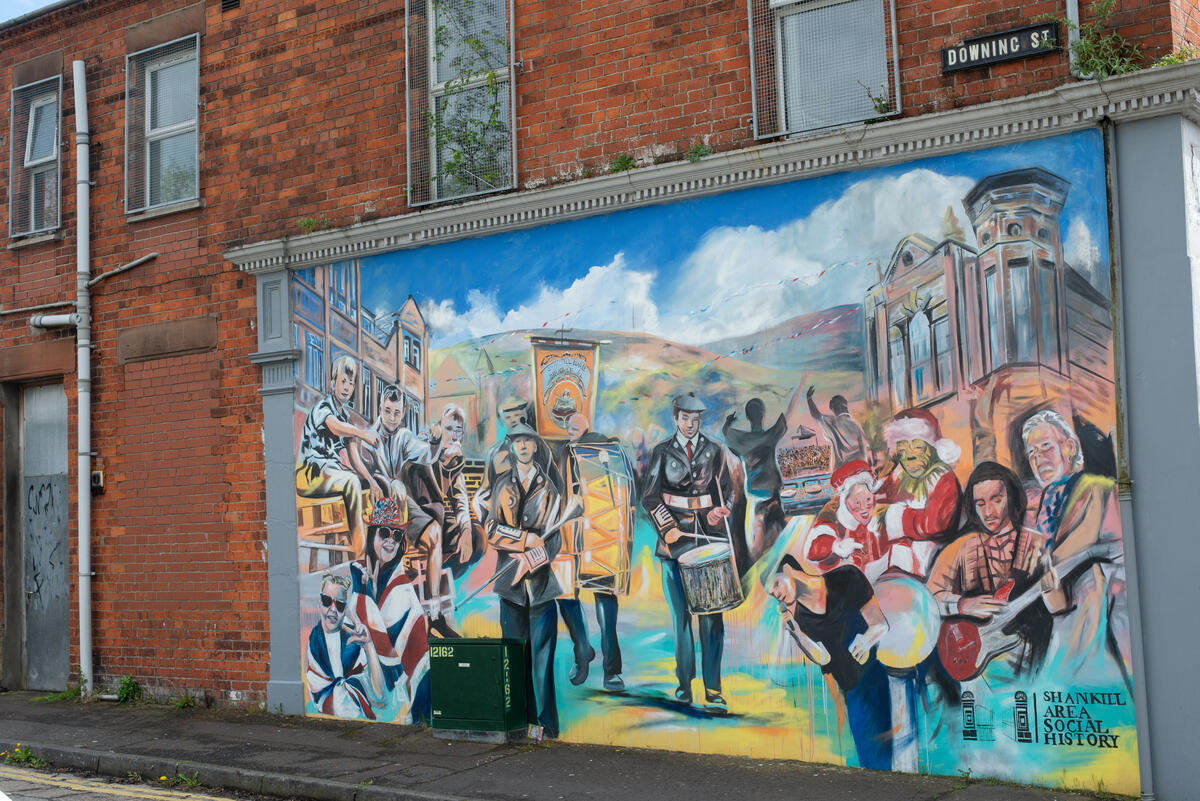
In the afternoon, you take a Black Cab Tour. A local driver takes you past the murals and Peace Walls in the neighbourhoods hit hardest during the Troubles, and explains how the city has changed since.
Day 3: The countryside and cider from Armagh
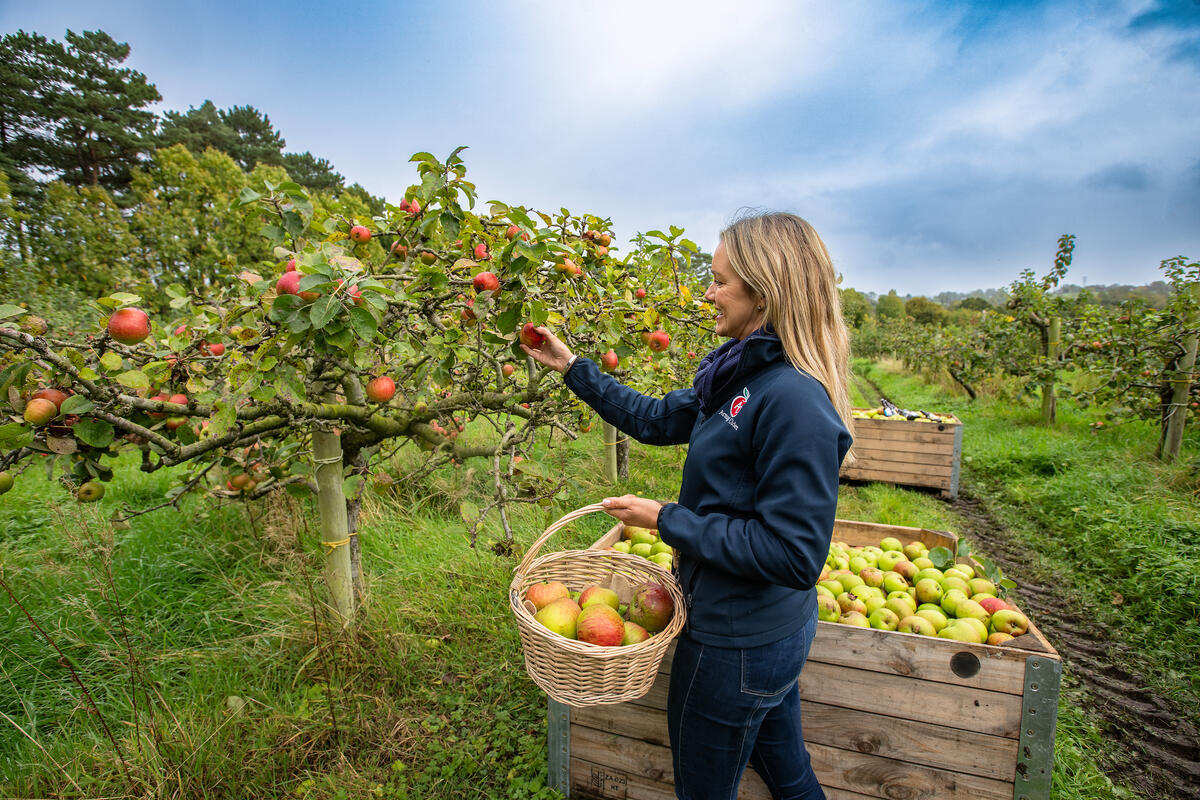
You leave the city behind and head into the countryside. In the morning, you visit a sheep farm in the hills, where a shepherd shows how he directs his border collies with whistle signals. In the afternoon, you drive to County Armagh, known in Ireland as the Orchard County for its many apple orchards. You see how cider is made and finish with a picnic among the trees.
Day 4: The Causeway Coast and on to Donegal
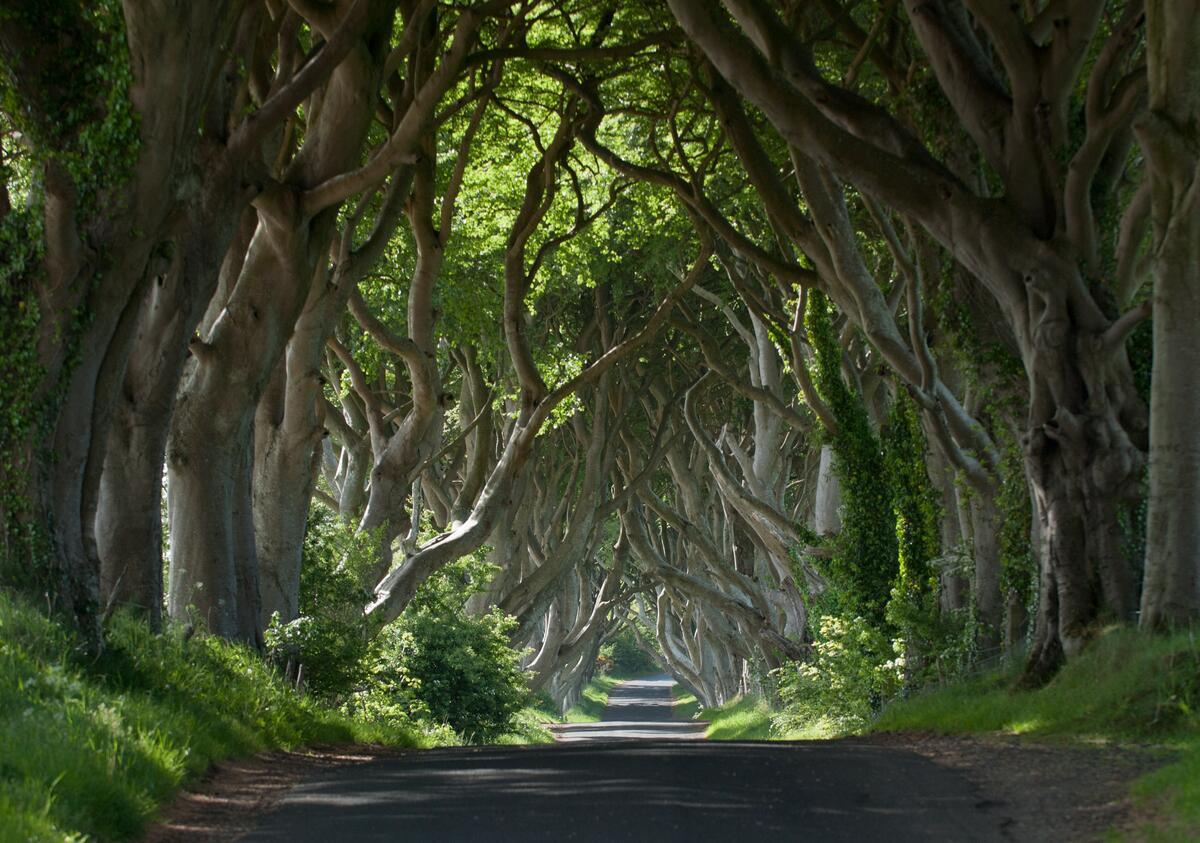
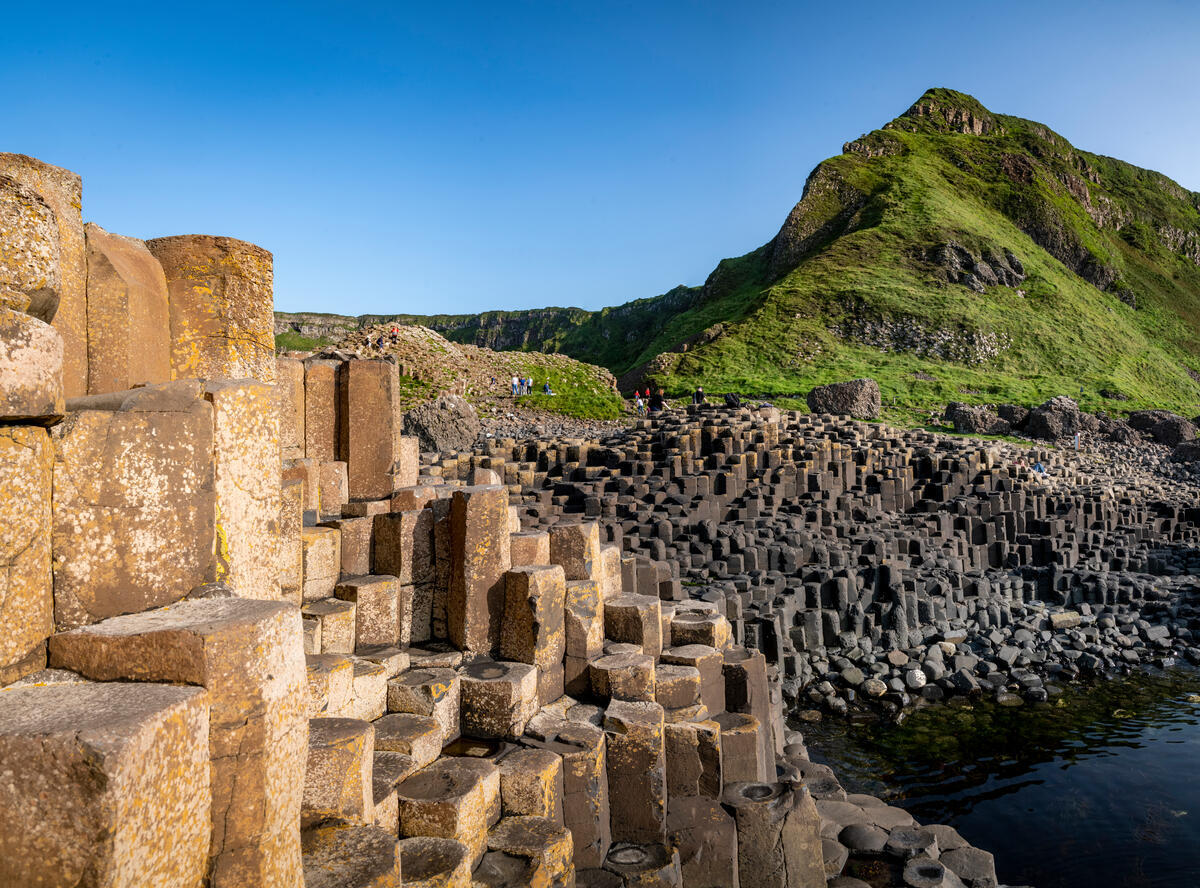
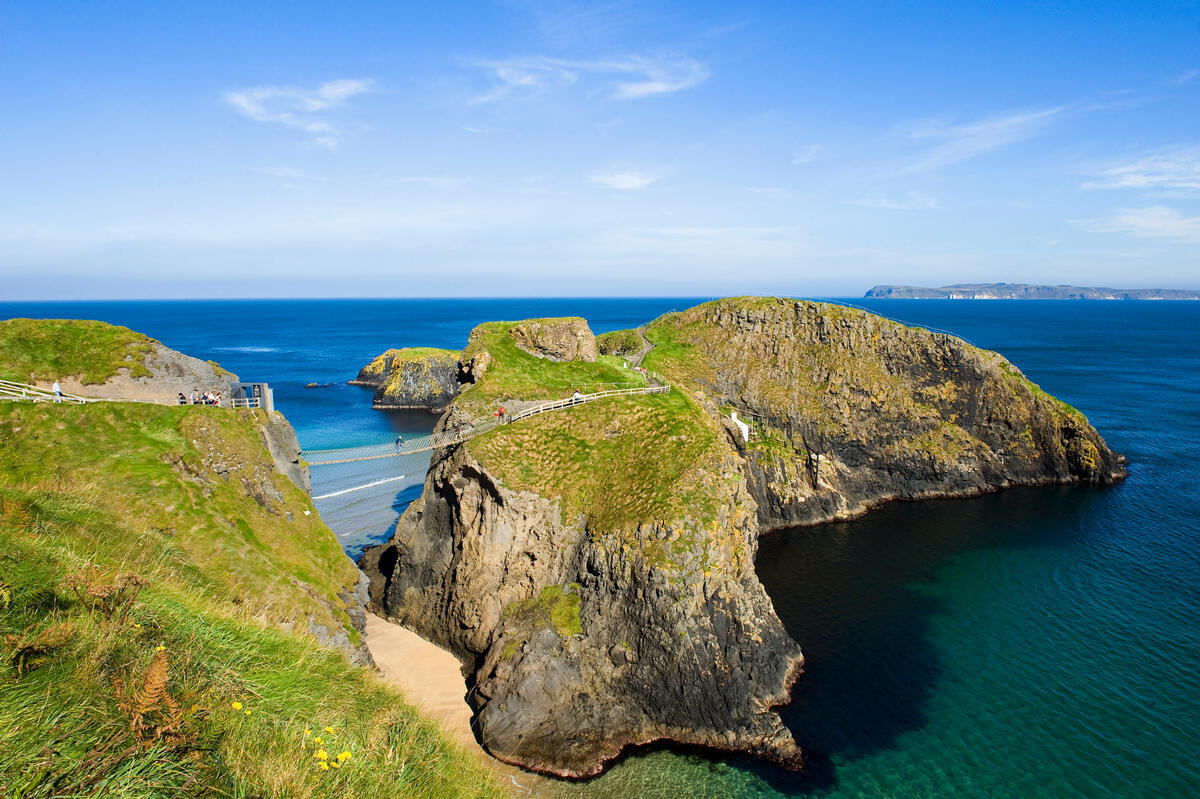
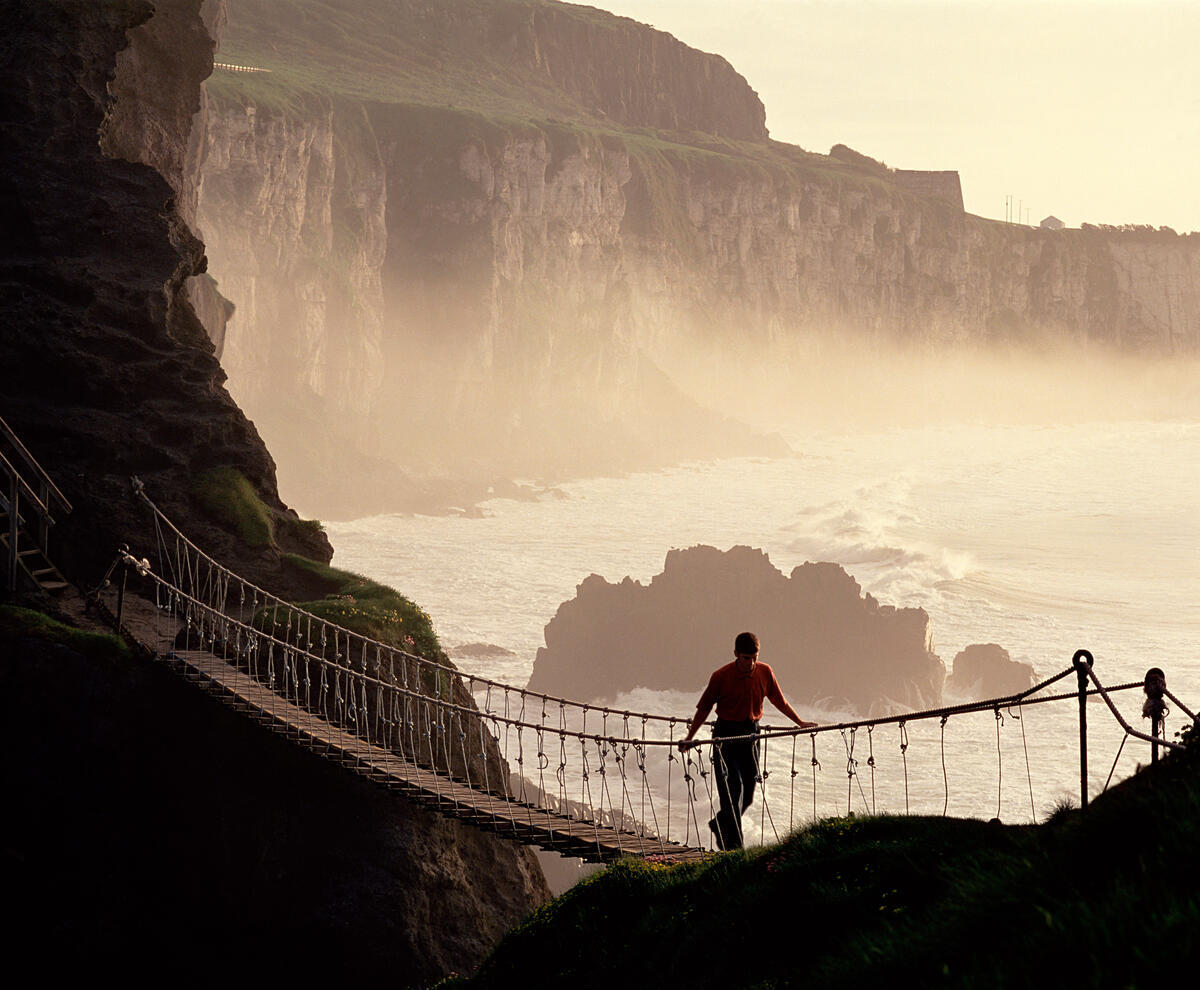
Today you drive along the north coast. You start at Carrick-a-Rede, a rope bridge between the mainland and a small island, originally built by salmon fishermen. Next comes the Giant’s Causeway, where some 40,000 basalt columns run into the sea. According to legend, the giant Finn McCool built a path to Scotland here. On the way to Donegal, you stop at the Dark Hedges, an avenue of beech trees planted in the 18th century along the drive to a country house.
Day 5: Glencolmcille & Slieve League
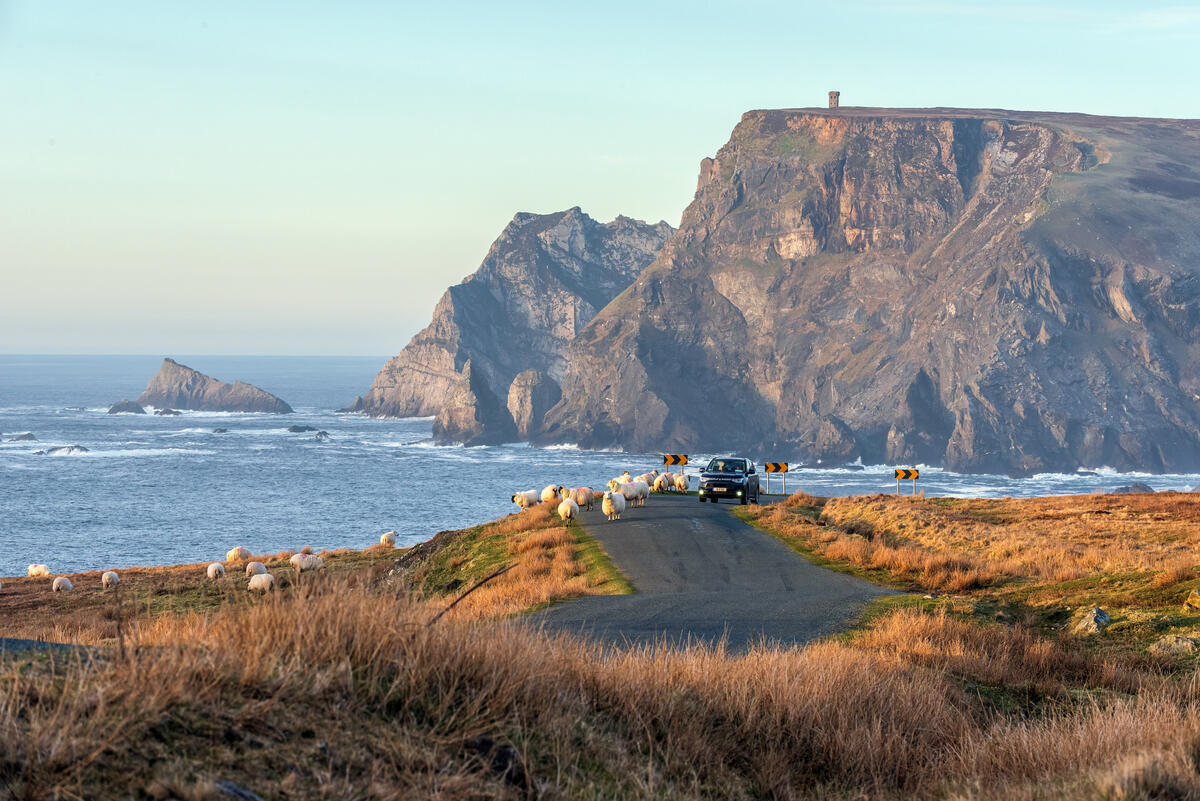
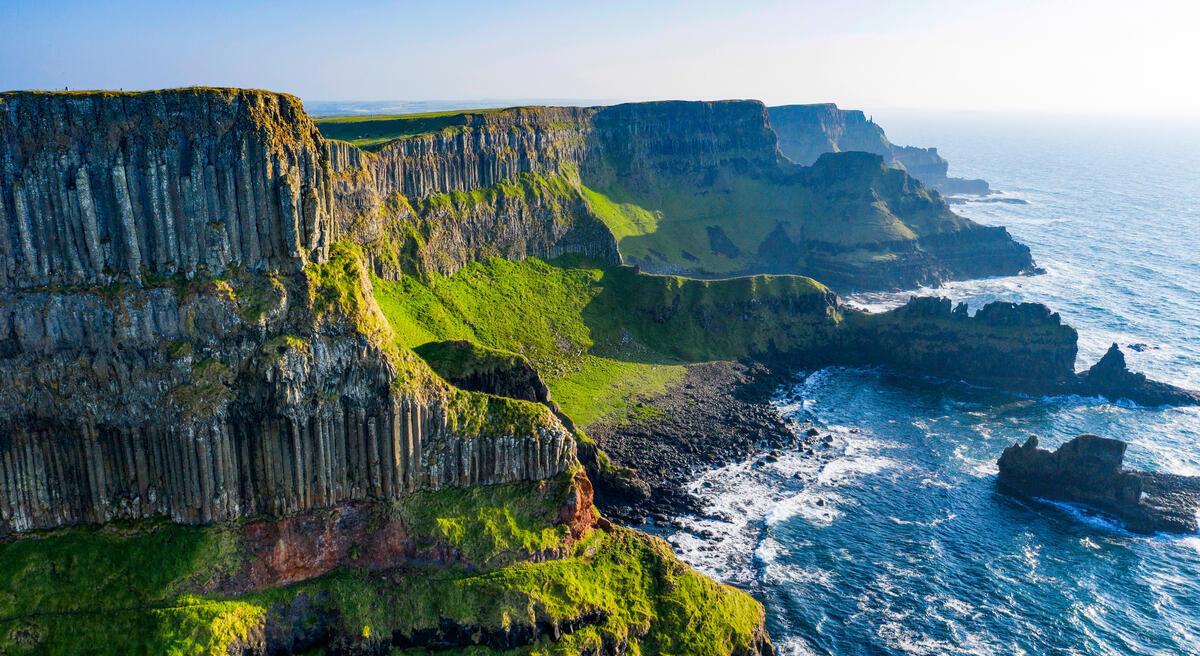
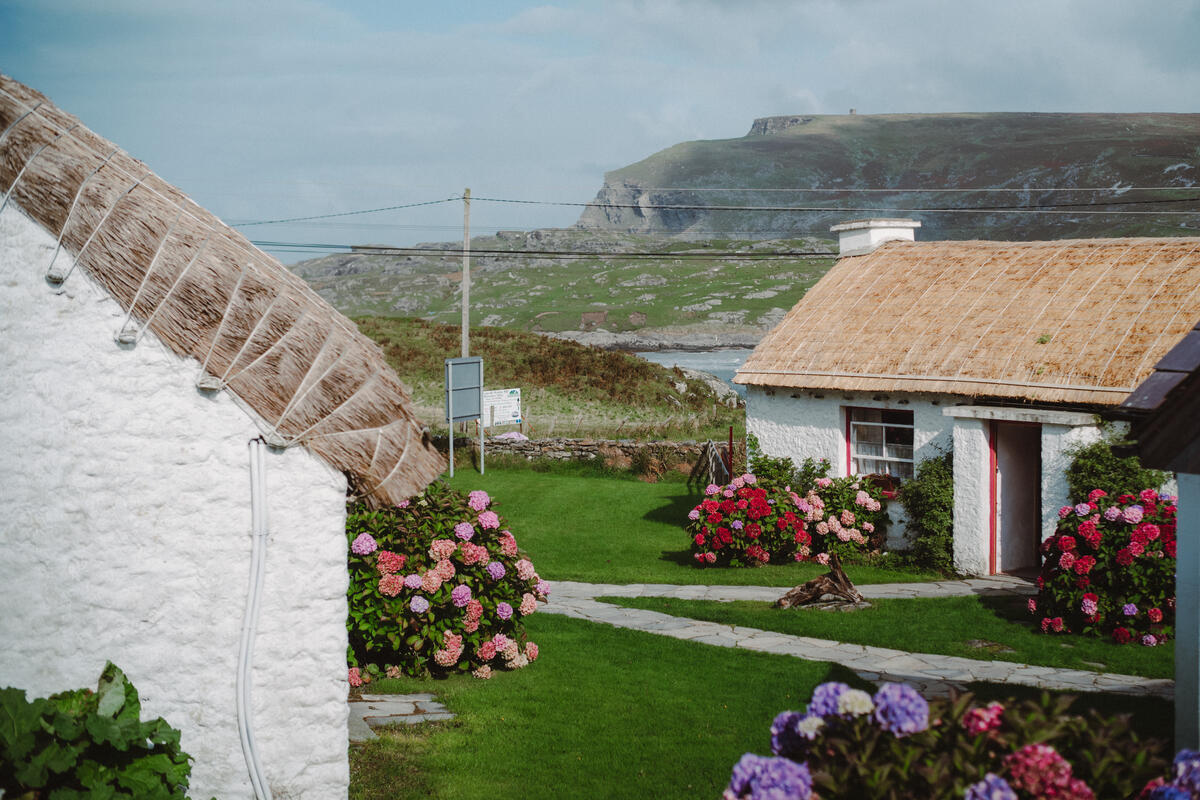
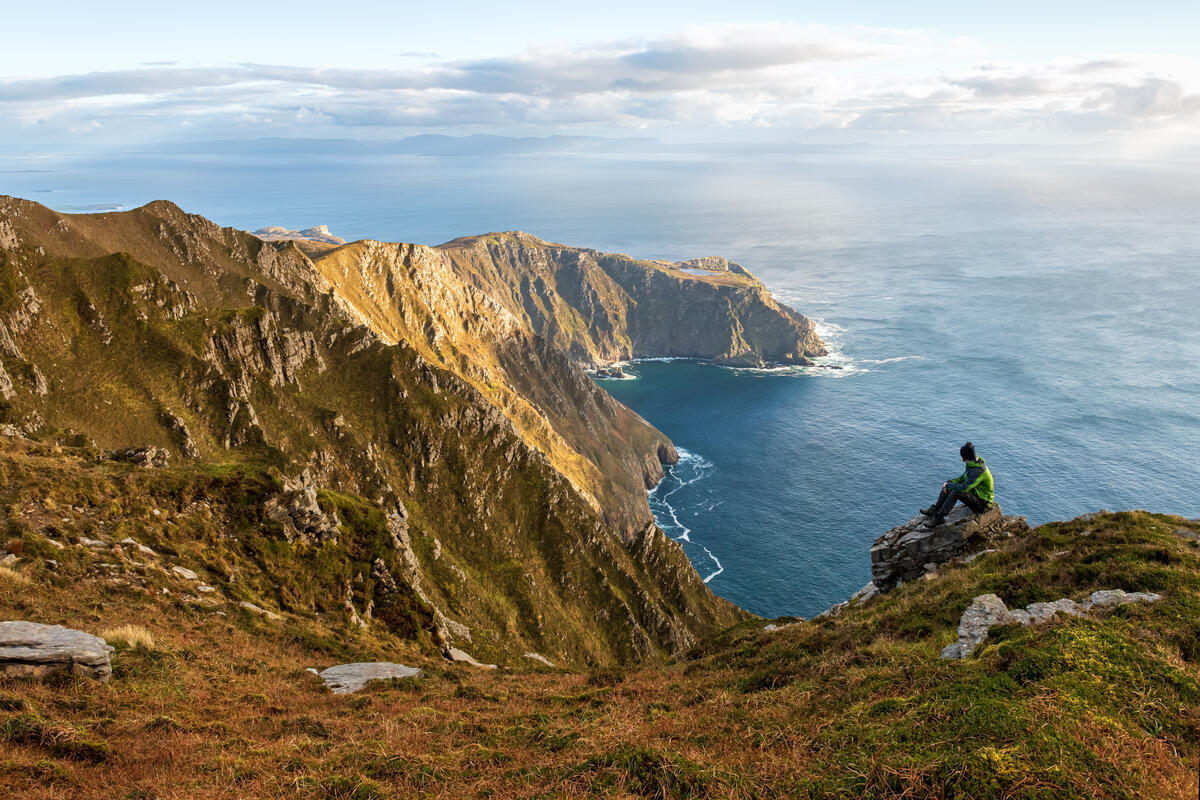
In the morning, you visit the Glencolmcille Folk Village, an open-air museum of thatched cottages that show how people once lived and worked here. The area is part of the Gaeltacht, where Irish is still spoken. In the afternoon, you drive to the Slieve League cliffs. At almost 600 metres, they are among the highest sea cliffs in Europe, nearly three times the height of the Cliffs of Moher. A walking path runs along the edge, with views over the Atlantic Ocean.
Day 6: Derry/Londonderry
You drive to Derry/Londonderry, the only city in Ireland whose 17th-century walls still form a complete circuit. On a guided walk along the walls, you see the Guildhall, the Bogside with its murals and the Peace Bridge, which has linked the two banks of the River Foyle since 2011.
Day 7: Return home
After breakfast, you drive back to Dublin to return your rental car and fly home.
What should you expect in terms of budget?
For this tour, you can expect a guide price starting from 5,000 euros for two people. This price includes international flights, a hire car and accommodation on a bed and breakfast basis, and depends on your travel dates, hotel choices and any extras such as excursions or extensions.
Frequently asked questions about this Northern Ireland tour
When is the best time to visit Northern Ireland and Donegal?
From May to September. The days are longest then, which is useful for the coastal routes. In spring the landscape is at its greenest, and September is often still mild.
Is a hire car essential for this tour?
Yes. Belfast and Derry can be reached by public transport, but the Giant’s Causeway and especially Slieve League are remote. With your own car, you get there much faster and with more freedom.
What makes this tour unique?
Most trips to Ireland focus on the south and west. This route heads north, with the history of Belfast and Derry, the Causeway Coast and the cliffs of Donegal, where it is much quieter than at the Cliffs of Moher.
Why book with Caractère?
- Best price guarantee
- Caractère extras
- Just one phone call or email away from our enthusiastic travel experts
- Pay safely
- No extra or hidden fees