Route
You start in Malmö and drive along the southern coast towards Karlskrona and Kalmar. You then cross over to Öland and continue into the inland region of Småland. The trip ends on the west coast around Halmstad or Gothenburg.
Pace
You travel with short distances between the different stops. Most stays last one to two nights, giving you time to explore each area and stop along the way wherever something catches your interest.
Highlights
Malmö with its old town and modern districts, the Skåne coast with Ystad and Ales Stenar, and the islands around Karlskrona. On Öland, you see windmills and open limestone landscapes. In Småland, you pass lakes and forests, and on the west coast you finish in Halmstad and Tylösand.
Accommodation
You stay in different locations along the route, each well aligned with your itinerary. This keeps travel times manageable and leaves room to enjoy each stop.
Profile
For travellers who want to discover southern Sweden on a road trip along the coast, islands and lakes, with enough freedom to make their own choices along the way.
Day 1: Arrival in Malmö and first exploration
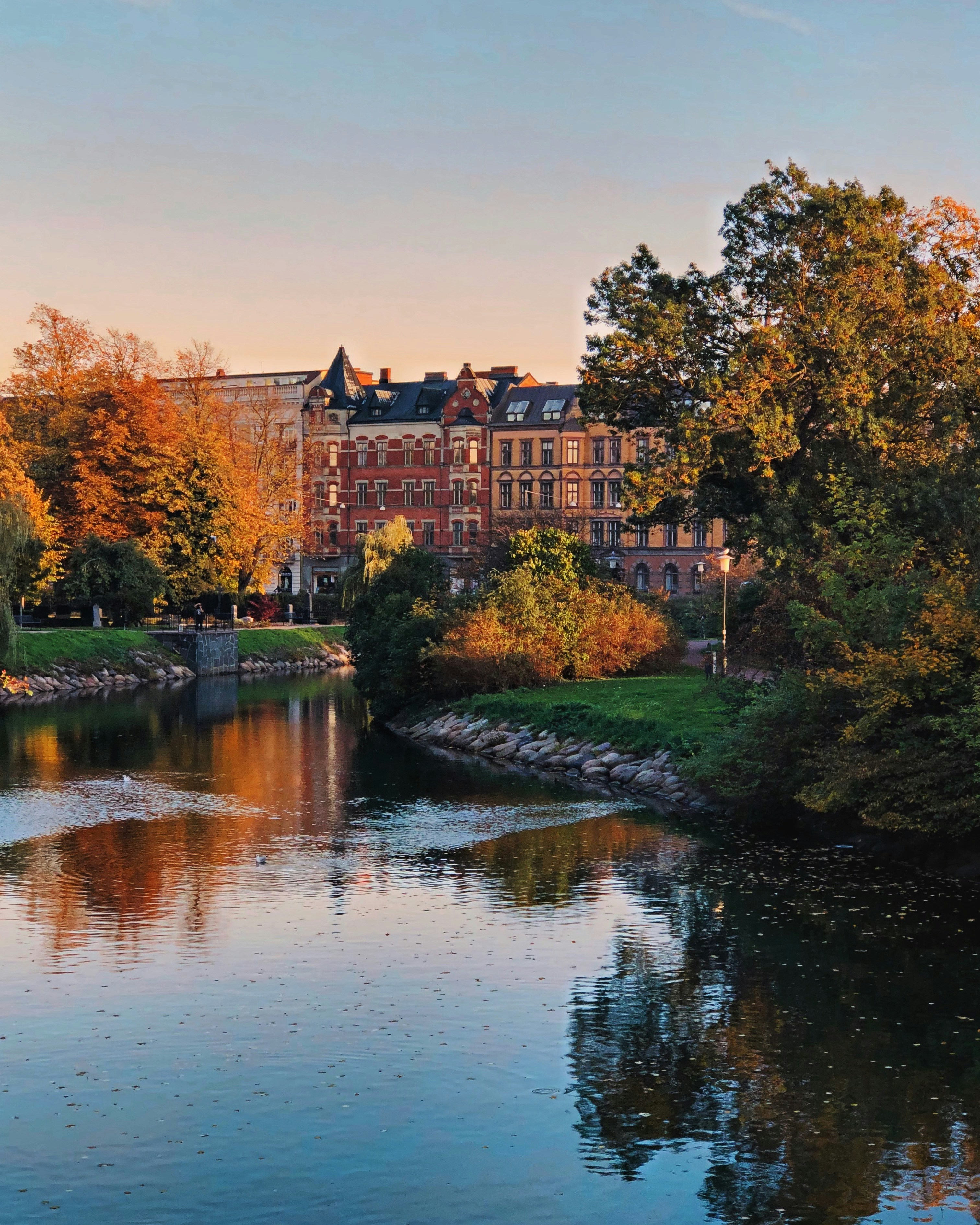
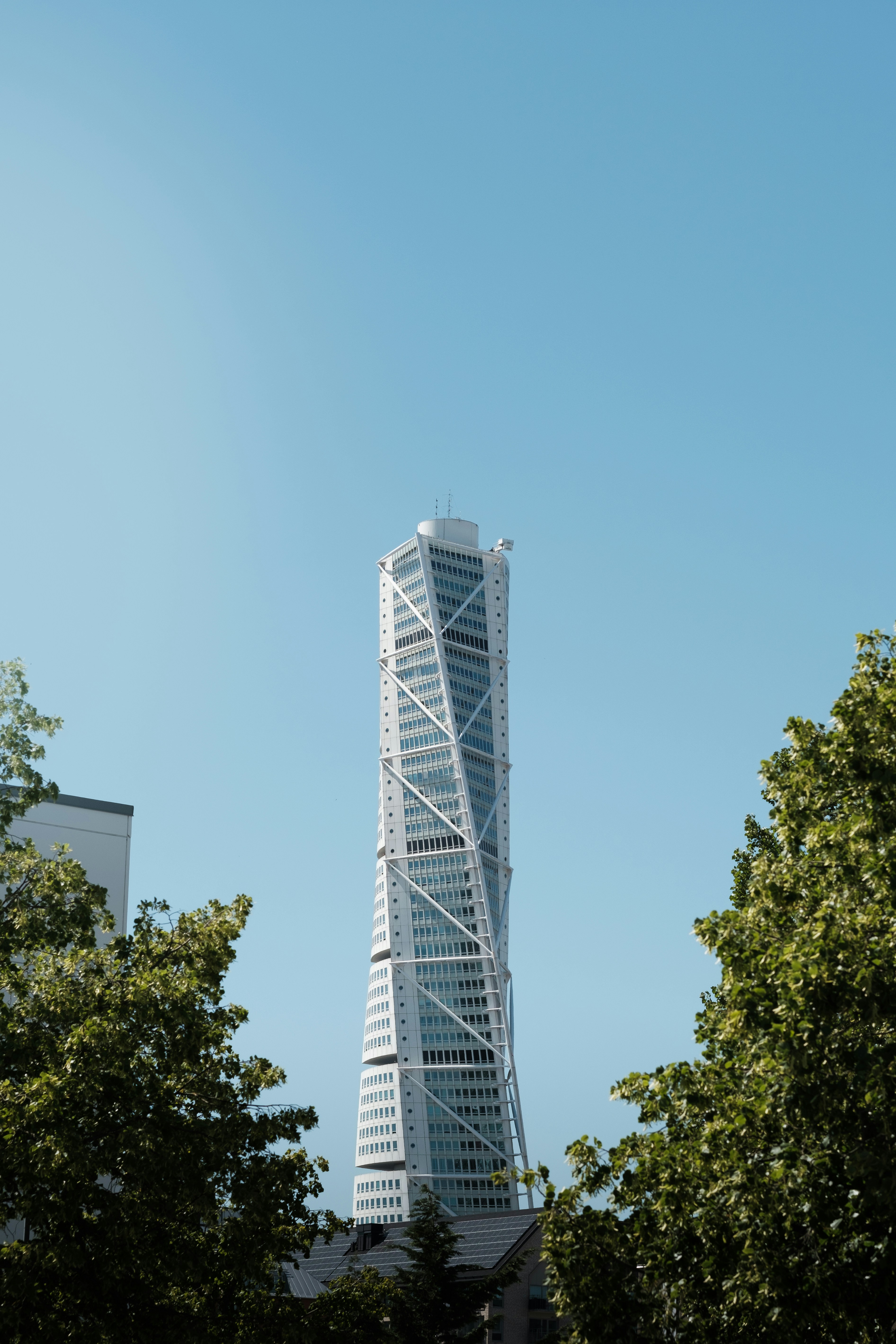
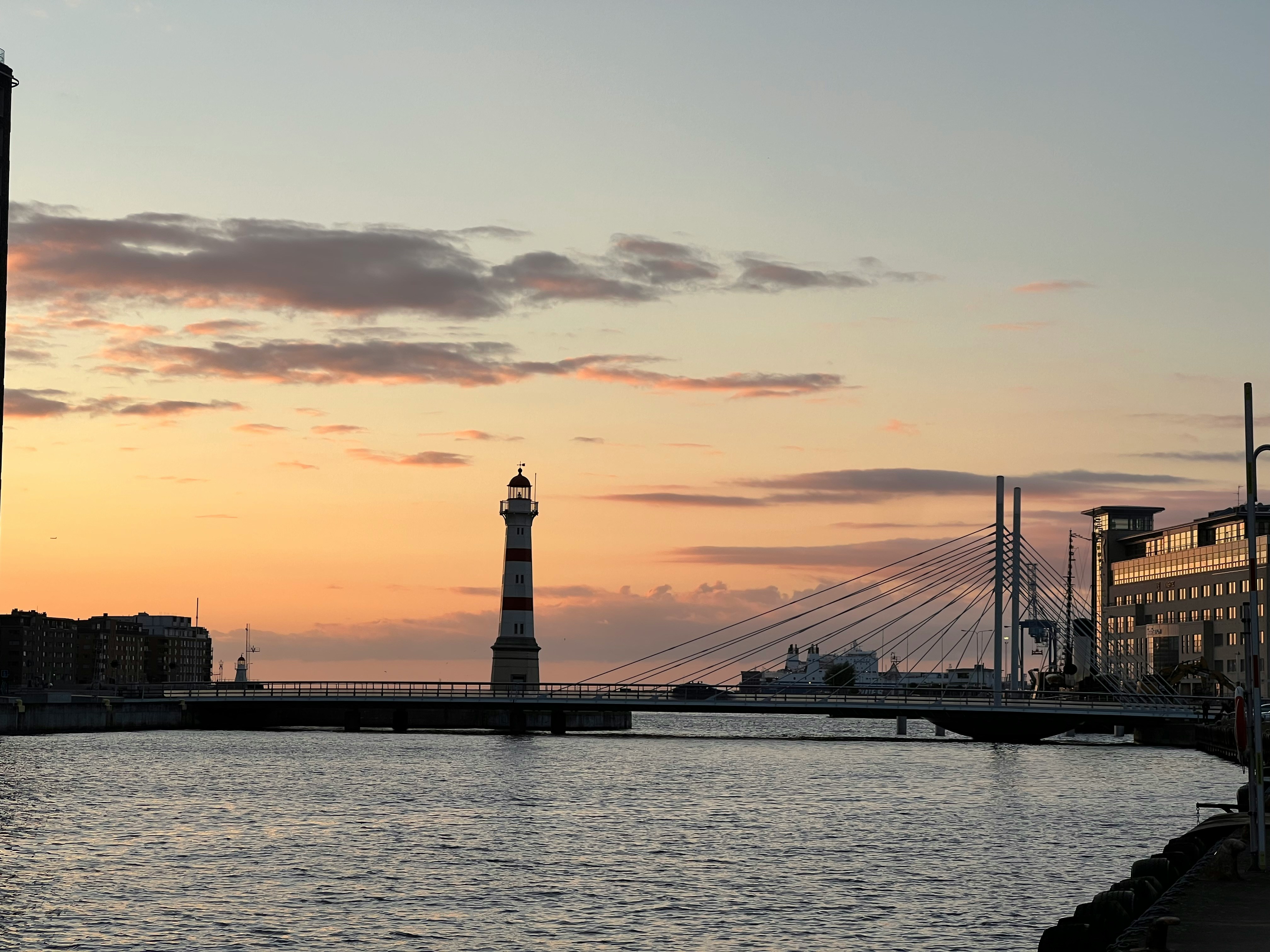
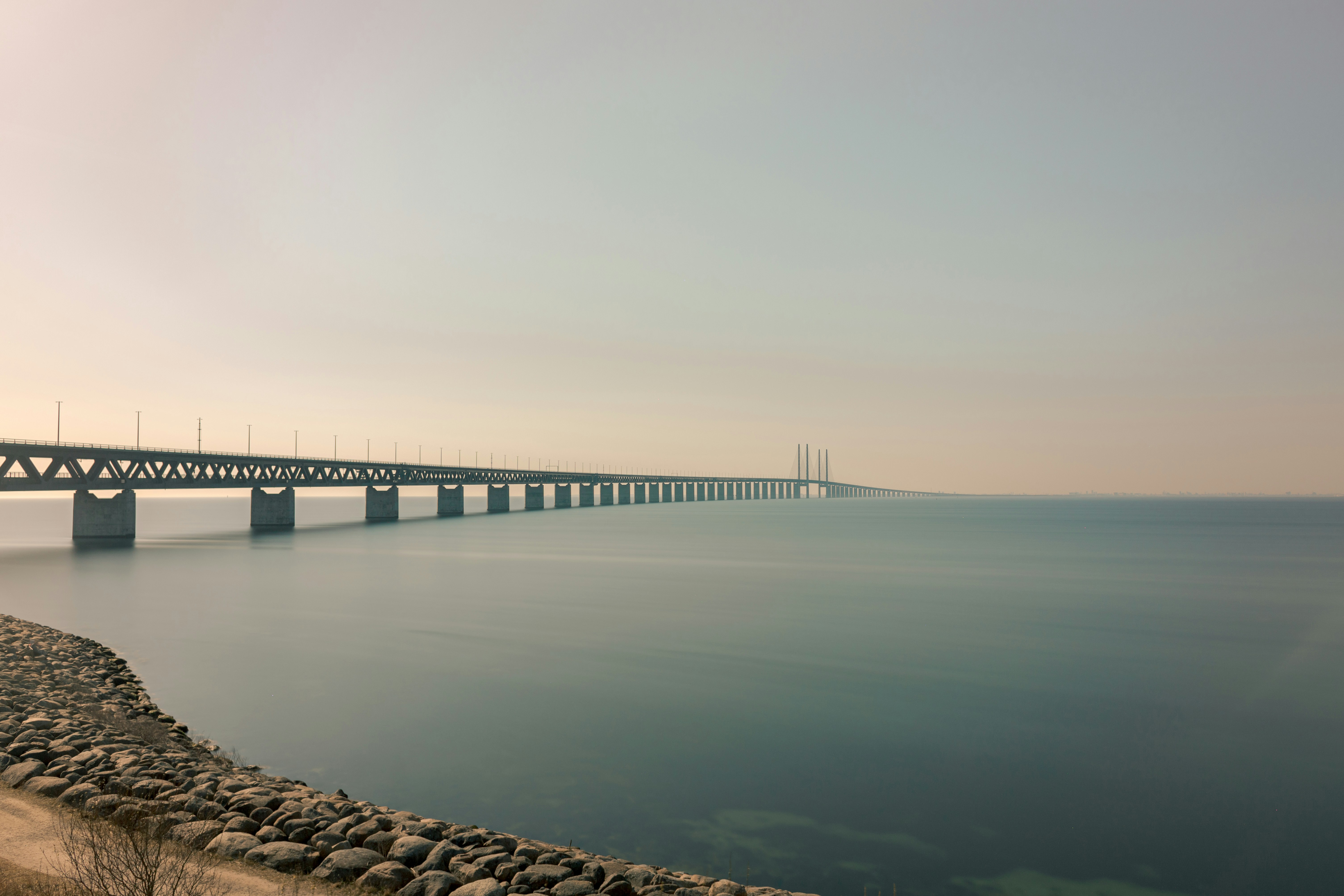
Malmö is a natural starting point for a road trip through southern Sweden: the airport is about 25 minutes away and the city is directly connected to Copenhagen via the Øresund Bridge. On your first evening, walk to Lilla Torg, a 16th-century square surrounded by half-timbered houses that now host restaurants and bars. Toward Västra Hamnen you see another side of the city: the district was built on former shipyard grounds. The Turning Torso rises 190 metres above the old docks.
Day 2: Malmöhus and the city centre
Malmöhus Castle is the oldest preserved Renaissance castle in Scandinavia, built in 1434. Inside you will find art collections, city history and an aquarium. The district of Möllevången has a different atmosphere from the tourist centre, with a daily market and a wide mix of restaurants reflecting the city’s demographics. Ribersborg Beach is easily reached by bike and remains pleasant even in the early evening.
Day 3: The southern coast of Skåne, Ystad and Ales Stenar
The route along the southern coast of Skåne passes Smygehuk, the southernmost point of Sweden, marked by a stone monument, before reaching Ystad. The town has a well-preserved medieval centre with whitewashed half-timbered houses and is known in Sweden as the home of fictional detective Kurt Wallander. A few kilometres further stands Ales Stenar: 59 standing stones arranged in the shape of a ship on a cliff above the Baltic Sea. Their age and purpose are still debated among archaeologists.
Day 4: Österlen and Stenshuvud National Park
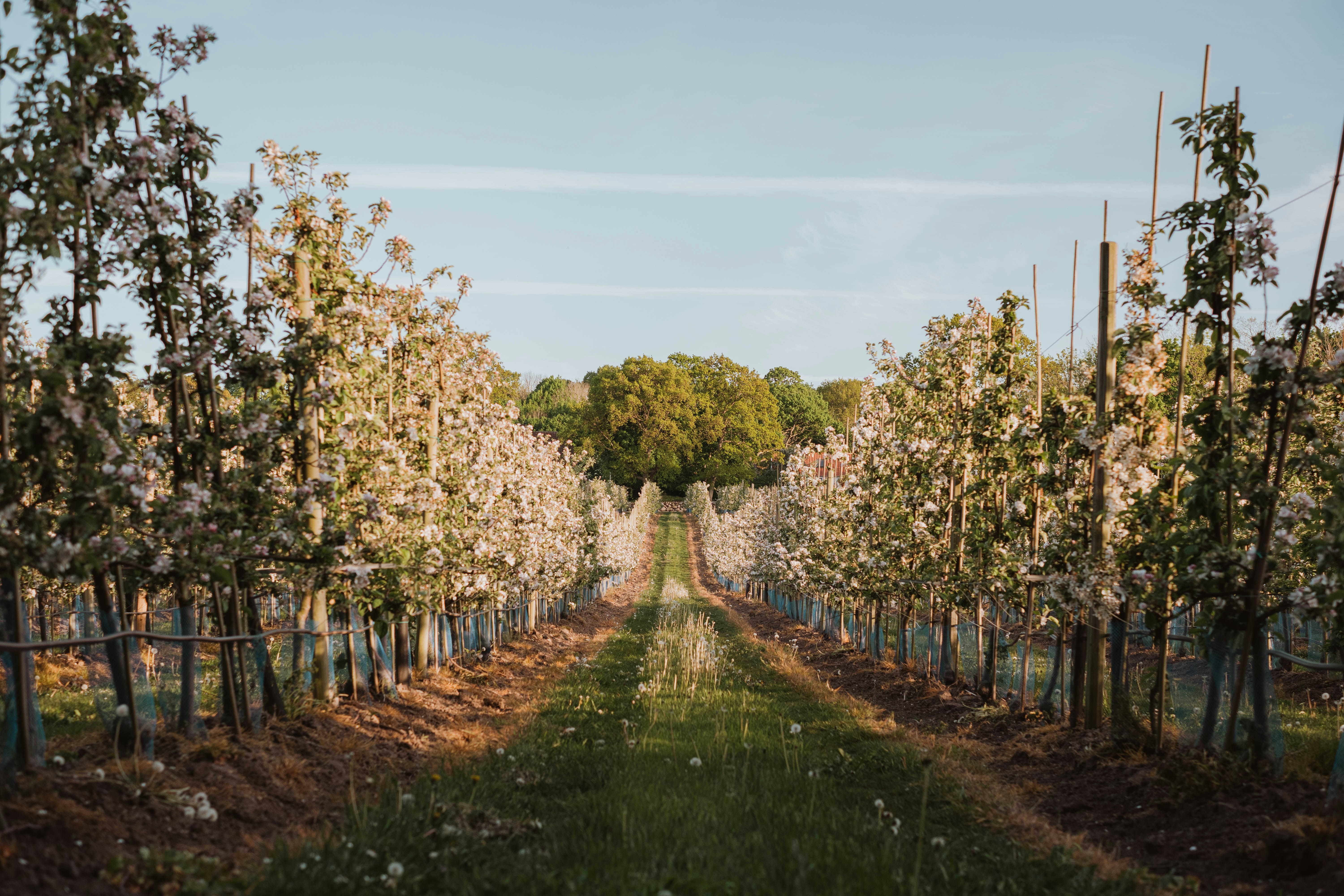
Österlen forms the rural eastern part of Skåne: an open landscape with rapeseed fields, small villages and a coastline that feels wilder than the area around Malmö. In Stenshuvud National Park, oak and hazel forests lead down to beaches and rocky coastal viewpoints over the Baltic Sea. Simrishamn has a compact fishing harbour that makes a good stop for lunch by the water.
Day 5: Karlskrona, a city built as a naval base
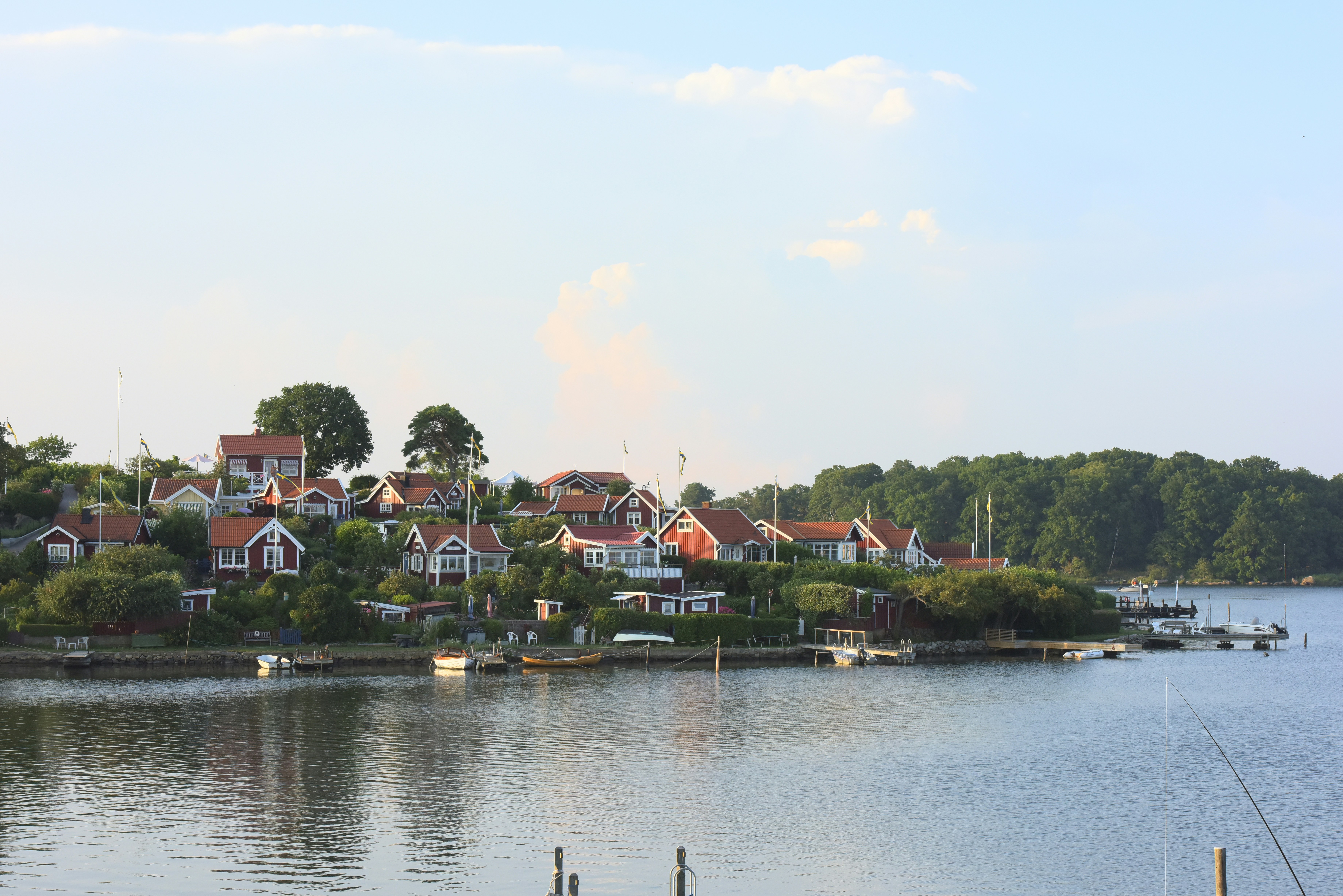
Karlskrona was designed in 1680 as a naval headquarters with broad avenues, a central square and shipyard buildings arranged on a grid. This planned layout is why the historic centre was added to the UNESCO World Heritage List in 1998. The city spreads across about 30 islands, with the centre on the largest one.
Day 6: The Karlskrona archipelago
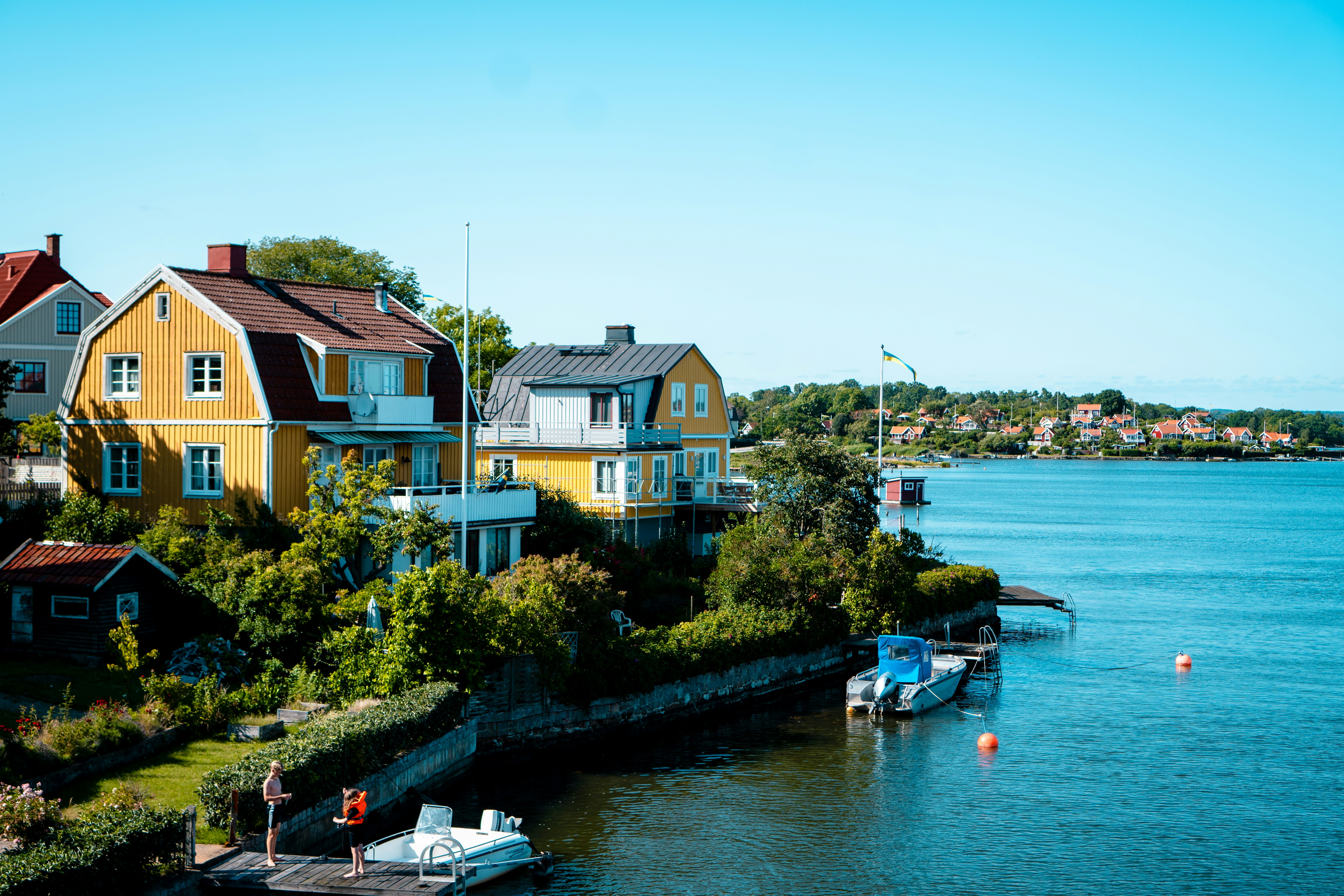
From Karlskrona you explore the archipelago by ferry or kayak. The islands are sparsely populated, the bays sheltered and the water warm enough for swimming in summer. Kayak rental points are located along the harbour. For calmer routes between the larger islands no special experience is required, while trips to the outer archipelago are best done with a guide.
Day 7: Kalmar and its Renaissance castle
Kalmar lies on the Kalmarsund strait separating the mainland from Öland. Kalmar Castle stands directly on the water and is one of the best-preserved Renaissance fortresses in northern Europe. In 1397 the Kalmar Union was signed here, temporarily uniting Denmark, Norway and Sweden under one crown. The town centre is compact and easy to explore on foot.
Day 8: Öland, the island of windmills and alvar
The bridge to Öland stretches about six kilometres and already reveals the island’s landscape: flat, wide and open. Dozens of historic wooden windmills remain here, while the southern plateau known as the Alvar, a unique limestone landscape, is listed as a UNESCO World Heritage Site. The west-coast beaches are long, with sandbanks appearing at low tide.
Day 9: Öland, Borgholm and Eketorp
Borgholm Castle overlooks the town of the same name. The 17th-century fortress burned down in 1806 and today its walls serve as an open-air venue for concerts and theatre. A little further south lies Eketorp Fort, a reconstructed 5th-century ring fortress and the only one of Öland’s nineteen such forts to have been fully excavated and rebuilt.
Day 10: The Småland countryside
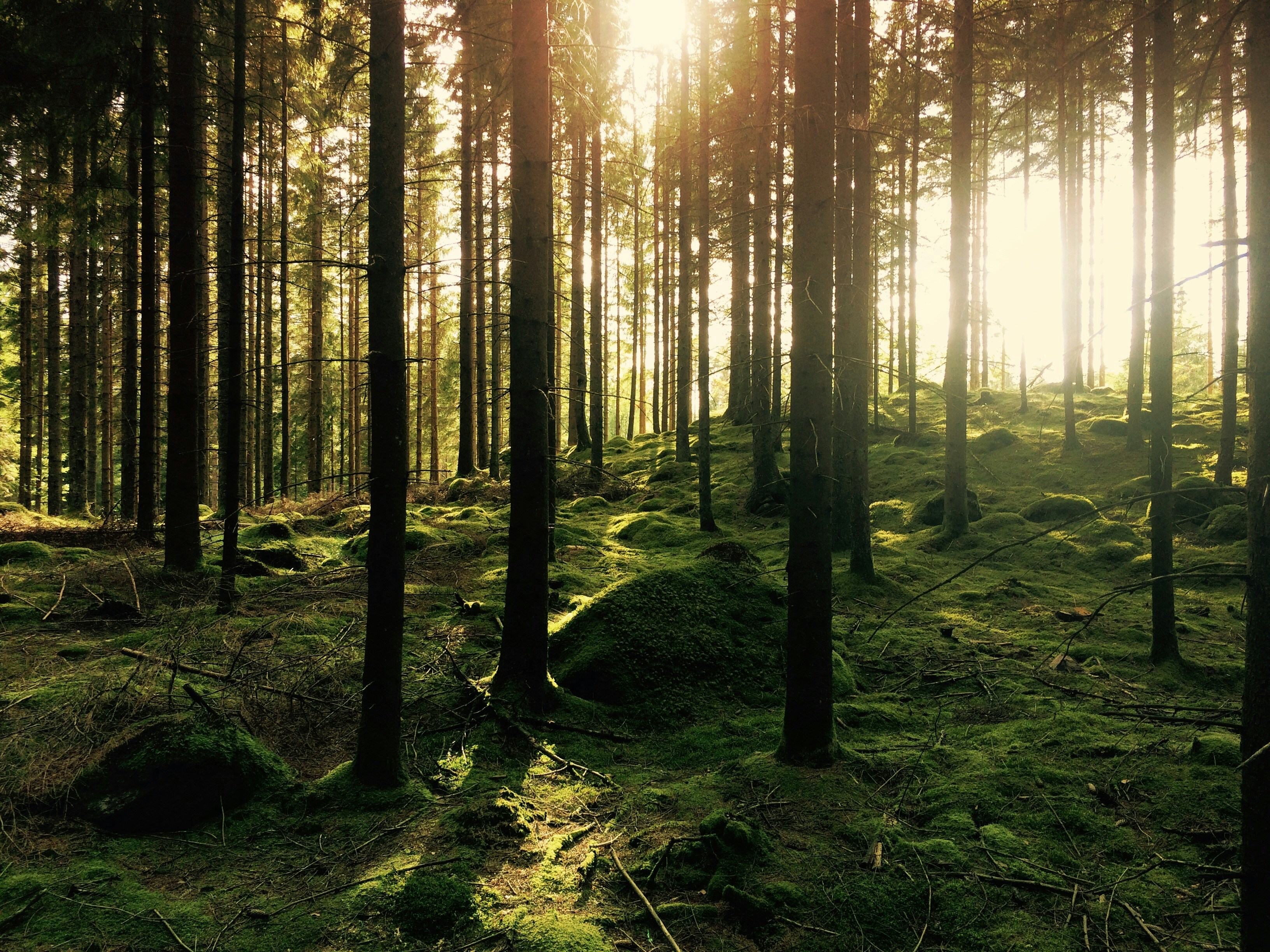
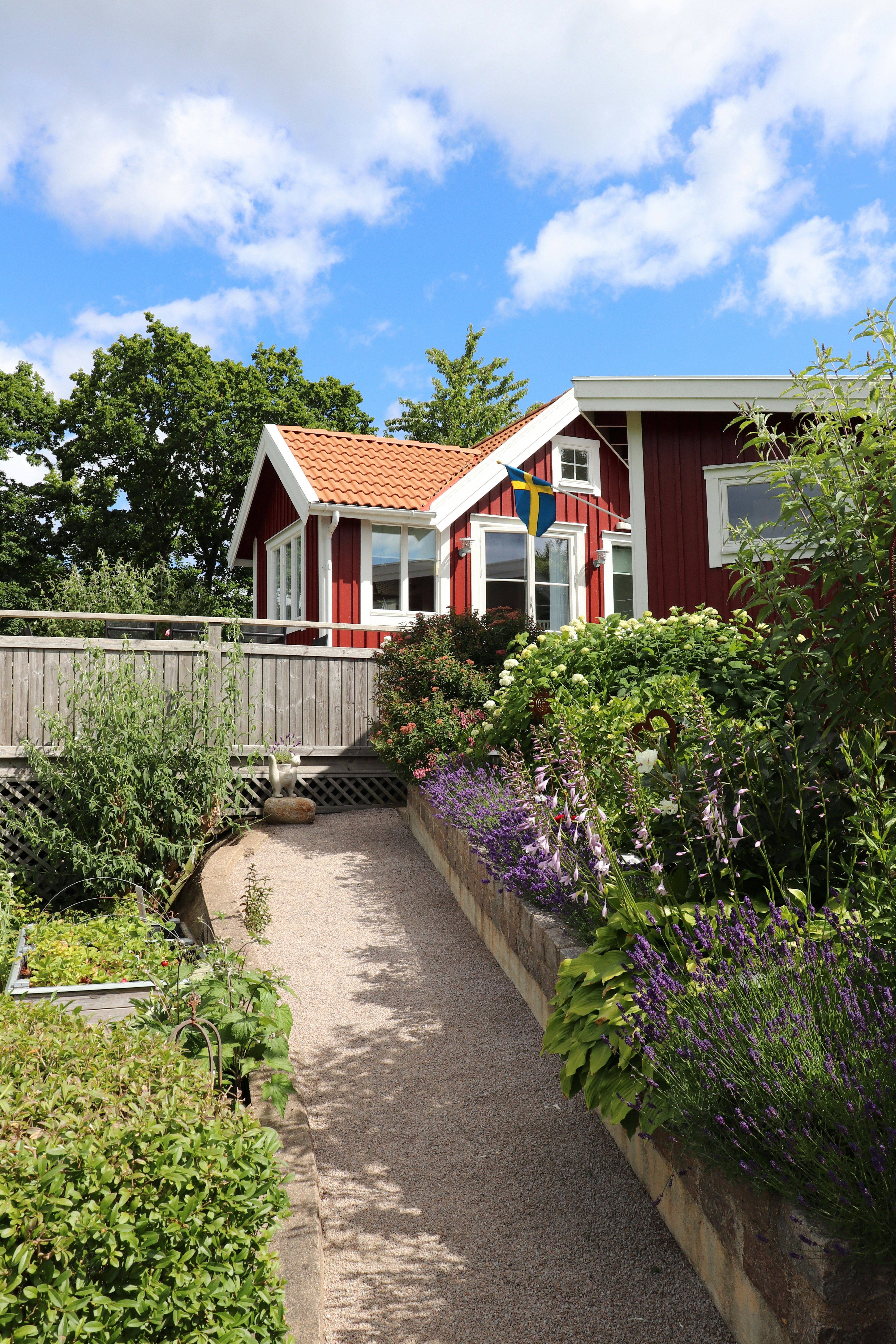
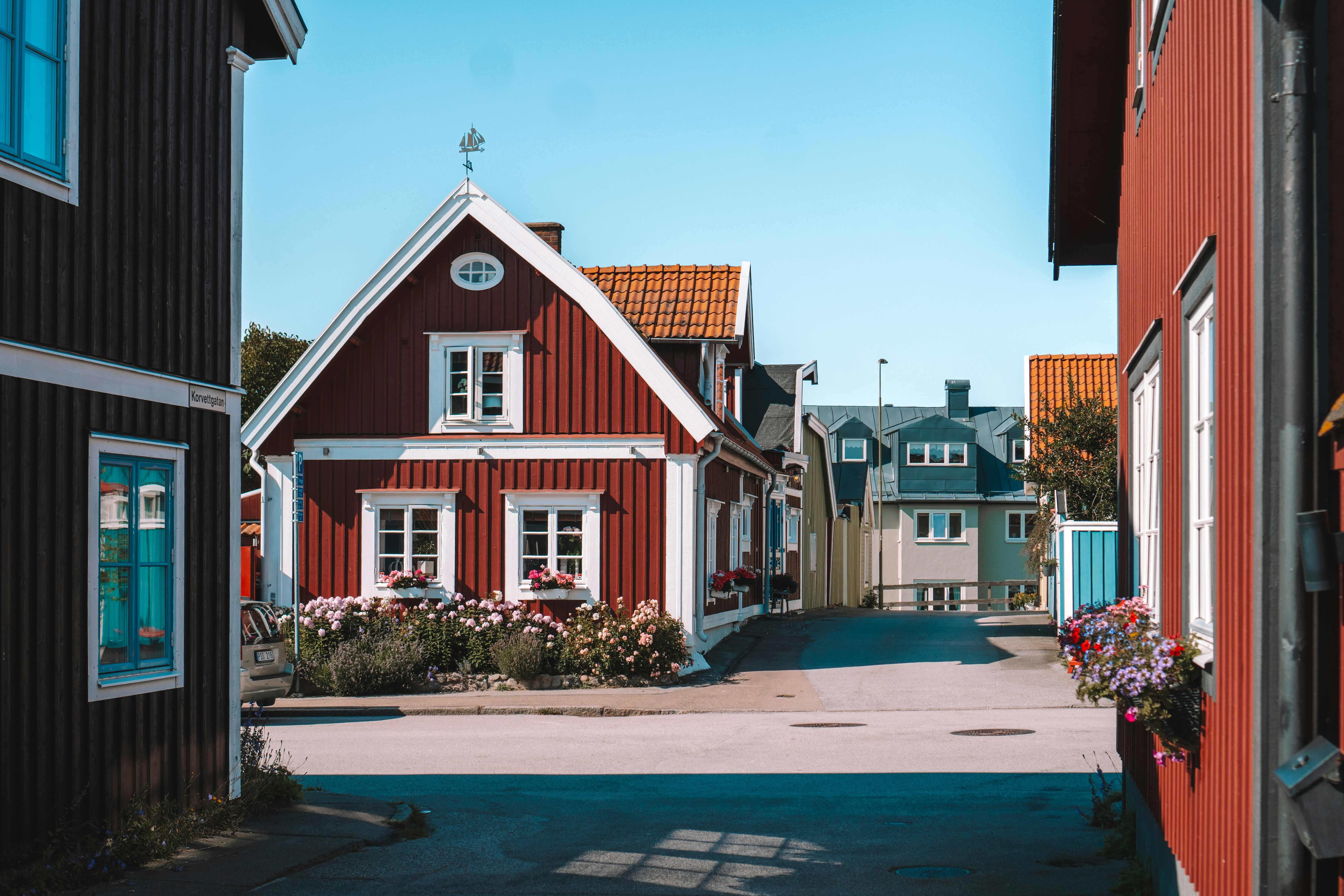
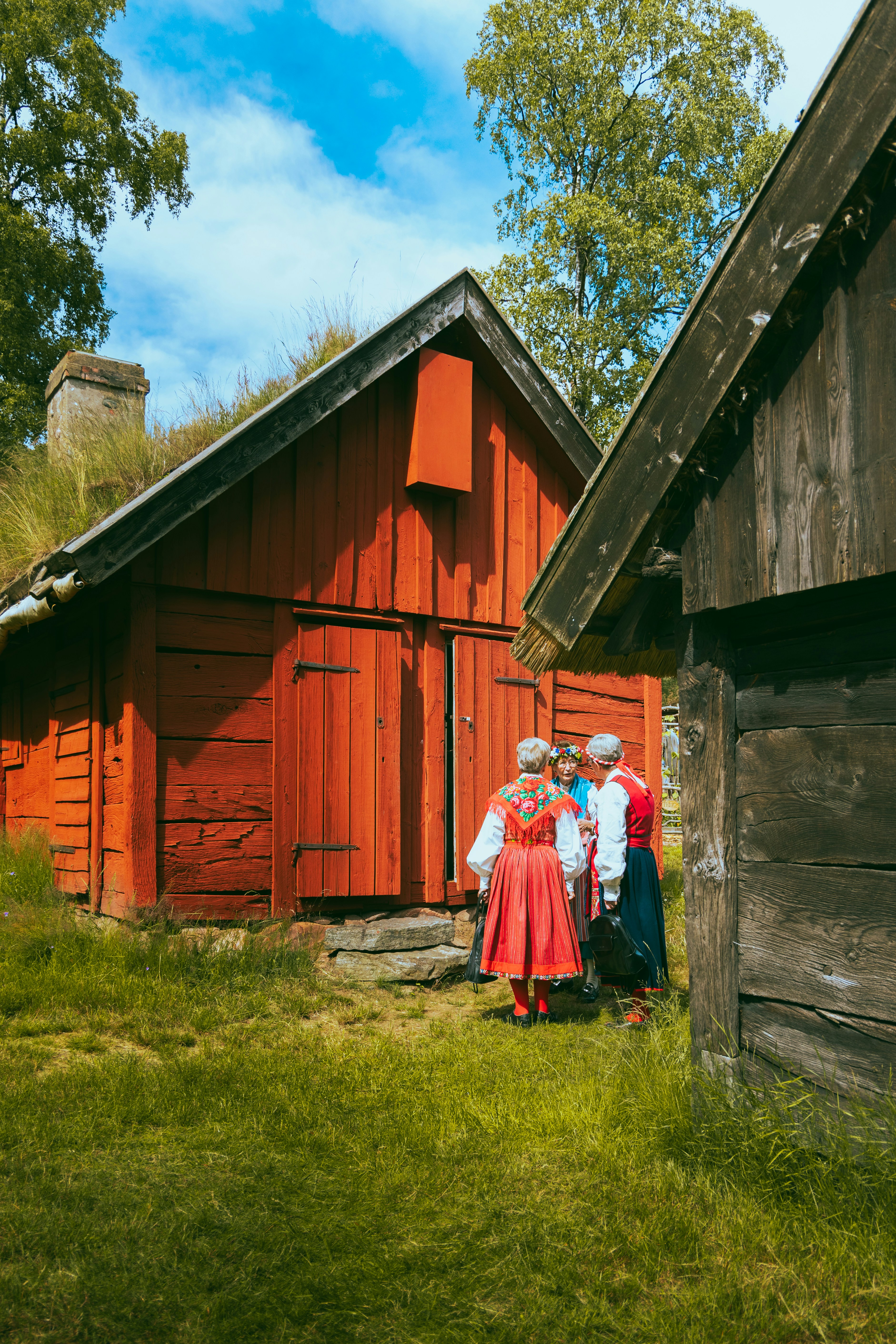
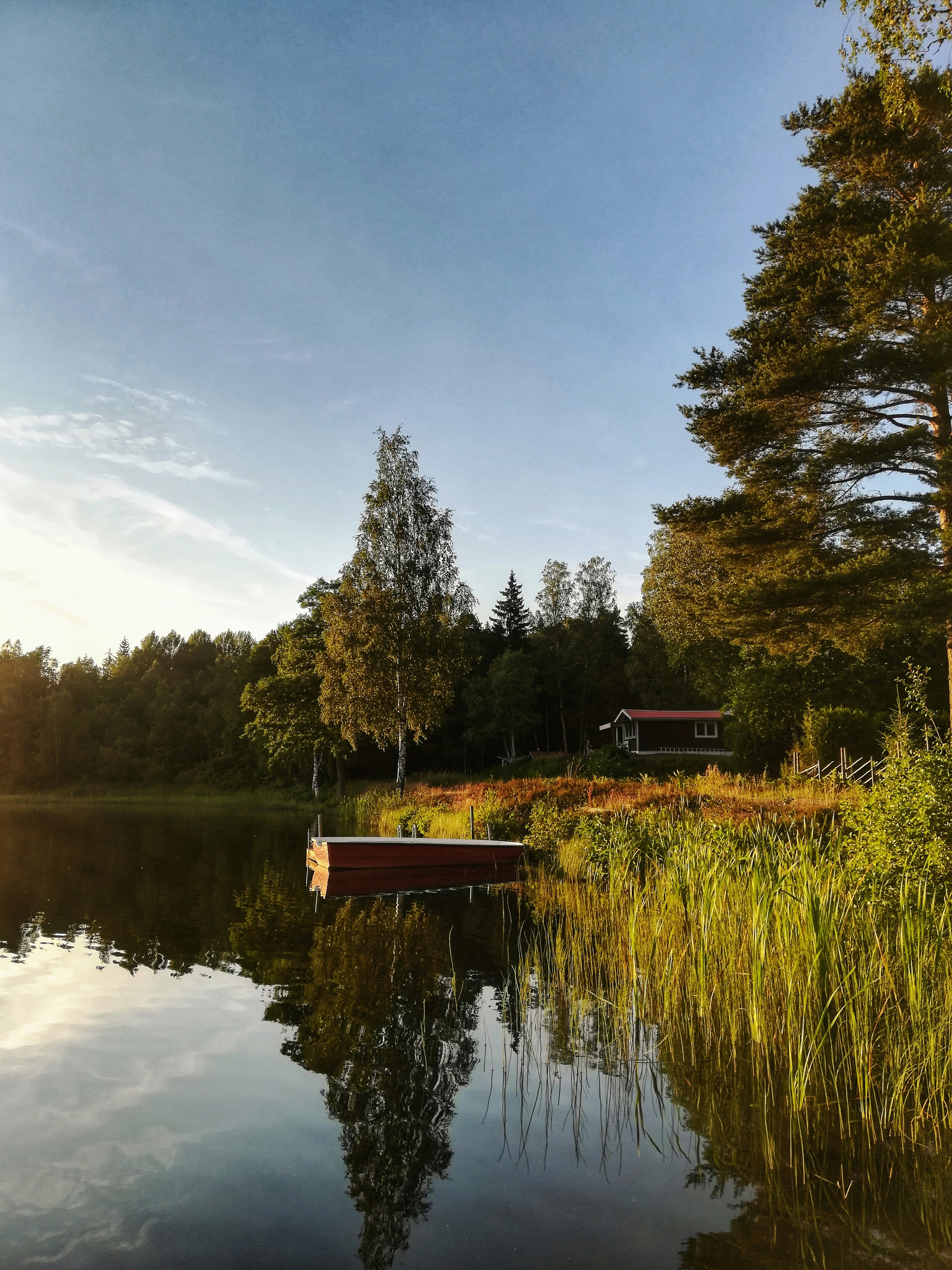
From Öland you cross the bridge back to the mainland and head inland. Småland looks like the Sweden many imagine: pine forests, lakes and red wooden houses with white frames. The region is also the birthplace of companies such as IKEA, H&M and Spotify. At the centre of the region lies Glasriket, the “Kingdom of Crystal”, a cluster of glassworks operating since the 18th century, including the well-known Kosta Boda.
Day 11: Canoeing on the lakes of Småland
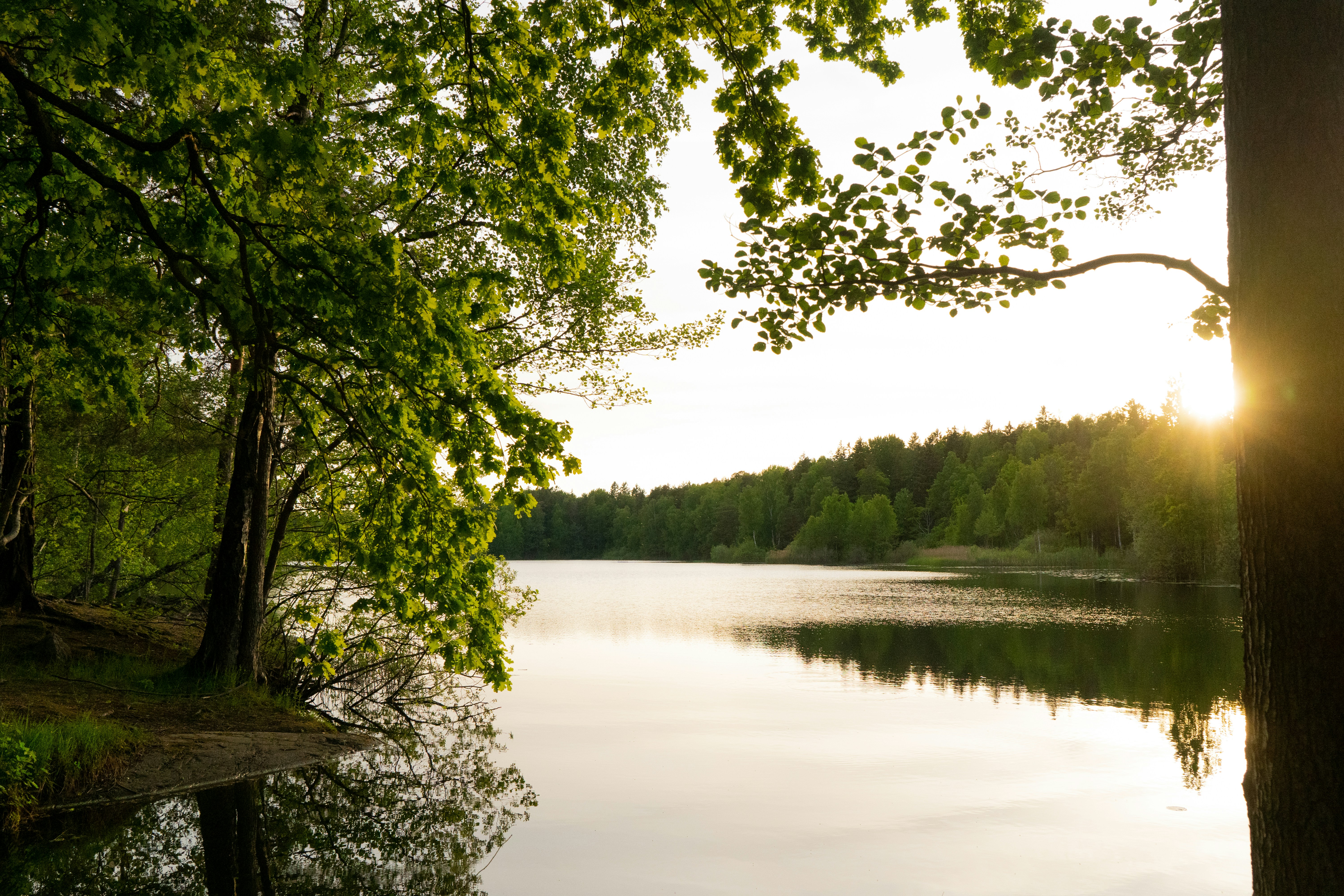
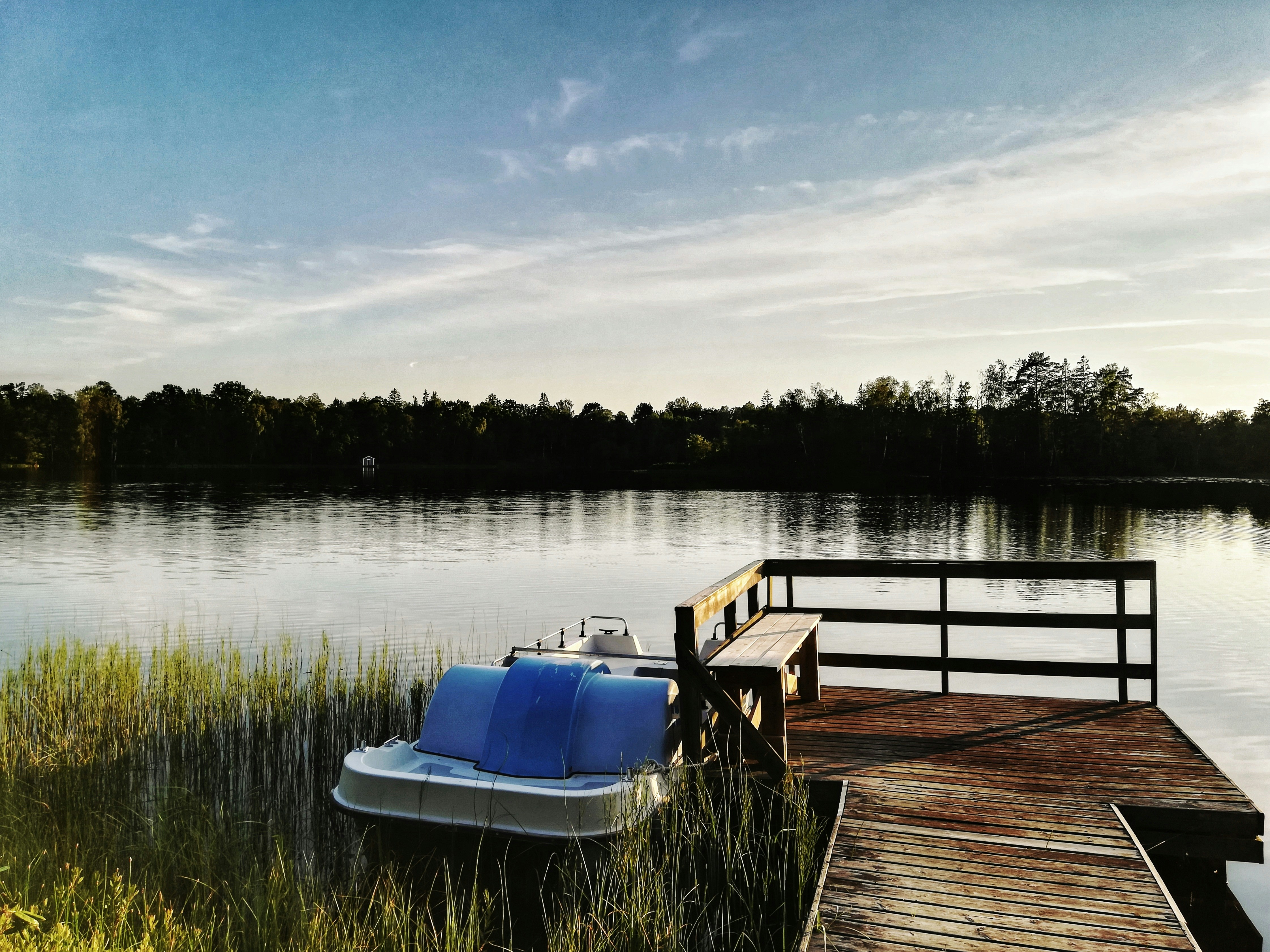
Åsnen National Park is one of the most beautiful lake landscapes in southern Sweden: a maze of islands, bays and channels accessible by canoe or kayak. Rental points are located along the lakeshore and a half-day trip on the water requires no prior experience.
Day 12: Lake Bolmen and the road to the west coast
Lake Bolmen is the largest lake in Småland, covering about 184 square kilometres and dotted with around 500 islands. The area attracts anglers for pike and perch rather than mass tourism. From here the Swedish west coast and the town of Halmstad are about an hour away by car.
Day 13: Halmstad and the west coast at Tylösand
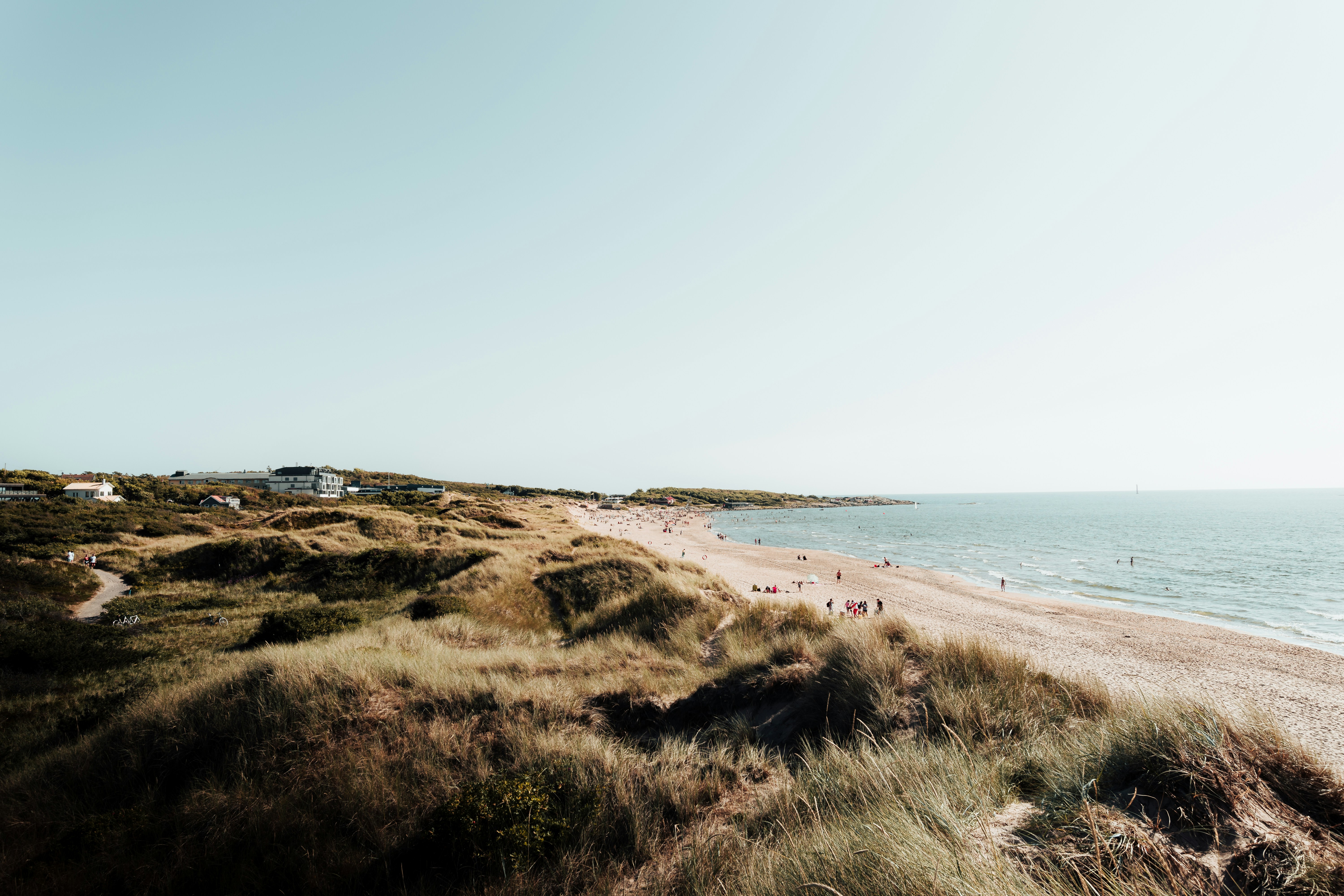
Halmstad is the largest city in the province of Halland. Eight kilometres west of the city lies Tylösand Beach, one of the longest continuous sandy beaches in Sweden. The west coast has a different character from the east coast: windier, with larger waves and a rougher atmosphere.
Day 14: End of your South Sweden road trip
Depending on your flight, you depart from Halmstad or drive another 80 kilometres to Gothenburg for a final stop or a larger airport. The full journey covers just over 1,200 kilometres, from the Øresund Strait in the south to the west coast in the north, revealing how varied southern Sweden is as a travel destination.
What budget should you expect?
For this journey, you can expect a price starting from € 9,000 for two people. This includes flights, bed & breakfast, a rental car, and the mentioned activities. The exact price will depend on the period you travel, your final choices, and any optional extras.
Frequently asked questions about this tour
Do you need a rental car for this trip?
Yes. This tour is fully designed as a self-drive. With a car, you can easily follow the route and stop wherever you like, from coastal viewpoints to small villages and lakes.
Is this tour suitable with children?
Yes, the distances are manageable and there is enough variety. Beaches, short walks and activities on the water add variation to the trip.
What is driving like during this trip?
Distances remain limited, usually between 60 and 120 kilometres per day. This makes for relaxed driving, with enough time for stops along the way.
What makes this route so special?
You experience different sides of southern Sweden in one trip. From coast and islands to forests and lakes, everything flows naturally without long travel distances.
Why book with Caractère?
- Best price guarantee
- Caractère extras
- Just one phone call or email away from our enthusiastic travel experts
- Pay safely
- No extra or hidden fees