Route
You start with a first stop in the Loire Valley before continuing to Limoges. From there, you take day trips to Aubusson, Oradour-sur-Glane and the lakes in the region. You then travel through the Dordogne to the Gaillac wine region. The journey ends with Albi, Cordes-sur-Ciel and Toulouse.
Pace
A relaxed pace with three bases. One night in the Loire, three nights in Limoges and three nights in the Gaillac region, allowing you to explore each area without long drives.
Highlights
Limoges and its porcelain, the tapestry makers of Aubusson and the village of Oradour-sur-Glane. The Dordogne with Sarlat or Rocamadour. Albi with its cathedral and museum, Cordes-sur-Ciel and Toulouse along the Canal du Midi.
Accommodation
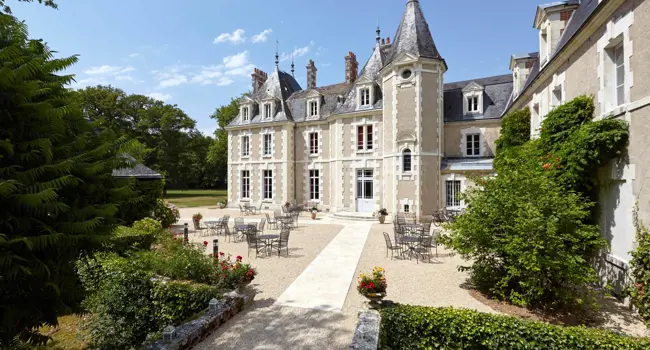
Characterful Caractère hotels along the Loire, in Limoges and among the vineyards of Gaillac.
Profile
For travellers who want to discover a different side of France, away from the usual routes, through quiet regions with medieval villages, craftsmanship and a strong local cuisine.
Day 1: Departure to La Loire
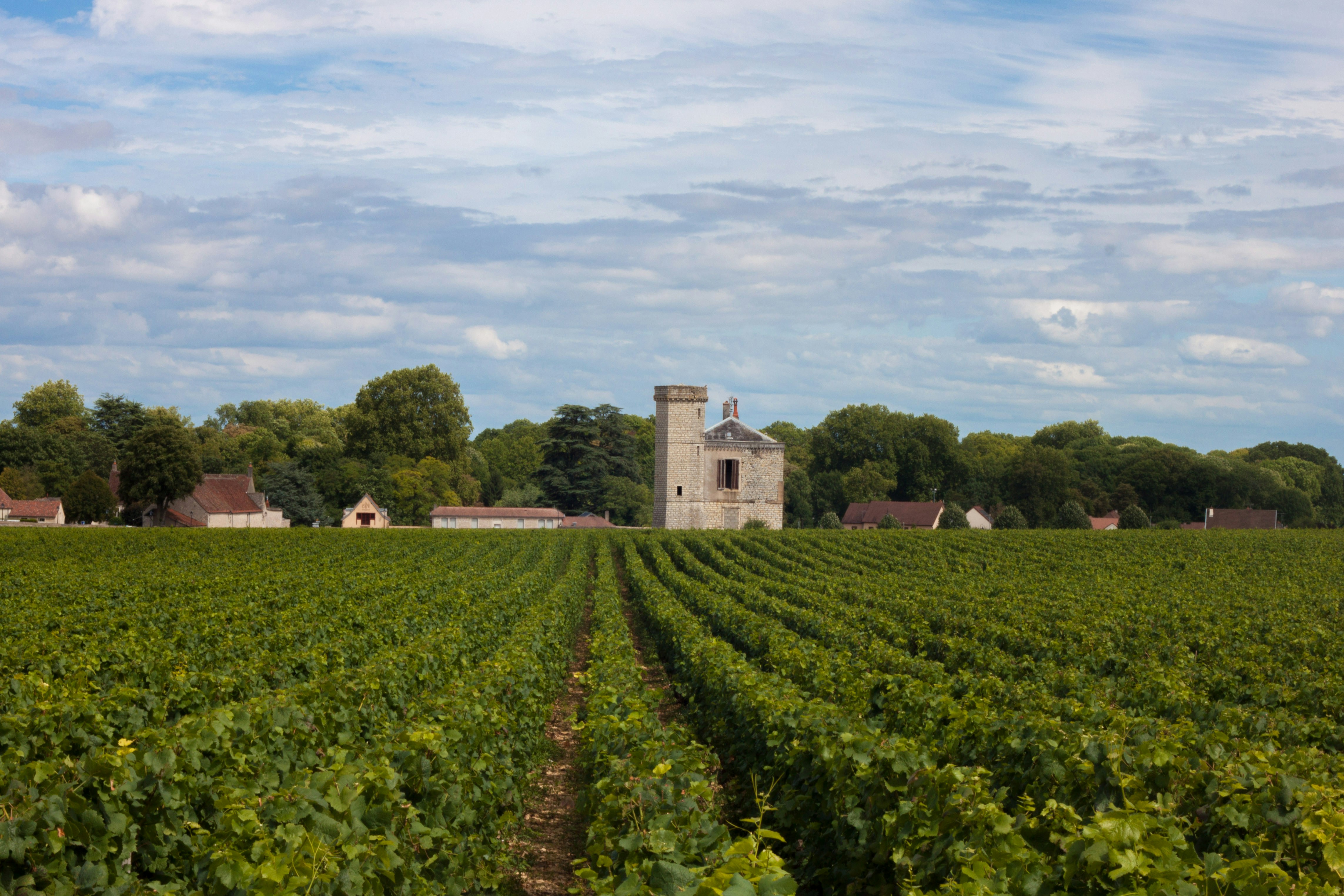
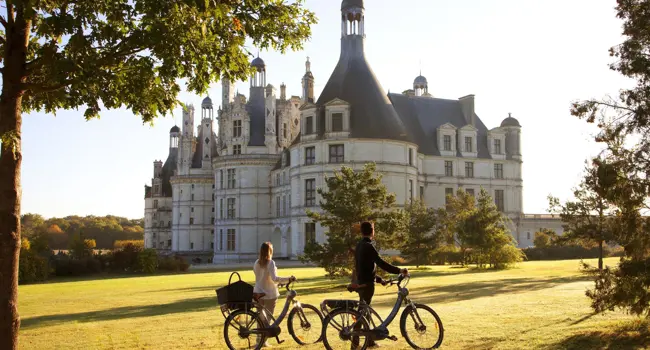
Your vacation to the heart of France can begin. The first stop of your trip is, of course, at one of our Caractère hotels on the Loire River where you will stay for one night.
Day 2: Exploring the city of porcelain, Limoges
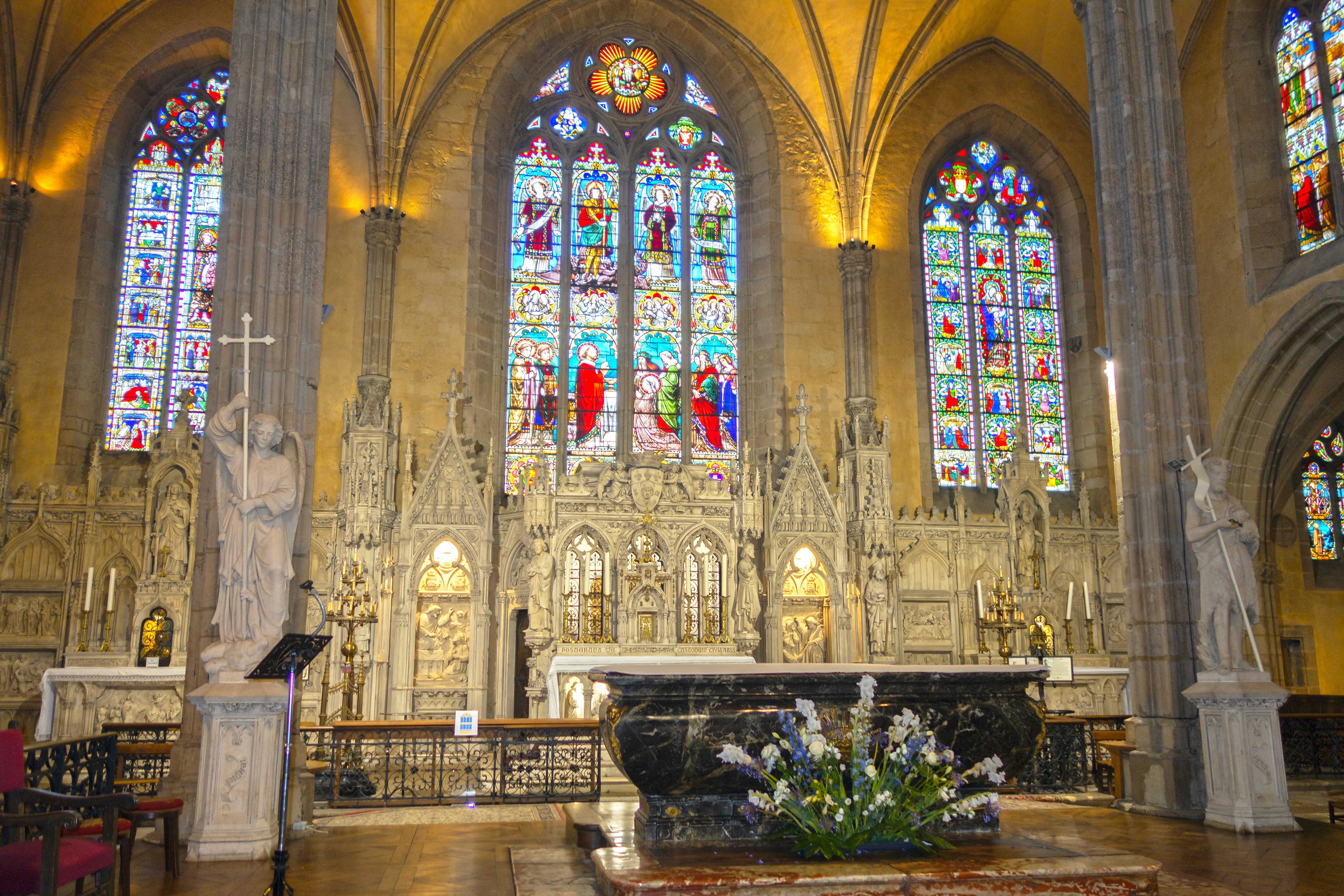
Via Châteauroux, known as "The portal to the heart of France," you will continue on to Limoges. Limoges is best known for its porcelain production and medieval heritage. Limoges porcelain is one of the most prestigious and refined types of porcelain in the world. It has been produced since the 18th century in and around the city known for its high-quality craftsmanship. It was exported to aristocrats and royal houses around the world. At several houses you can visit the production process and even buy hand-painted pieces. The center of Limoges is well worth a visit with a wonderful mix of historical sites such as the Gothic Cathédrale Saint Etienne, cultural experiences, the quaint district "Quartier de la Boucherie" with historic half-timbered houses, narrow streets and squares with numerous restaurants, cafes and terraces. You will stay here for three nights in a Caractère hotel.
Day 3: Oradour-sur-Glane - Château de Rochechouart - Lac de Haute Charente
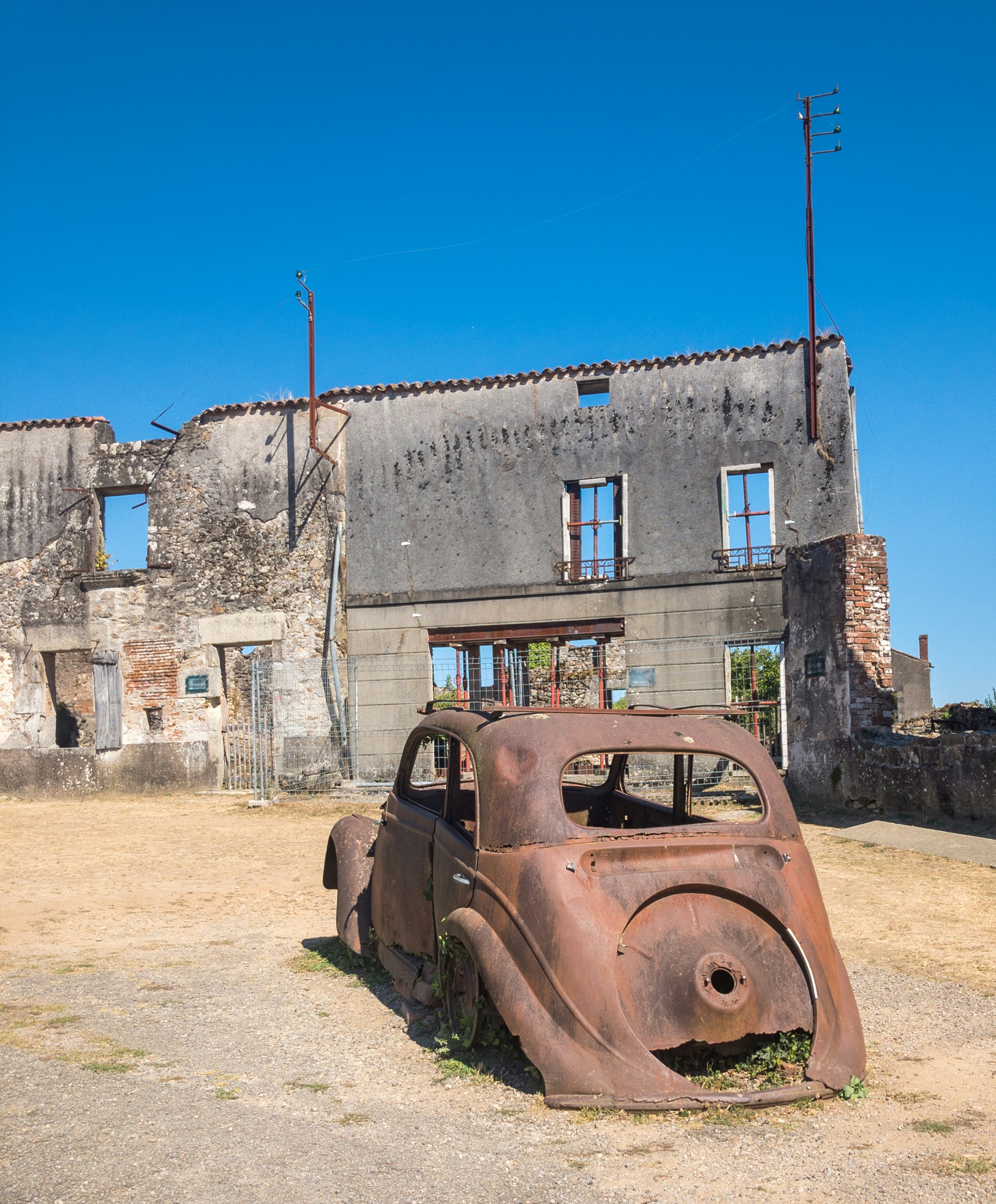
Your day begins with a visit to the historic village of Oradour-sur-Glane, known worldwide for the tragic events that took place there during World War II. It is now a place of remembrance and offers an impressive experience. Continue to the beautifully situated Château de Rochechouart with beautiful views of the surrounding countryside. This castle is famous for the meteorite impact that affected this area about 200 million years ago. The Meteorite Museum has a fascinating exhibit on its impact. The castle itself has an impressive interior and beautiful gardens. Next, head to Lac de Haute Charente, ideal for relaxing. You can go sailing, canoeing, kayaking, windsurfing, swimming, but of course you can also go for a bike ride or a walk along the scenic trails along the lake, through the woods and fields.
Day 4: Discover a piece of Flanders in Aubusson
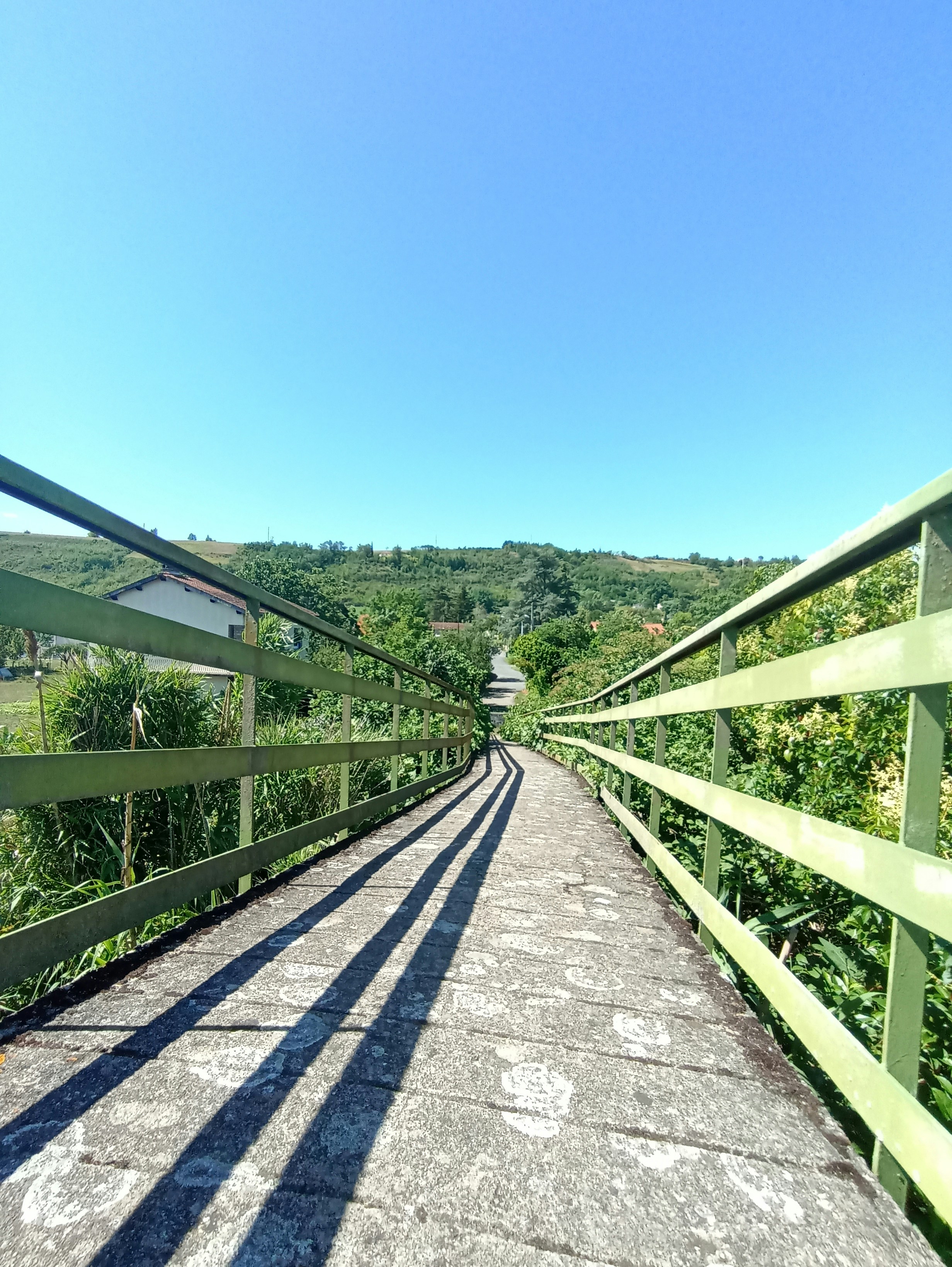
Through the picturesque village of Saint-Léonard-de-Noblat - Unesco World Heritage Site for its ancient Saint-Léonard church and the pilgrim's route to Compostella - with medieval buildings and narrow alleyways, travel to Aubusson. This historic town is famous for its centuries-old carpet weaving where rugs are still made by hand. There is even a link to Flemish carpets. Since there was very much an influence of Flemish weavers on tapestry production in France in the 17th and 18th centuries, Aubusson began producing tapestries in the 18th century that often mimicked the Flemish style, but with the French aesthetic. The French king and noble families had great demand for tapestries, and weavers from Flanders played an important role in the variety and quality of products made in Aubusson. You'll drive back via Aubusson's iconic viaduct, an engineering marvel that was once part of the railroad line, an ideal stop to take a photo of the stunning view of the city and surrounding countryside. Your day ends at the tranquil Lac de Vassivière, with a visit to the Centre d'Art Contemporain de Vassivière. This art center is located on an island in the lake, an interesting place for lovers of contemporary art. Several sculptures and art installations can be found around the lake.
Day 5: Crossing the Périgord
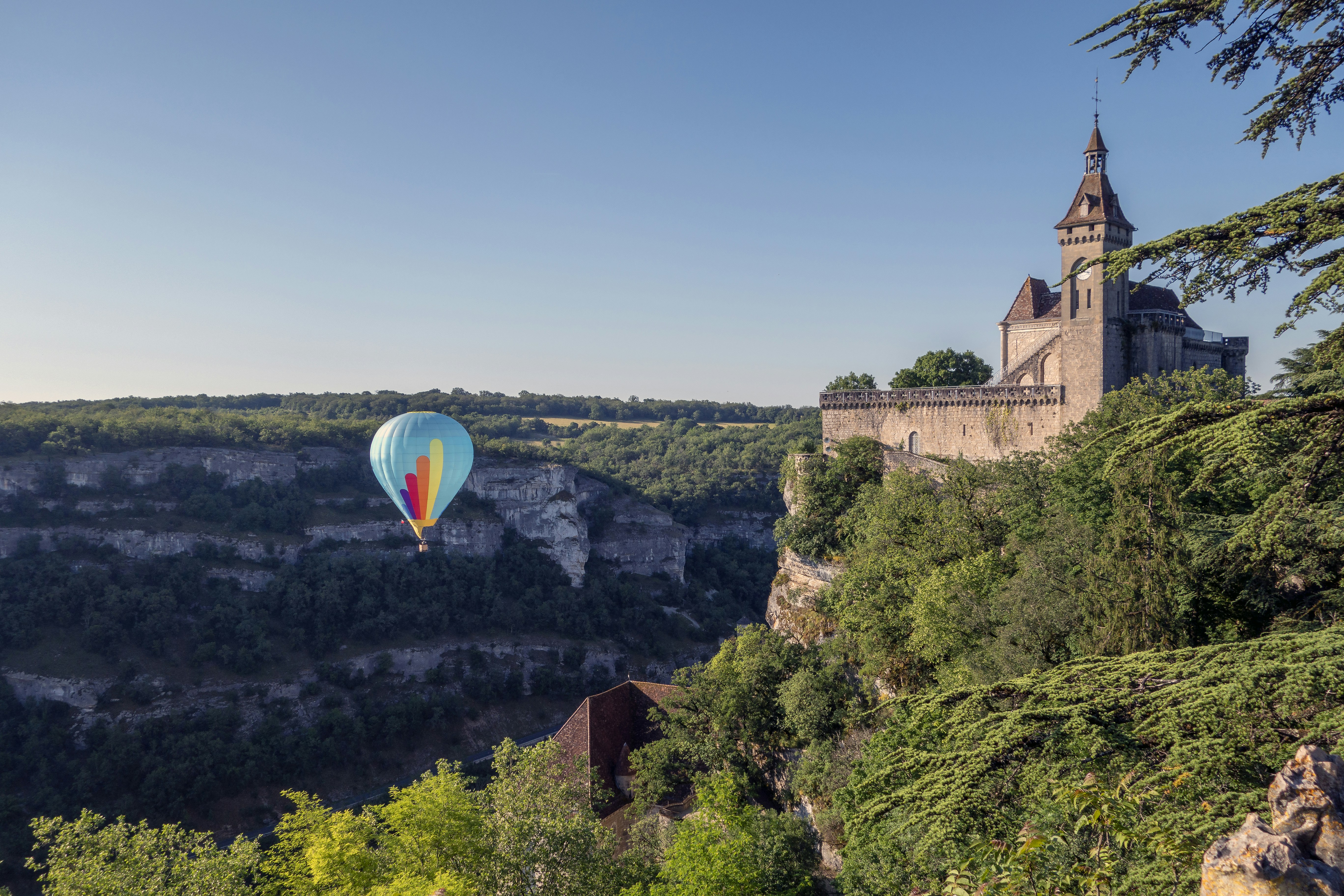
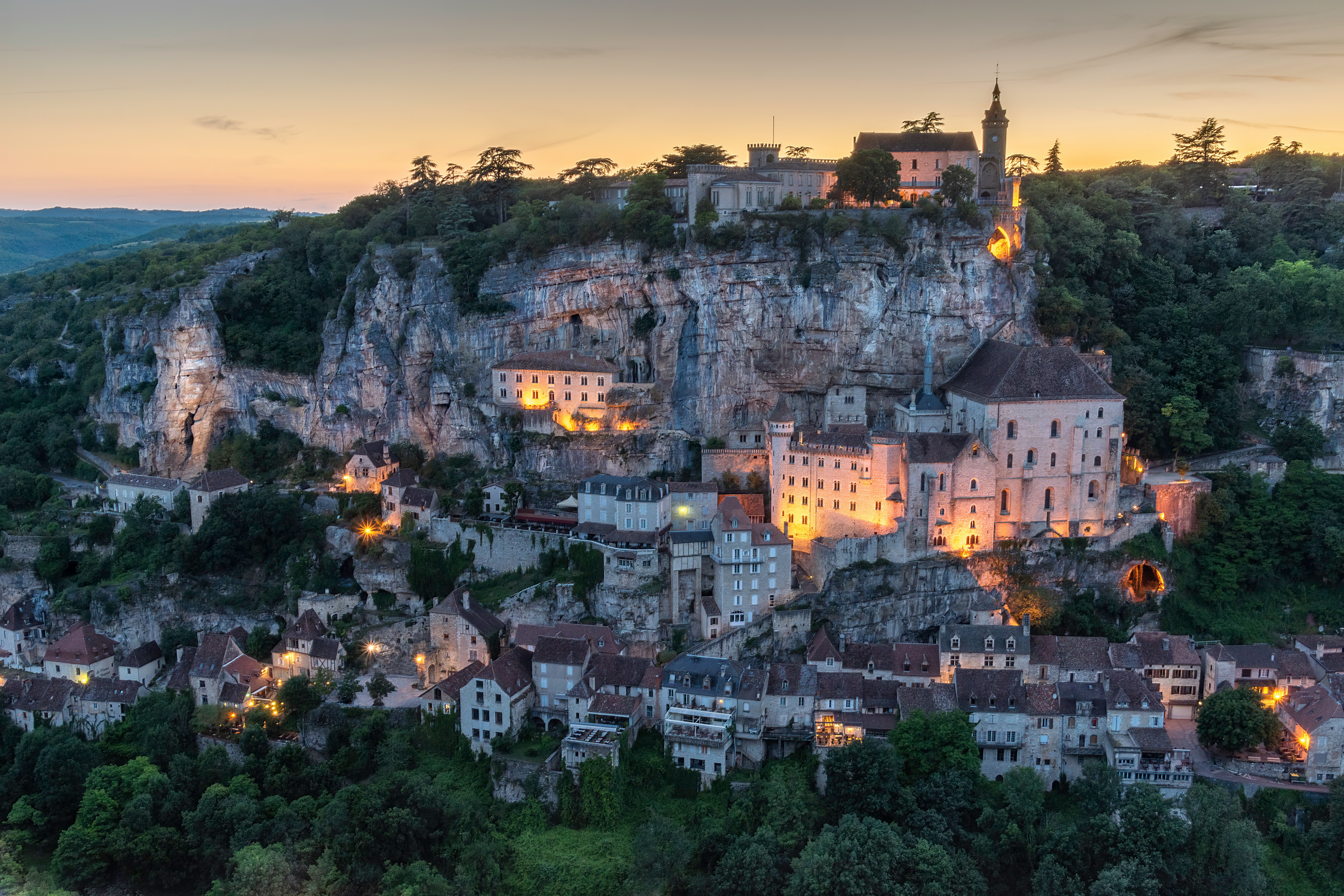
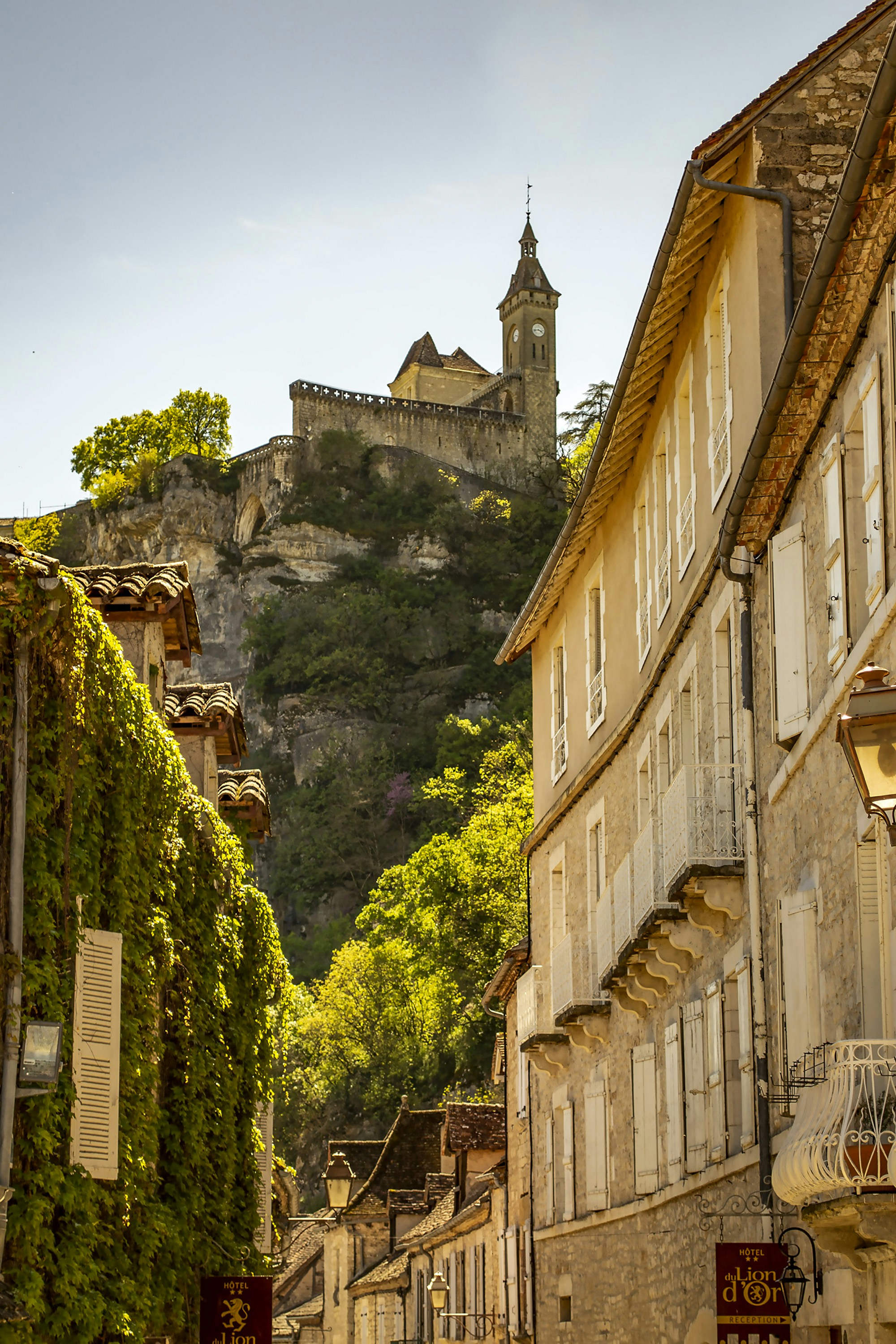
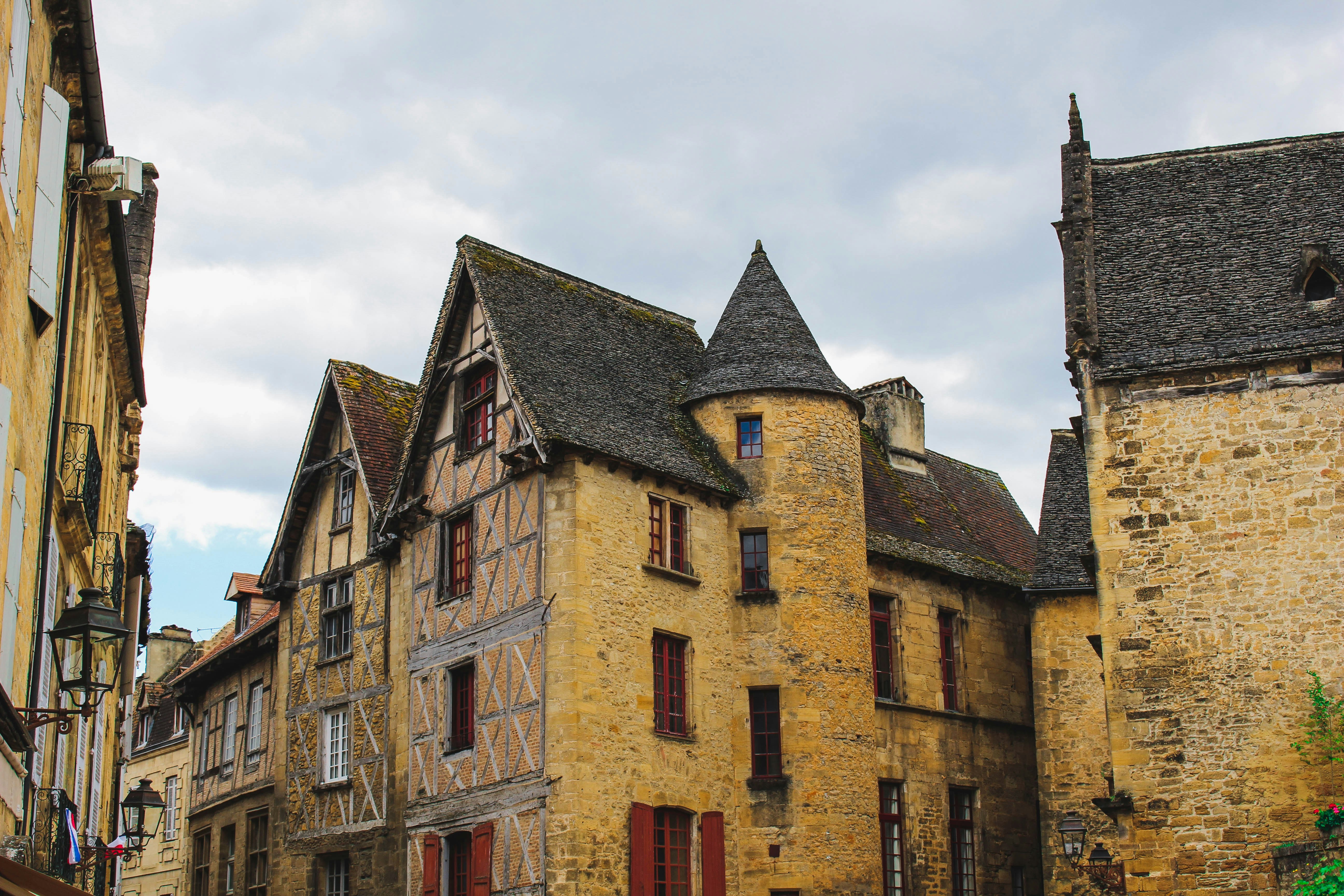
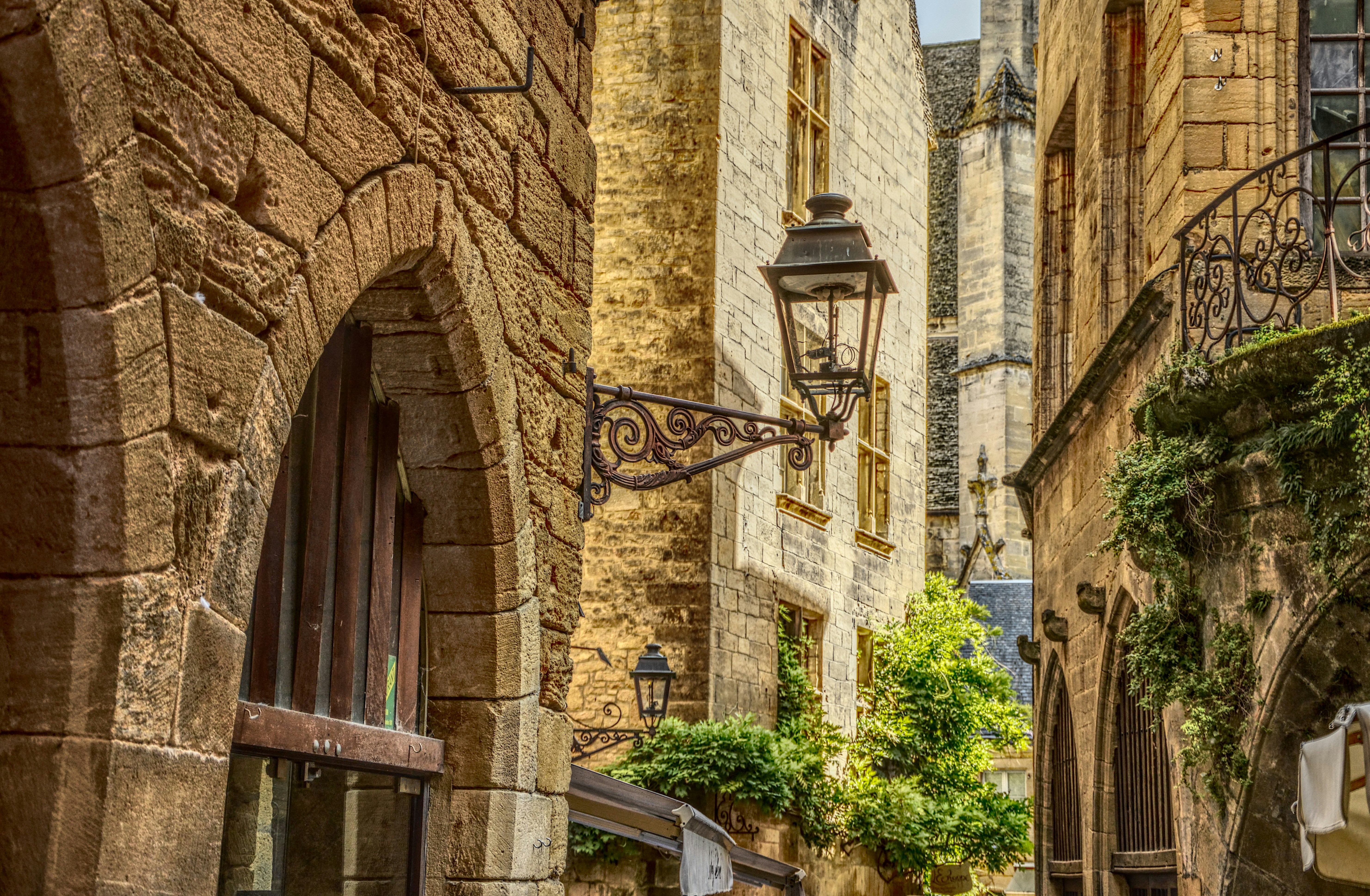
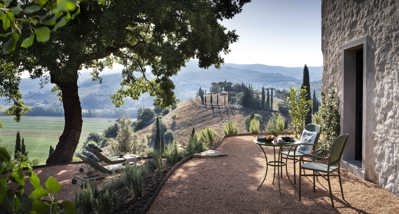
You drive through the wonderful land of truffles and foie gras, the Dordogne/Périgord. A stop can be made in charming Sarlat-la-Canéda with its enchanting atmosphere or in Rocamadour, one of France's most iconic and spectacularly located villages, perched on a steep rocky cliff above the Alzou River. You will continue to the heart of the Gaillac wine region where you will spend three nights in a Caractère hotel surrounded by picturesque vineyards and beautiful nature.
Day 6: Albi and Cordes-sur-Ciel
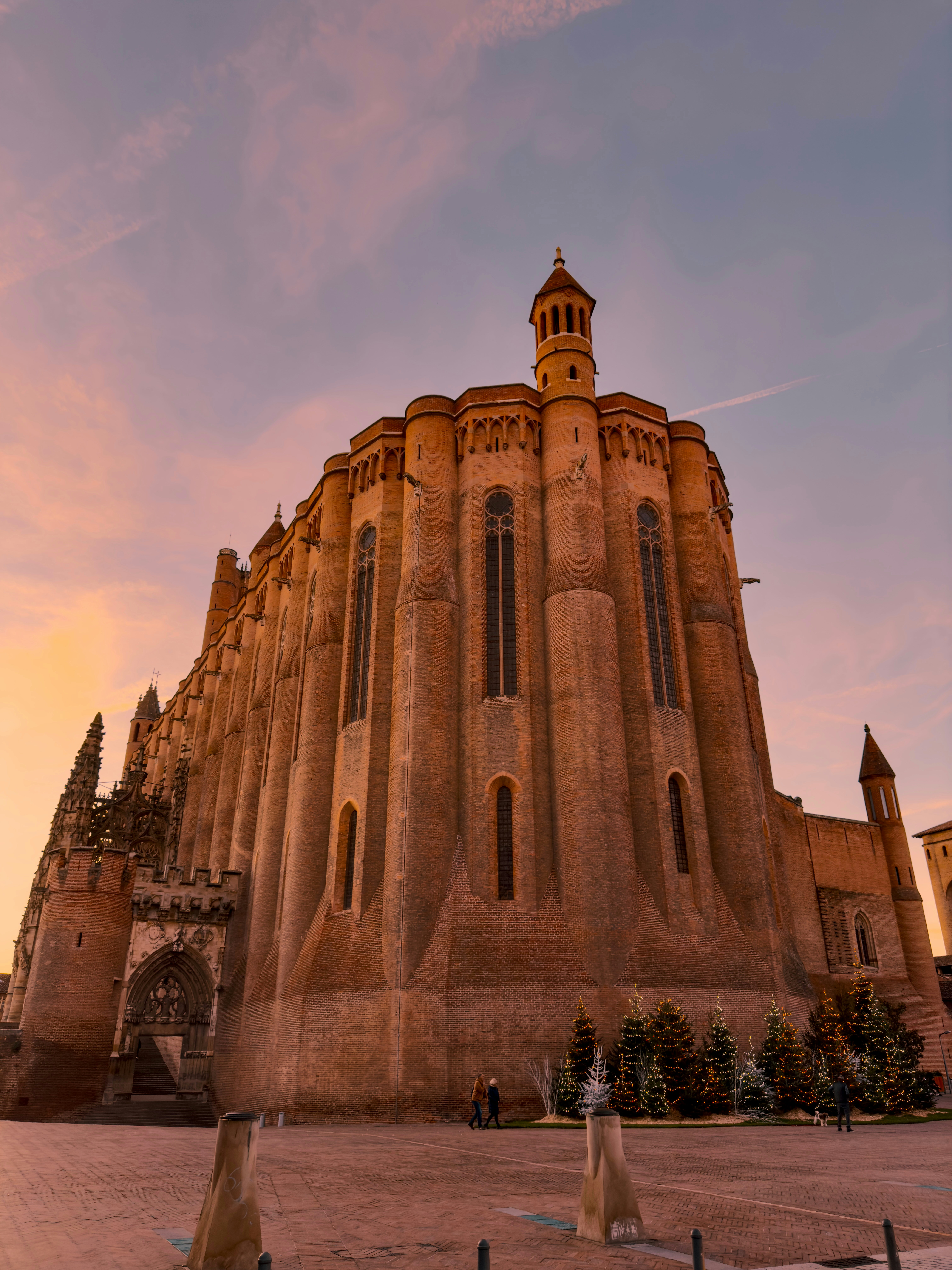
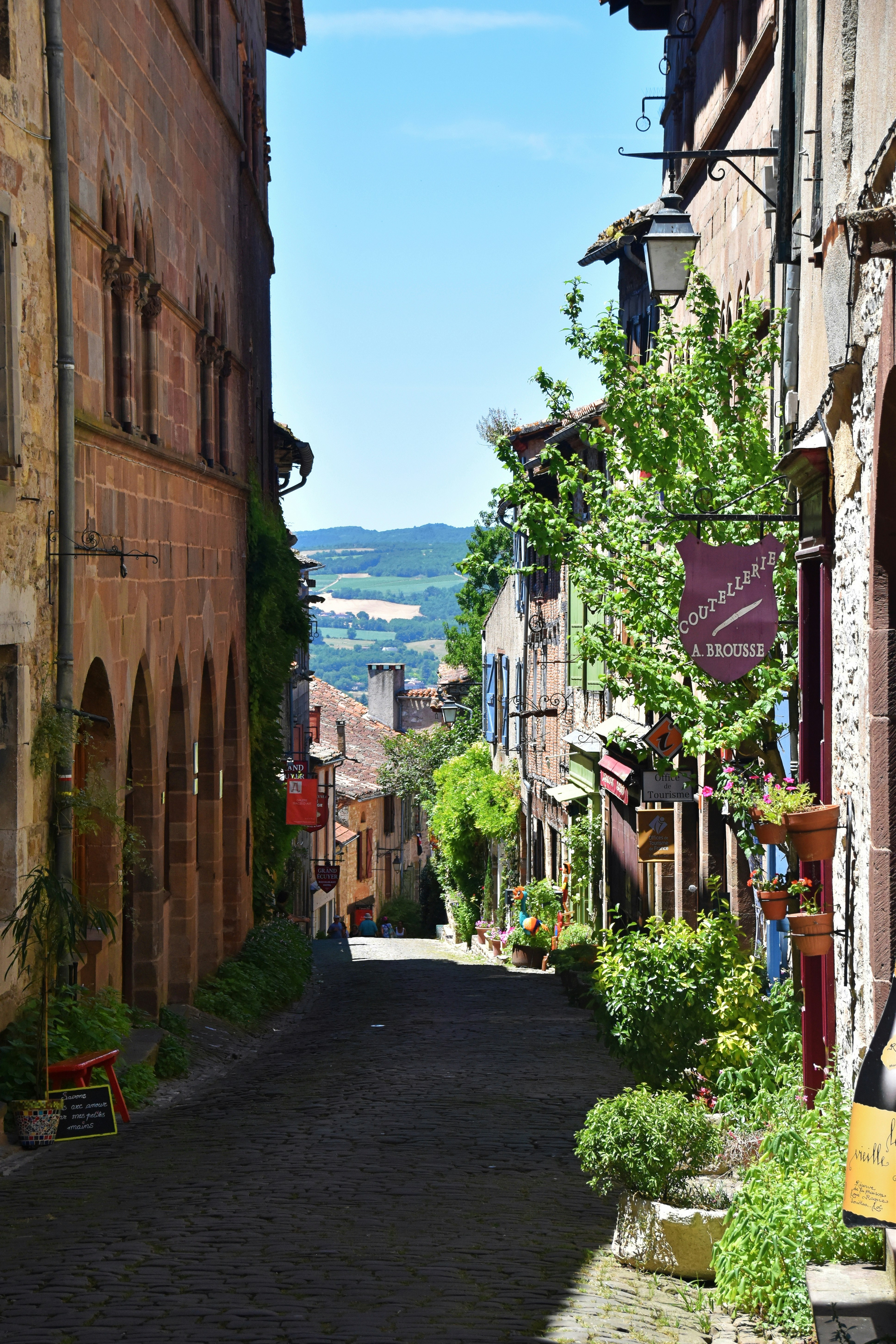
You follow the winding Tarn to Albi, the most vibrant city on its shores. Albi gave its name to the "Albigensians," formidable "Cathar heretics" whose faith challenged the Catholic Church in turbulent times. Albi is also the city of Toulouse-Lautrec, his museum is not to be missed. Walking in Albi is pure enjoyment. Via the thousand-year-old Pont Vieux you reach the medieval cité around the giant cathedral of Sainte-Cécile and the impressive bishop's palace. After your visit, drive north to le Pays des Bastides Albigeoises, a region of fortified 13th-century towns where the medieval character is remarkably well preserved. Cordes-sur-Ciel is one of the most beautiful and is also located in a sublime landscape.
Day 7: Toulouse and the Canal du Midi
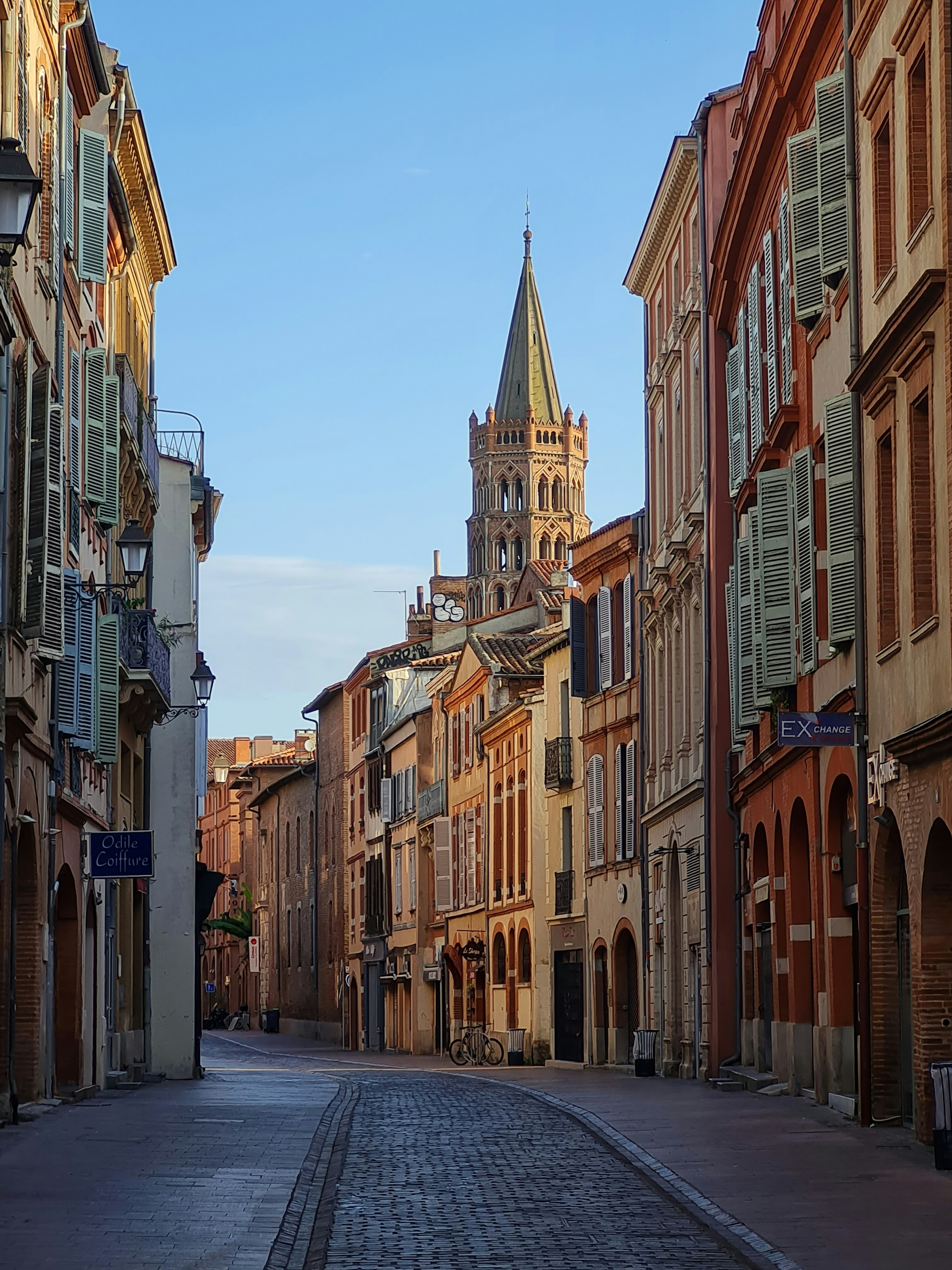
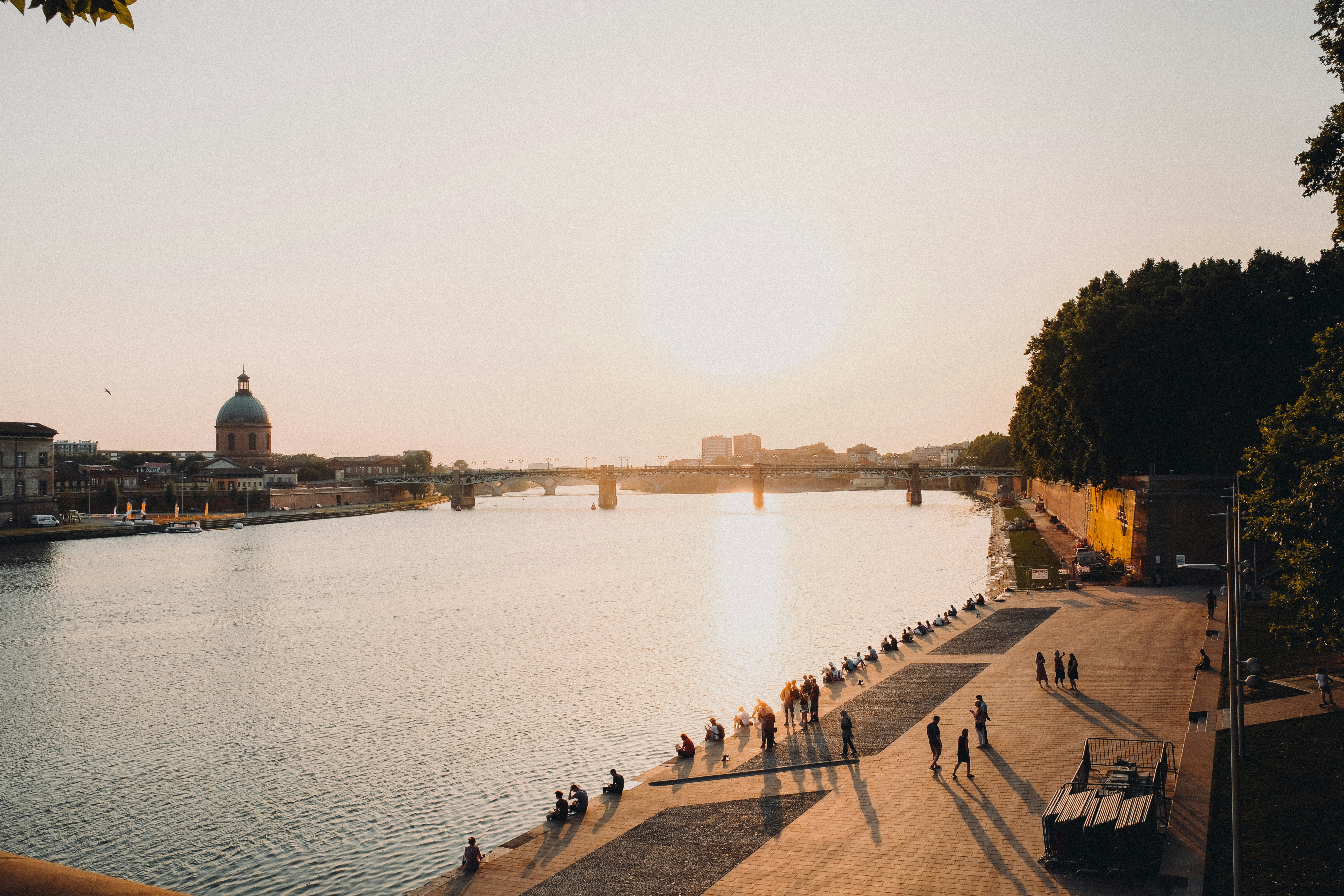
The "pink" university town with its old bridges over the Garonne is really worth a visit, you will find, among other things, the most beautiful Romanesque church in southern France, the Basilica St. Sernin. The shady plane trees along the Canal du Midi form a green oasis in the city. At Seuil de Naurouze, you will discover how 17th-century canal engineers ingeniously managed to overcome a seemingly insurmountable watershed when building the canal.
Day 8: Back home
Your trip is unfortunately over; today you return home. If you still have the desire and time to enjoy your vacation a little longer, we recommend a stopover at one of our hotels in Burgundy.
What budget should you expect?
For this journey, you can expect a price starting from € 4,250 for two people. This is based on a double room with breakfast. The exact price will depend on the period you travel, your final choices, and any optional extras.
Frequently asked questions about this trip
Do you need a rental car for this trip?
Yes. A car makes it easy to reach villages, vineyards and sights that are not accessible by public transport.
What is the best time to travel?
April to November is ideal. Summer brings long days and lively villages, while spring and autumn are quieter.
What makes this region different from other parts of France?
You are away from the crowds here. The focus is on small villages, craftsmanship such as porcelain and tapestry, and local products like wine, truffles and foie gras.
Who is this trip for?
For travellers who enjoy driving through quiet regions, love culture and gastronomy, and prefer to avoid busy tourist destinations.
Why book with Caractère?
- Best price guarantee
- Caractère extras
- Just one phone call or email away from our enthusiastic travel experts
- Pay safely
- No extra or hidden fees