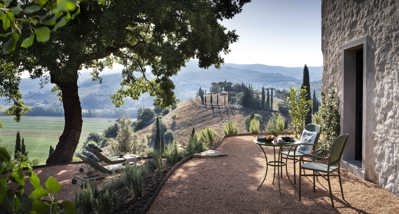
Route
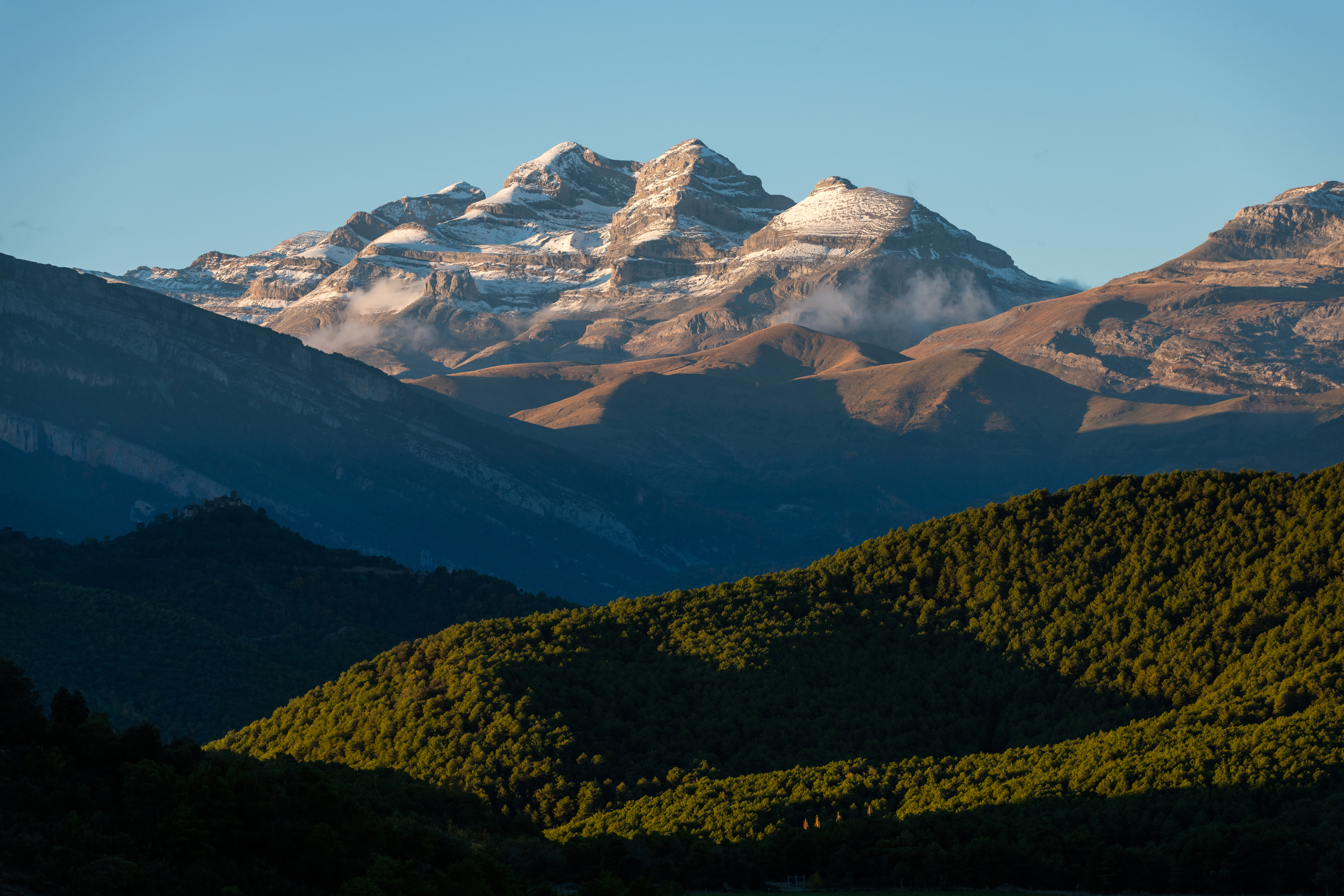
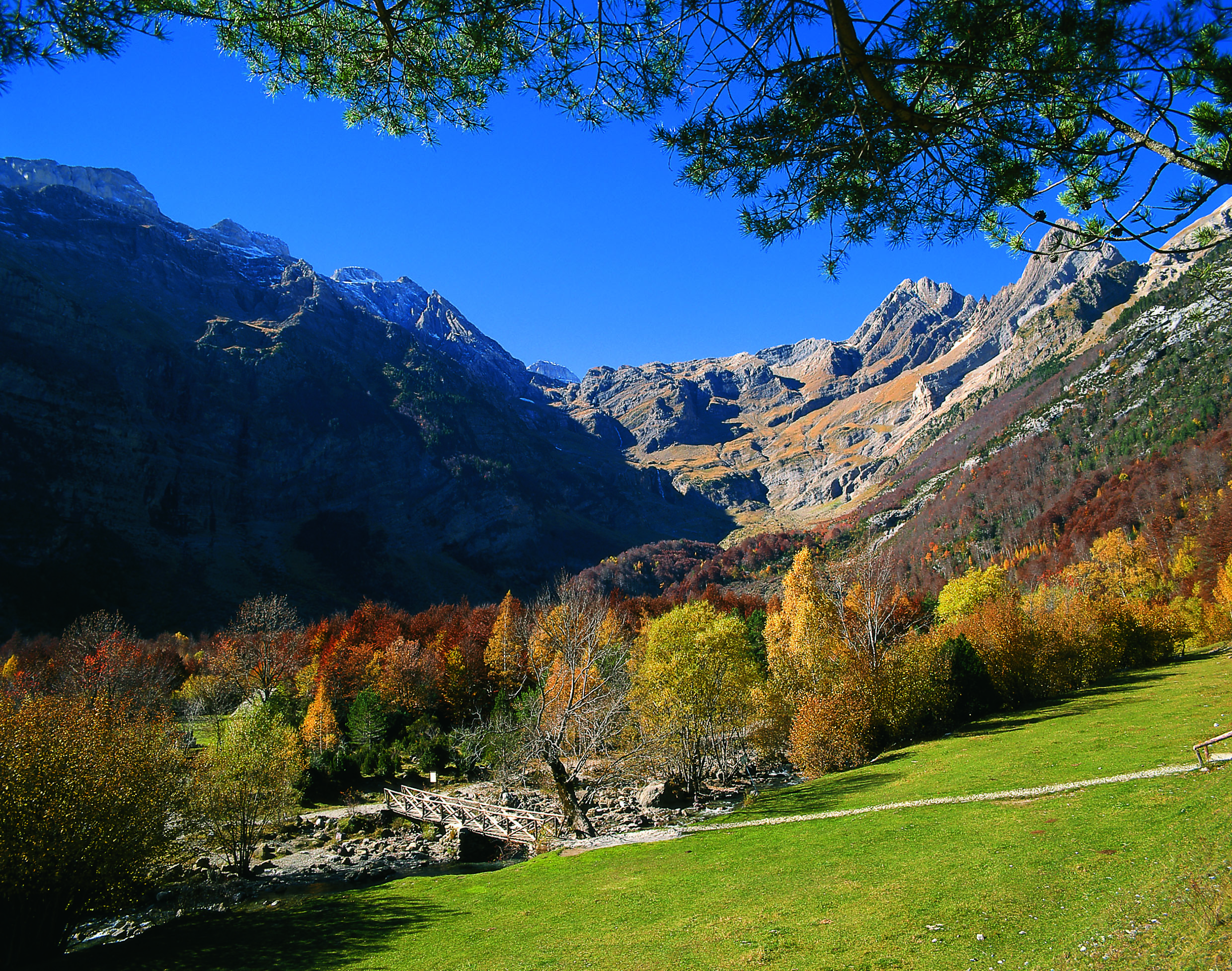
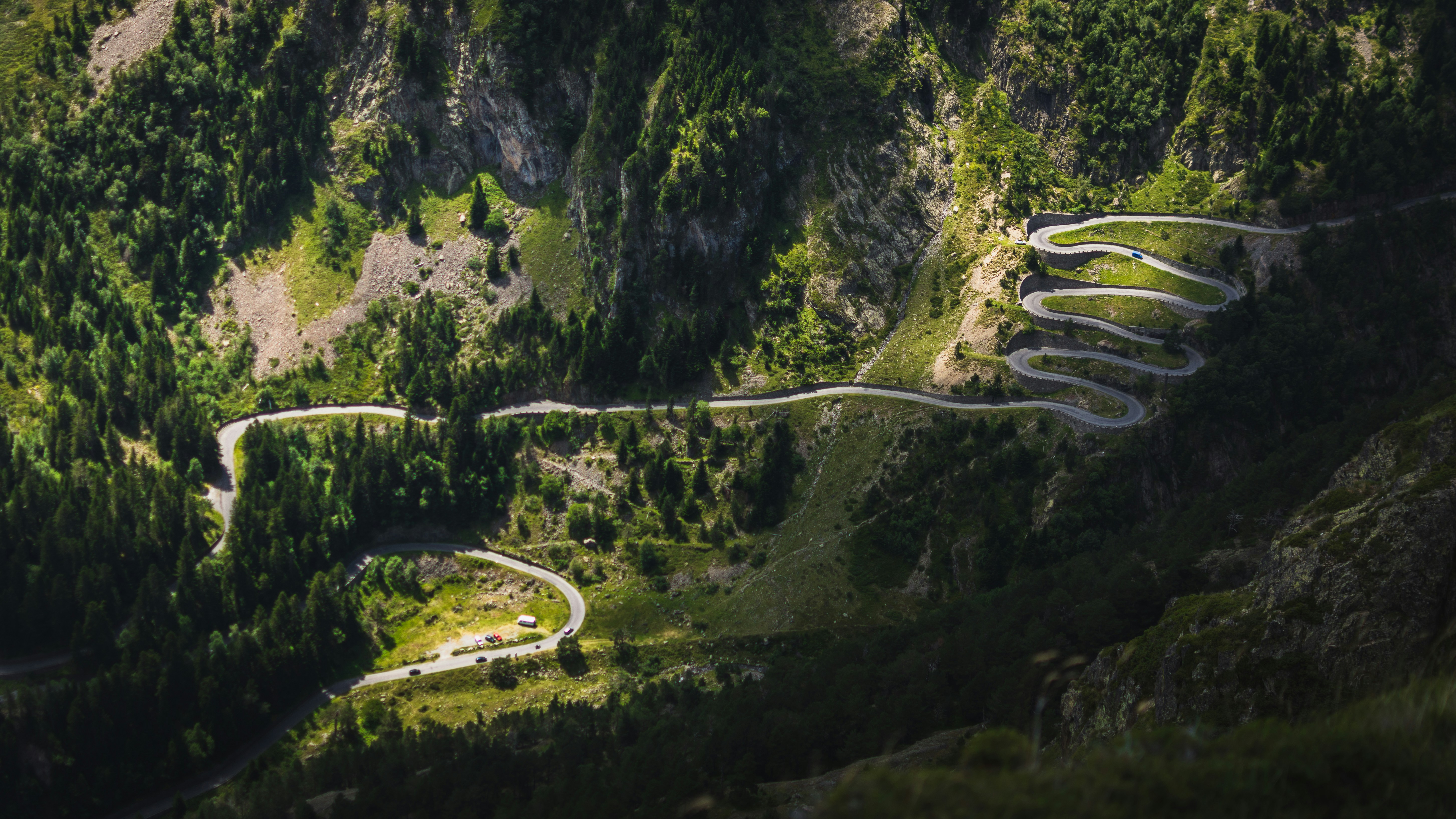
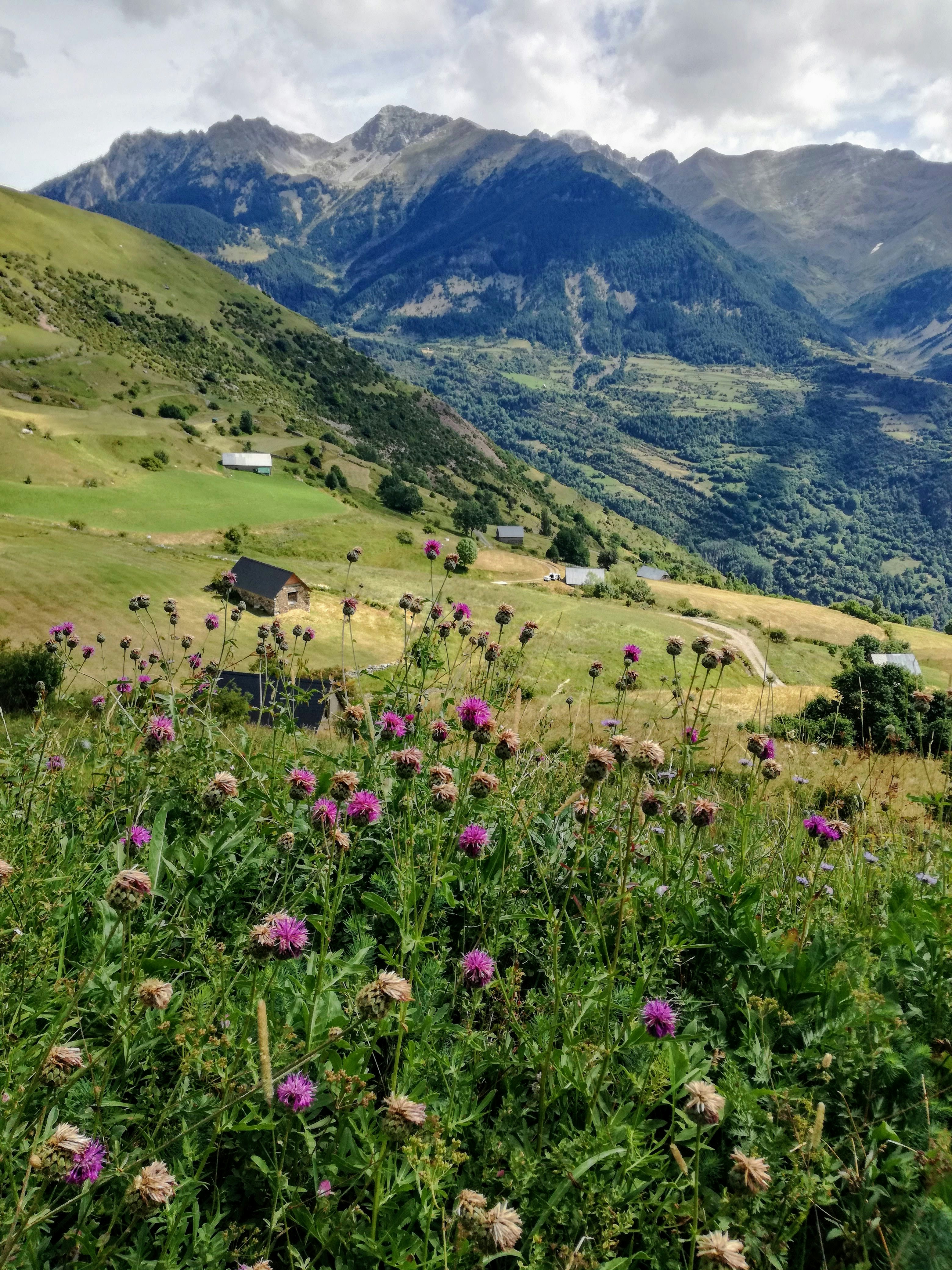
You travel to the Aragonese Pyrenees in northern Spain, close to the French border. From Canfranc Estación, you head into the mountains for hikes in the Aspe Valley, Ordesa y Monte Perdido National Park and the Tena Valley.
Pace
An active trip filled with hikes and outdoor activities in the mountains. Hiking is combined with canyoning, rafting or kayaking, while you return to the same base each evening.
Highlights
The Chemin de la Mâture along steep cliff faces, the Senda de los Cazadores in Ordesa National Park and the views from Pico de los Monjes. In addition, canyoning through mountain gorges and kayaking on Lake Lanuza.
Accommodation
Six nights at Canfranc Estación, a Royal Hideaway Hotel. This historic railway station has been fully restored and now serves as a unique base in the heart of the Pyrenees.
Profile
For travellers who enjoy hiking in the mountains and appreciate comfort after an active day.
Day 1: Arrival and introduction to the surroundings
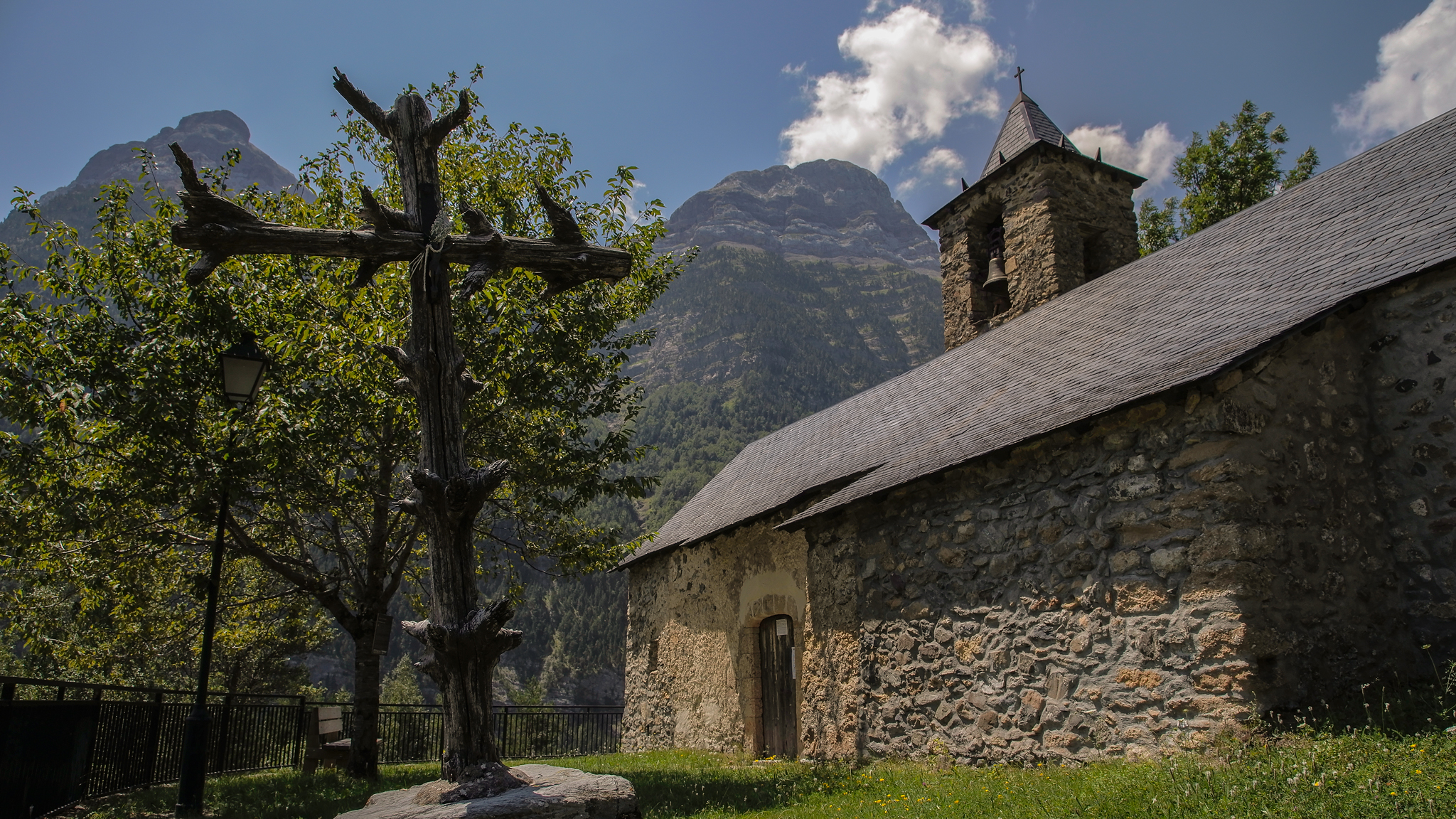
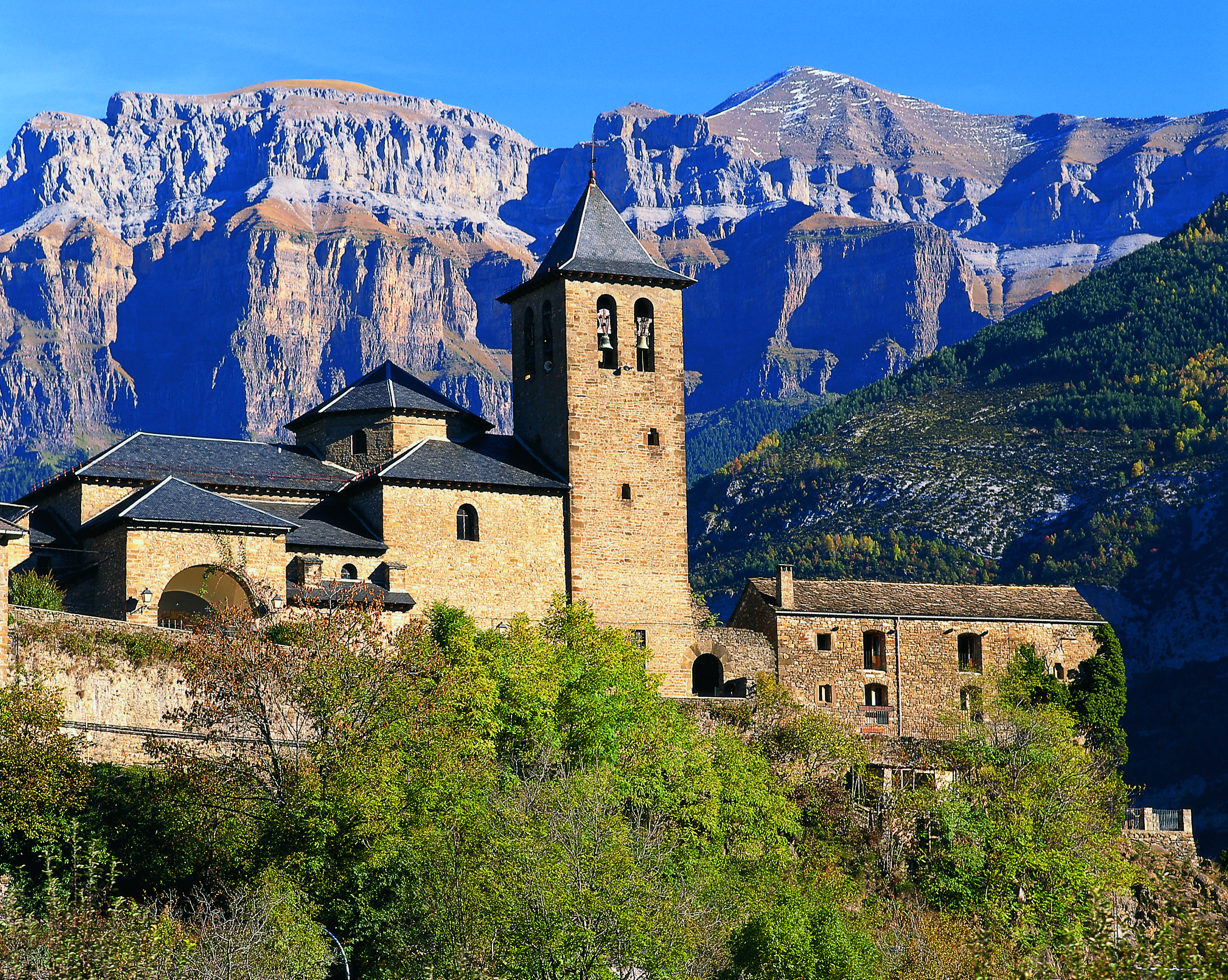
When it opened in 1928, Canfranc Estación was the largest railway station in Europe. Its connection between Spain and France through the Pyrenees made it a major hub until services stopped in 1970. The restoration into a hotel has largely preserved its original architecture. After arrival and check-in, you walk to the Cascada de la Chorrota, a waterfall located a short distance from the village. The trail leads through pine forest and along mountain streams, a landscape you will encounter frequently in the days ahead.
Day 2: Chemin de la Mâture, French Pyrenees
You cross the border into the Aspe Valley. The Chemin de la Mâture is a path carved directly into the rock face in the 18th century to transport pine logs from the mountain slopes to the plains for the French navy. The trail runs along a steep cliff high above the valley. If you extend the route, you reach Ibón de Estanés, a high-altitude glacial lake that can still be partially frozen early in the season.
Day 3: Senda de los Cazadores, Ordesa y Monte Perdido
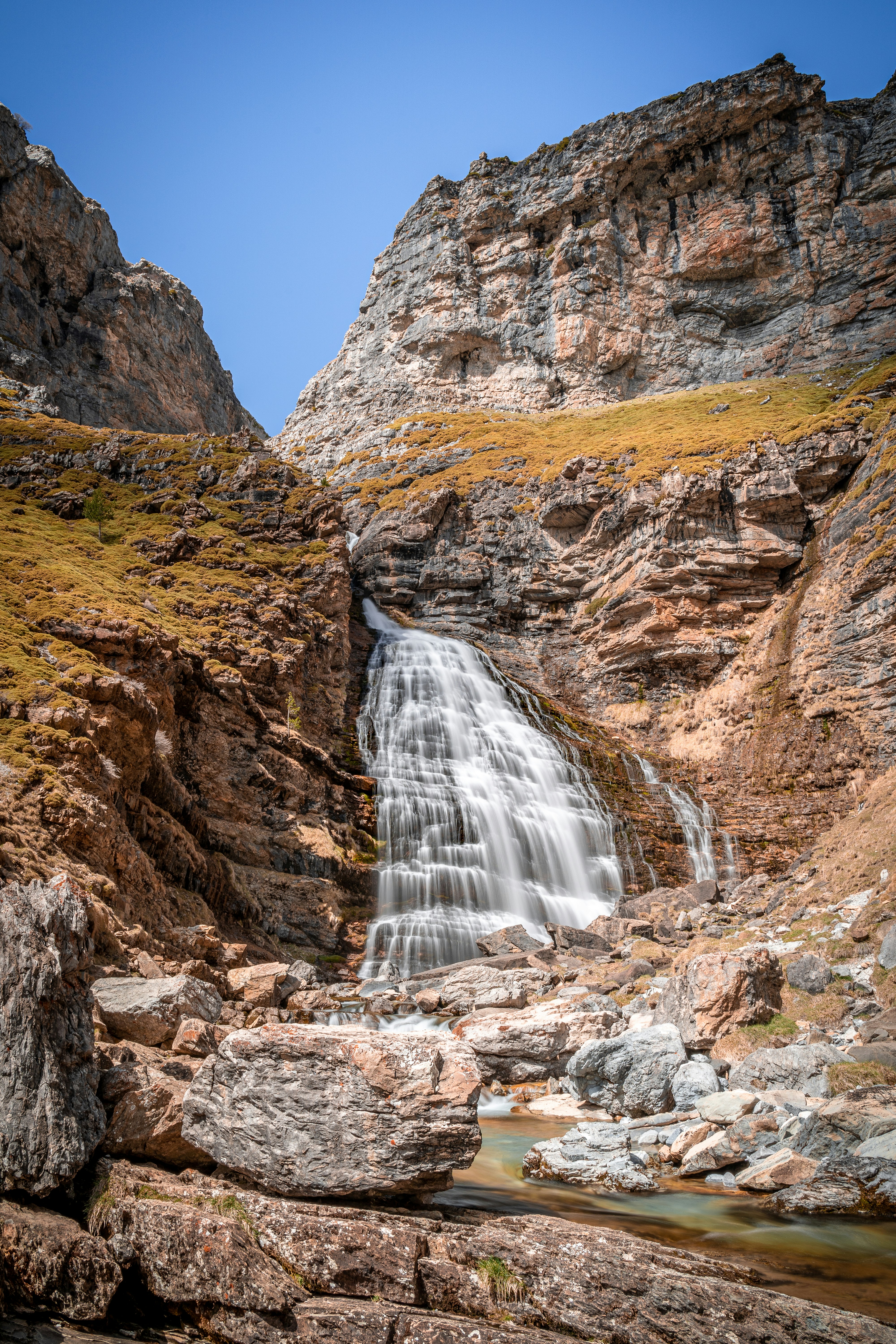
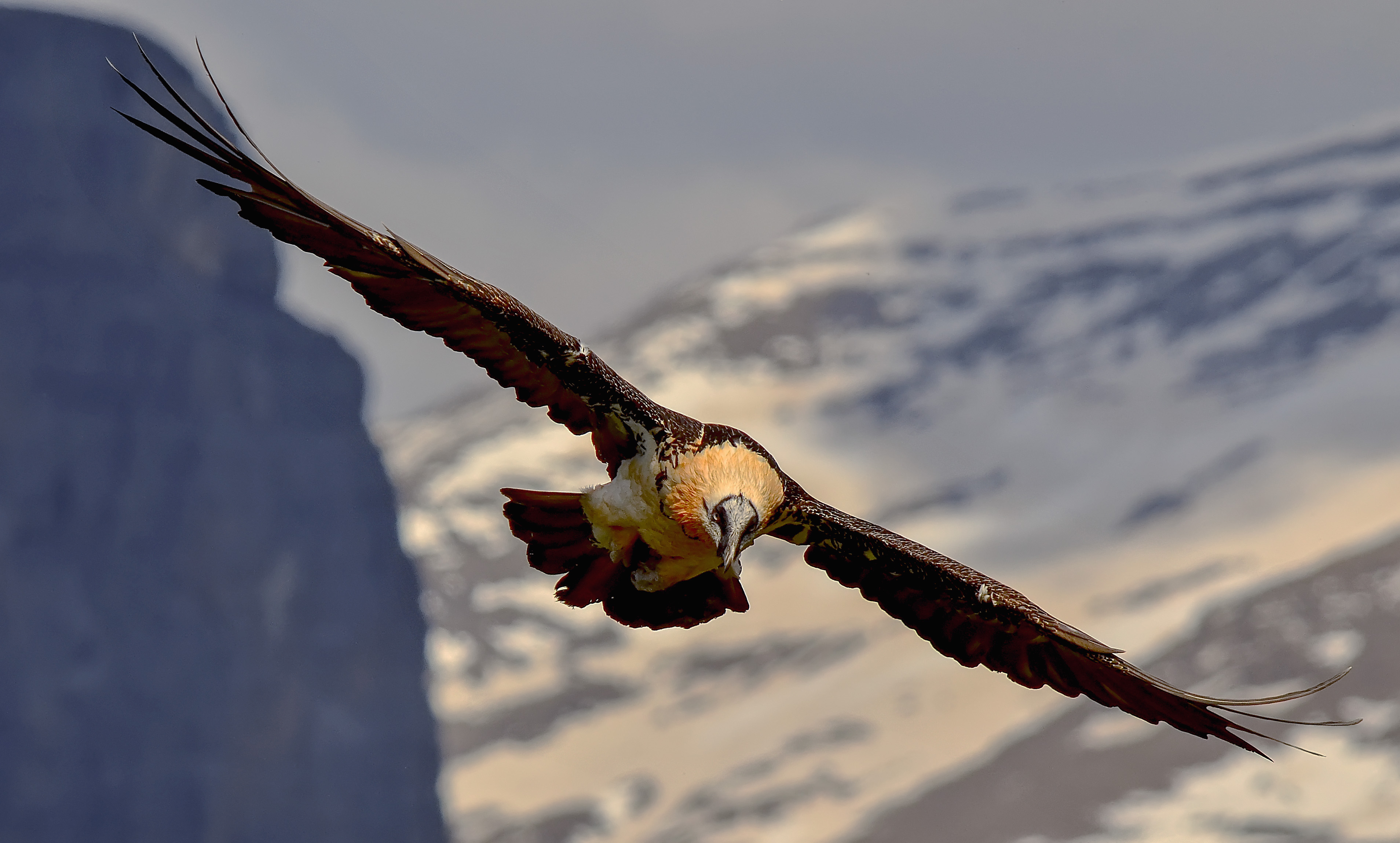
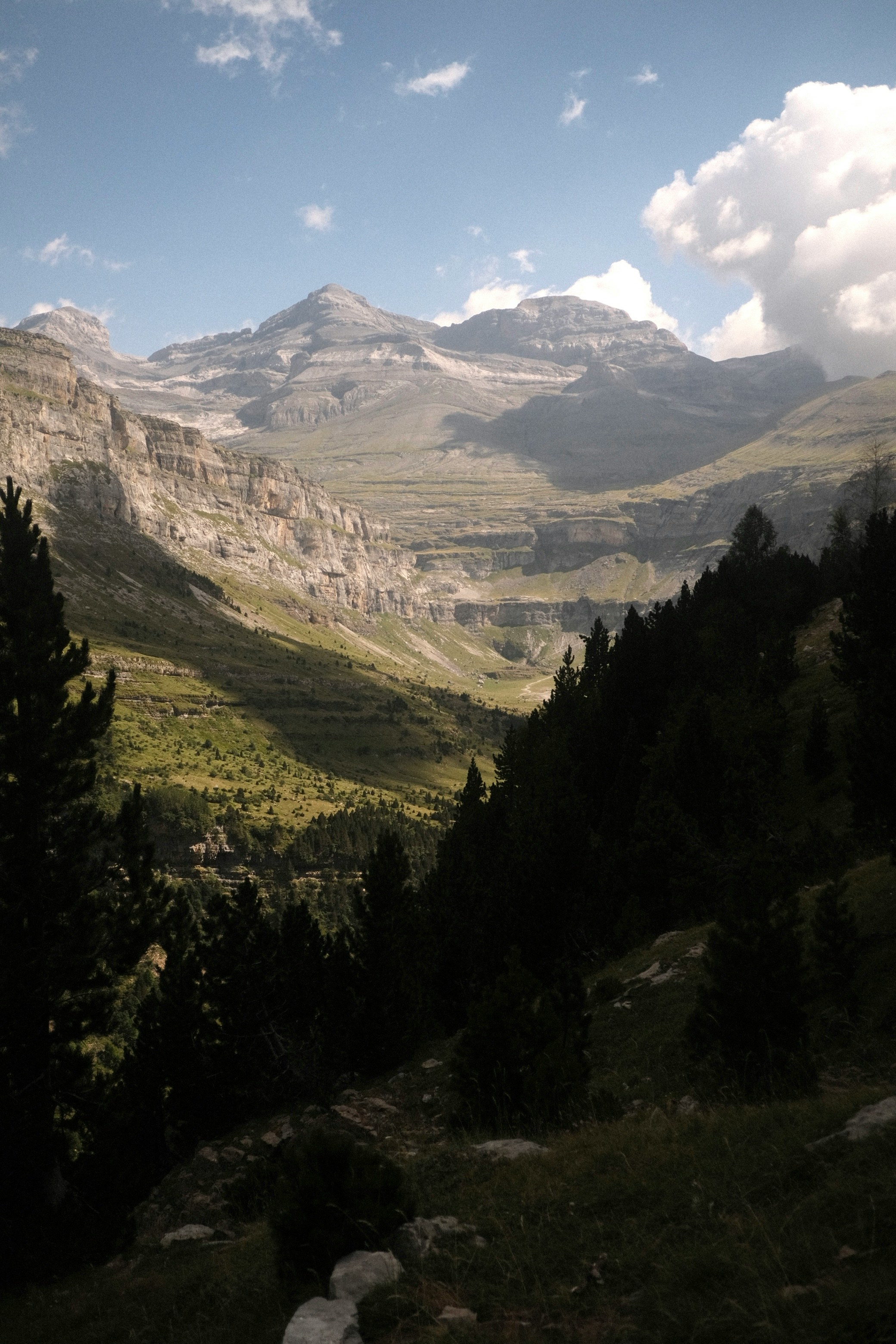
Ordesa y Monte Perdido National Park is a UNESCO World Heritage Site and attracts many visitors each year. The Senda de los Cazadores rises above the Ordesa Valley and avoids the crowds on the valley floor. From the Faja de Pelay, you follow a high ledge towards the Cola de Caballo waterfall. The limestone canyon reaches depths of several hundred metres here. Vultures and bearded vultures often circle above the cliffs, with wingspans reaching nearly three metres.
Day 4: Canyoning and white-water rafting on the Río Aragón
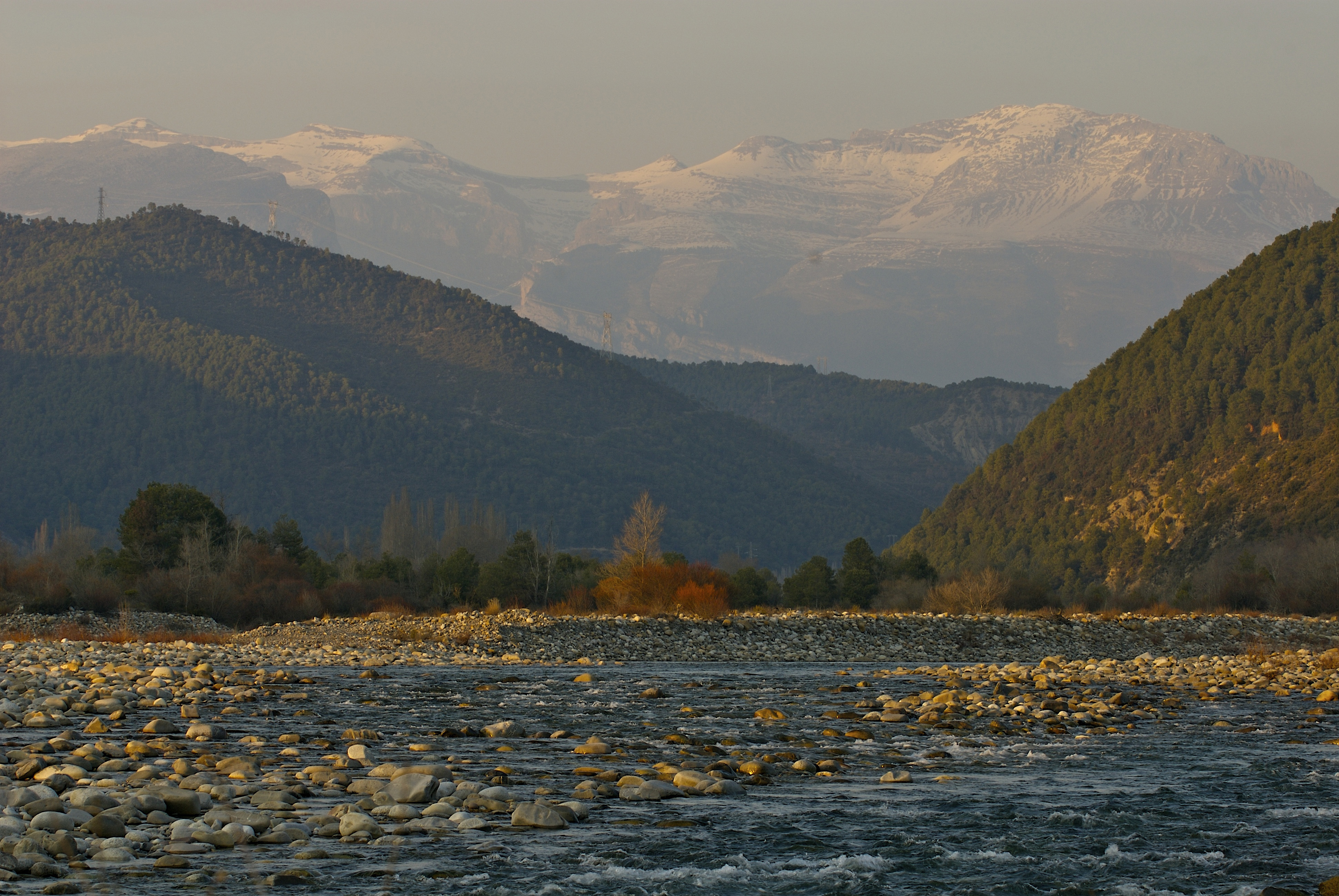
Thanks to snowmelt and steep valleys, the Pyrenees offer ideal conditions for white-water sports. In the Río Aragón area, you go canyoning in the Boca del Infierno, a gorge accessible only via the water. You descend along natural slides and small waterfalls. Afterwards, you can go rafting on the river, where the rapids depend on the water flow from the surrounding mountains.
Day 5: Kayaking and zipline in the Tena Valley
The Lanuza reservoir lies at the foot of Peña Foratata, a striking rock formation dominating the Tena Valley. On its turquoise waters, you can kayak or paddleboard. At the edge of the lake, you find the Tirolina Valle de Tena, with two parallel lines stretching over more than a kilometre, making it the longest double zipline in Europe.
Day 6: Mountain hike to Pico de los Monjes
From the Astún ski area, you take a chairlift up to the ridge on the border with France. From there, you follow the border trail towards Pico de los Monjes at 2,349 metres. The views stretch across the central Pyrenees on both sides. Back in Canfranc Estación, you end the day in the hotel spa.
Day 7: Departure via Villanúa
Breakfast is served in the former restaurant carriages of the station. On your way back, you can stop in nearby Villanúa, where the Cuevas de las Güixas form a network of limestone caves once used as shelter by shepherds and smugglers.
What budget should you expect?
For this journey, you can expect a price starting from € 3,200 for two people. This is based on traveling with your own car and bed & breakfast accommodation. The exact price will depend on the period you travel, your final choices, and any optional extras.
Frequently asked questions about this Pyrenees trip
When is the best time to travel to the Aragonese Pyrenees?
The best period runs from May to October. During these months, most hiking trails are free of snow and conditions are ideal for activities such as canyoning, rafting and kayaking. Spring brings melting snow and green valleys, while summer and early autumn offer stable weather and clear views.
How challenging are the hikes during this trip?
The hikes are active but manageable for anyone who walks regularly. Some routes include steeper sections and elevation gain, but no technical climbing experience is required. A good basic fitness level and proper hiking shoes are sufficient.
Where do you stay during this trip?
Throughout the journey, you stay at Canfranc Estación, a Royal Hideaway Hotel. This former international railway station from 1928 has been fully restored into a luxury hotel and is perfectly located for exploring the Aragonese Pyrenees.
What activities are included besides hiking?
In addition to mountain hikes, the trip includes several water-based activities. You go canyoning in a mountain gorge, rafting on the Río Aragón and kayaking on Lake Lanuza. These experiences offer a different perspective on the Pyrenees landscape.
Why book with Caractère?
- Best price guarantee
- Caractère extras
- Just one phone call or email away from our enthusiastic travel experts
- Pay safely
- No extra or hidden fees