Route
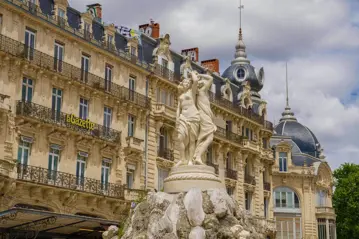
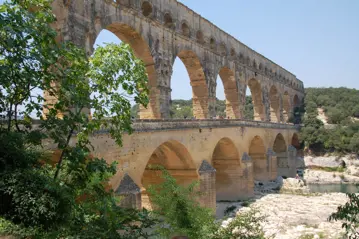
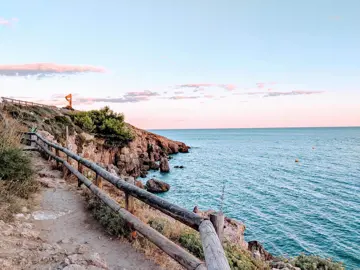
You start near Montpellier and travel through the Camargue, Sète and Béziers before heading inland towards vineyards and medieval towns like Albi and Cordes-sur-Ciel. Via Carcassonne and Toulouse, you continue to Bordeaux and finish on the Atlantic coast in Arcachon.
Pace
You stay in four locations, with several nights in each. This keeps the journey relaxed and gives you enough time to explore every region without long or tiring drives.
Highlights
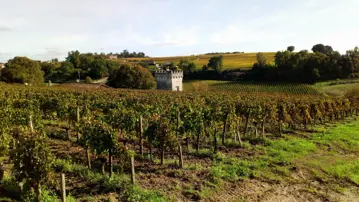
Carcassonne and Albi take you back to medieval times, while you taste oysters from the Bassin de Thau to Arcachon and drive through vineyards from Minervois to Médoc. The Camargue, Toulouse and the Dune du Pilat add variety along the way.
Accommodation
Four characterful hotels, each well located for day trips. You change hotels only a few times and explore each region from one base.
Profile
Looking for variety? You move from nature to culture and great food, without the trip ever feeling rushed.
Day 1: Departure to Montpellier
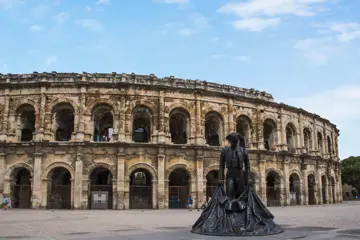
Today your adventure is about to begin, you will leave for Nîmes, the starting point of your journey. You will stay three nights at a Caractère hotel near Montpellier.
Day 2: Sète and the Bassin de Thau
You will drive to the picturesque fishing port of Sète, home of Georges Brassens, also called the Venice of the Mediterranean, with le Mont-Saint Clair as your panorama. The inland sea of the Bassin de Thau behind it is one big oyster farm. In Bouzigues, the centre of oyster and mussel farming, you can visit the oyster museum to compare its taste with the Atlantic one. The fishing villages of Mèze and Marseillan take you along the coast to Cap d' Agde and the sunny Cathar city of Béziers where you can stroll under the plane trees on the famous boulevard Paul-Riquet. In this area, be sure to taste the typical 'Minervois'. You will stay three nights in Cahuzac-sur-Vère.
Day 3: The Camargue
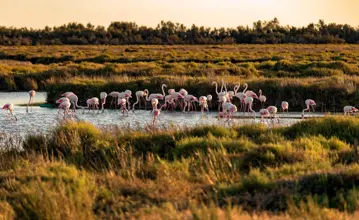
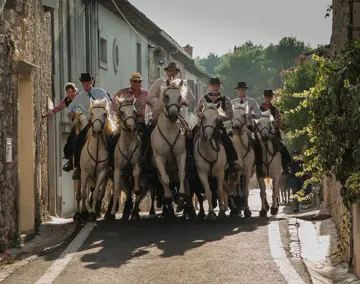
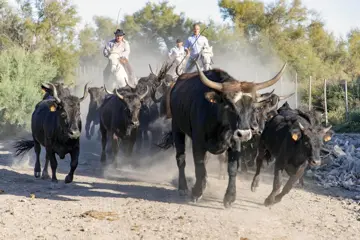
On the programme today: la petite Camargue, with Palavas-les-Flots, Carnon, and futuristic La Grande-Motte. Afterwards, via bird sanctuaries and dunes, you arrive in Aigues-Mortes, where the Crusaders once departed. Now it is the gateway to the immense Camargue nature reserve with its bulls, flamingos and white horses. Don't miss the immense beaches at the pilgrimage, fishing and bathing town of Les Saintes-Maries-de-la-Mer.
Day 4: Impressive Carcassonne
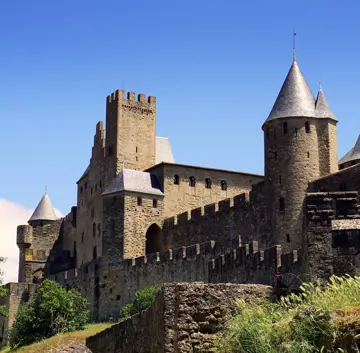
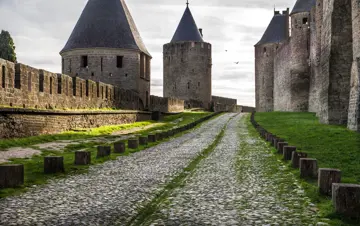
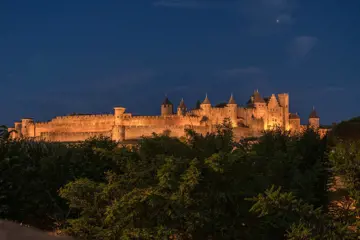
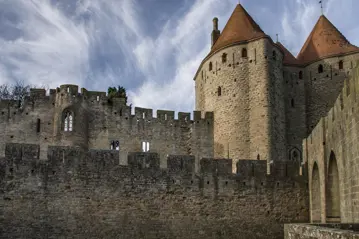
Through the vast vineyards of Corbières and Minervois, you will head to Carcassonne, one of Europe's most impressive fortified cities. The city exudes the Middle Ages, just walking the double ring wall with a total of 52 towers is a special experience. You will stay three nights in Carcassonne.
Day 5: Albi and Cordes-sur-Ciel
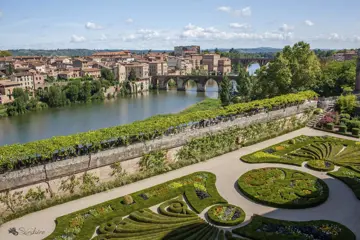
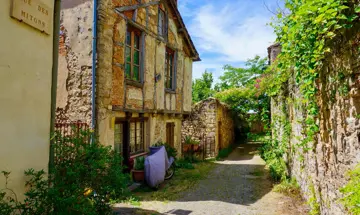
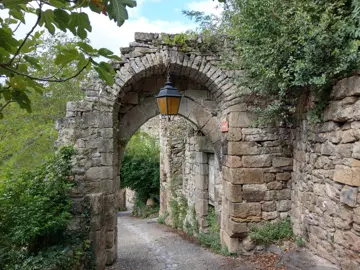
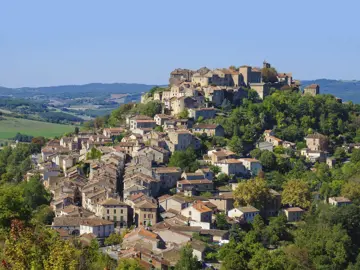
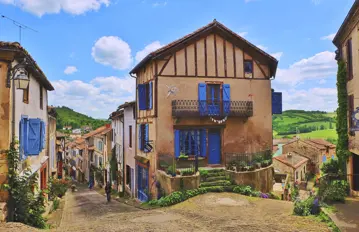
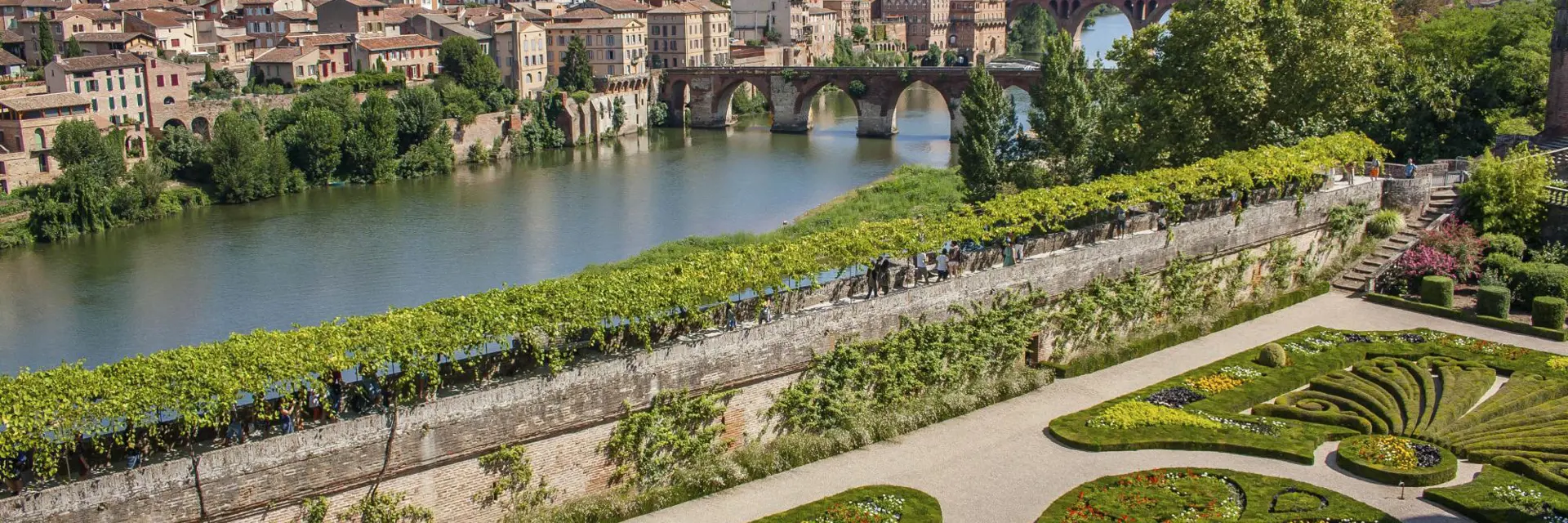
You will follow the winding Tarn to Albi, the most lively city on its banks. Albi gave its name to the 'Albigensians', formidable 'Cathar heretics' whose faith challenged the Catholic Church in turbulent times. Albi is also the city of Toulouse-Lautrec, whose museum is not to be missed. Walking in Albi is pure enjoyment. Via the thousand-year-old Pont Vieux, you reach the medieval cité around the huge Sainte-Cécile cathedral and the impressive bishop's palace. After your visit, drive north to le Pays des Bastides Albigeoises, all 13th-century strongholds that have miraculously preserved their medieval character. Cordes-sur-Ciel is one of the most beautiful and is also set in sublime scenery.
Day 6: Toulouse and the Canal du Midi
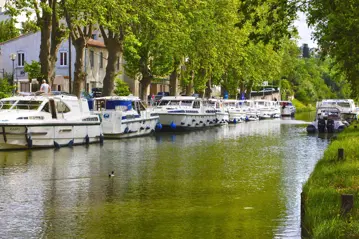
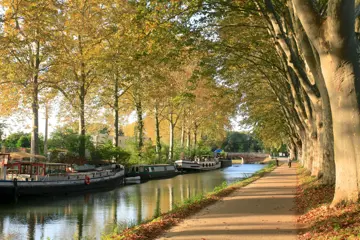
The 'pink' university town with its old bridges over the Garonne is really worth a visit, you will find, among other things, the most beautiful Romanesque church in southern France, the Basilica St Sernin. The plane trees along the Canal du Midi are also lovely, creating an oasis in the city. At Seuil de Naurouze, you'll learn how the watershed, once an insurmountable obstacle, was ingeniously overcome with the Canal du Midi by 17th-century canal engineers.
Day 7: To the Atlantic Ocean
Through the rugged limestone plateaus of the Grands Causses regional nature park with deeply eroded river valleys or gorges, you will roughly follow the course of the Garonne to Bordeaux. You will spend three nights around Bordeaux in one of our charming hotels.
Day 8: Bordeaux, Saint-Emilion and the Médoc
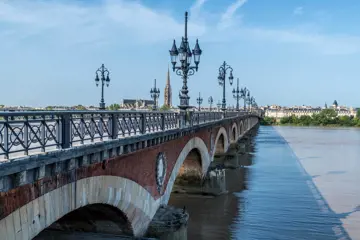
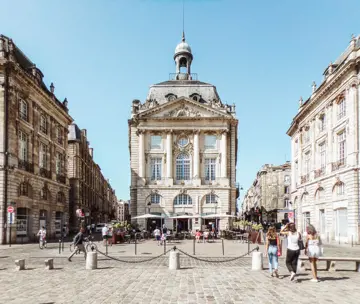
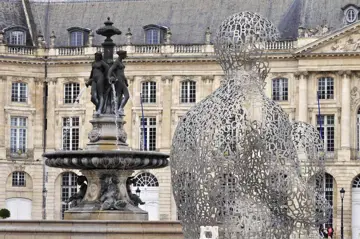
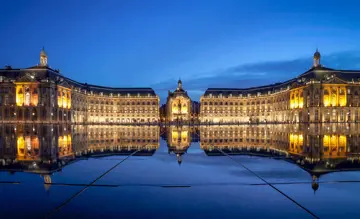
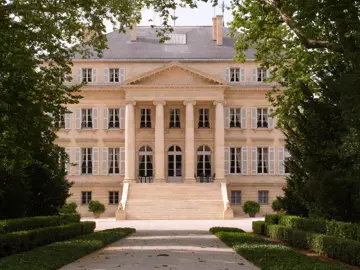
In Bordeaux, you will enjoy discovering the medieval centre, with its cosy squares and quays lined with converted warehouses. The triangle above Bordeaux between the Gironde estuary and the Atlantic Ocean forms the area of the Médoc, the famous peninsula of wine. This is home to some of the biggest names in the wine world. During your exploration, you will drive past the most famous châteaux around Saint Estèphe, Pauillac, Saint Julien, Moulis and Margaux. For a beautiful panorama on the banks of the Gironde, make your way to Fort Médoc. When returning to Bordeaux, crossing the Garonne and Dordogne rivers to the Libournais is a nice change. Besides the many wine estates, a visit to the beautiful Saint Emilion is definitely a must: a medieval wine village that, along with the entire wine region around it, was the first to be listed as a Unesco World Heritage Site.
Day 9: The ocean and the Bay of Arcachon
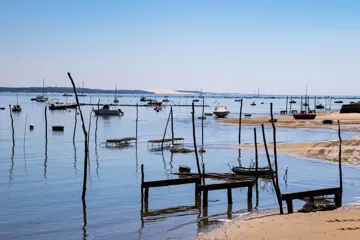
Located on a vast bay along the Atlantic coast, Arcachon is world-famous for its oyster farming of exceptional quality. At the Aquarium, you will learn all about what still swims in the bay. That Arcachon has long been the preferred seaside town of 'les Bordelais' is testified by its attractive villa districts. It is a very attractive destination with as décor the Dune de Pilat, the highest dune in Europe, the Banc d'Arguin nature reserve and the ornithological park Le Teich. It is also worth heading south towards the Landes to explore some other seaside towns such as Biscarosse.
Day 10: Going home
Your trip is unfortunately over, on day 10 you return home. If you still feel like and have time to enjoy your holiday a little longer, we recommend a stopover at one of our hotels in the Loire Valley.
What budget should you expect?
For this journey, you can expect a price starting from € 3,850 for two people. This is based on a double room with breakfast. The exact price will depend on the period you travel, your final choices, and any optional extras.
Frequently asked questions about this trip
Do you need a rental car for this trip?
Yes. The route crosses several regions where public transport is limited. With a car, you can stop wherever you like: at a vineyard, a viewpoint or a small village along the way.
What is the best time to travel?
May to October works best. Spring and autumn are quieter and ideal for exploring cities and nature. In summer, you can fully enjoy the coast and long evenings outdoors.
What does a free day look like on this trip?
You start slowly with breakfast on a terrace, then take a short drive through villages or vineyards, stopping spontaneously for lunch. In the afternoon, you choose between a walk, a visit or simply doing nothing. In the evening, you settle in for a dinner with local flavours.
What makes this route special?
You travel from one sea to another and watch France change along the way. From lagoons and salt flats to vineyards and medieval towns, ending at the wide Atlantic coast. That variety makes every day feel different.
Why book with Caractère?
- Best price guarantee
- Caractère extras
- Just one phone call or email away from our enthusiastic travel experts
- Pay safely
- No extra or hidden fees