Route
From Urbino and Ascoli Piceno to the white cliffs of the Riviera del Conero. Along the way, stop at the Frasassi caves, Italian shoemakers' workshops in Sant'Elpidio a Mare and elegant coastal towns such as Pesaro and Fano.
Rhythm
Renaissance palaces in the morning, an underground cave system in the afternoon, aperitivo by the sea at sunset. Culture and coastline alternate without becoming tiresome.
Highlights
Urbino and the Palazzo Ducale with works by Raphael. The spectacular halls of the Frasassi caves. The harmonious Piazza del Popolo in Ascoli Piceno. The white rocks of Monte Conero. An evening at the open-air theatre in Macerata. And if you wish, shopping where Italian shoes are really made.
Accommodation
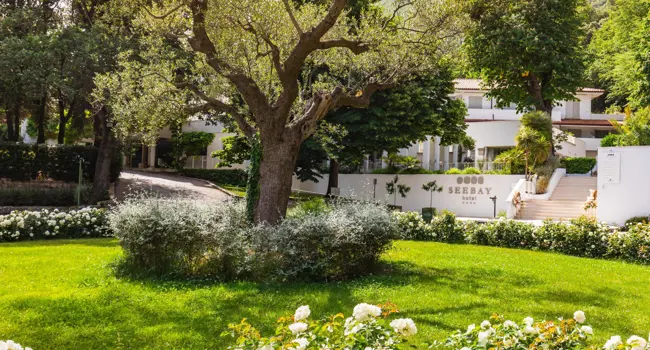
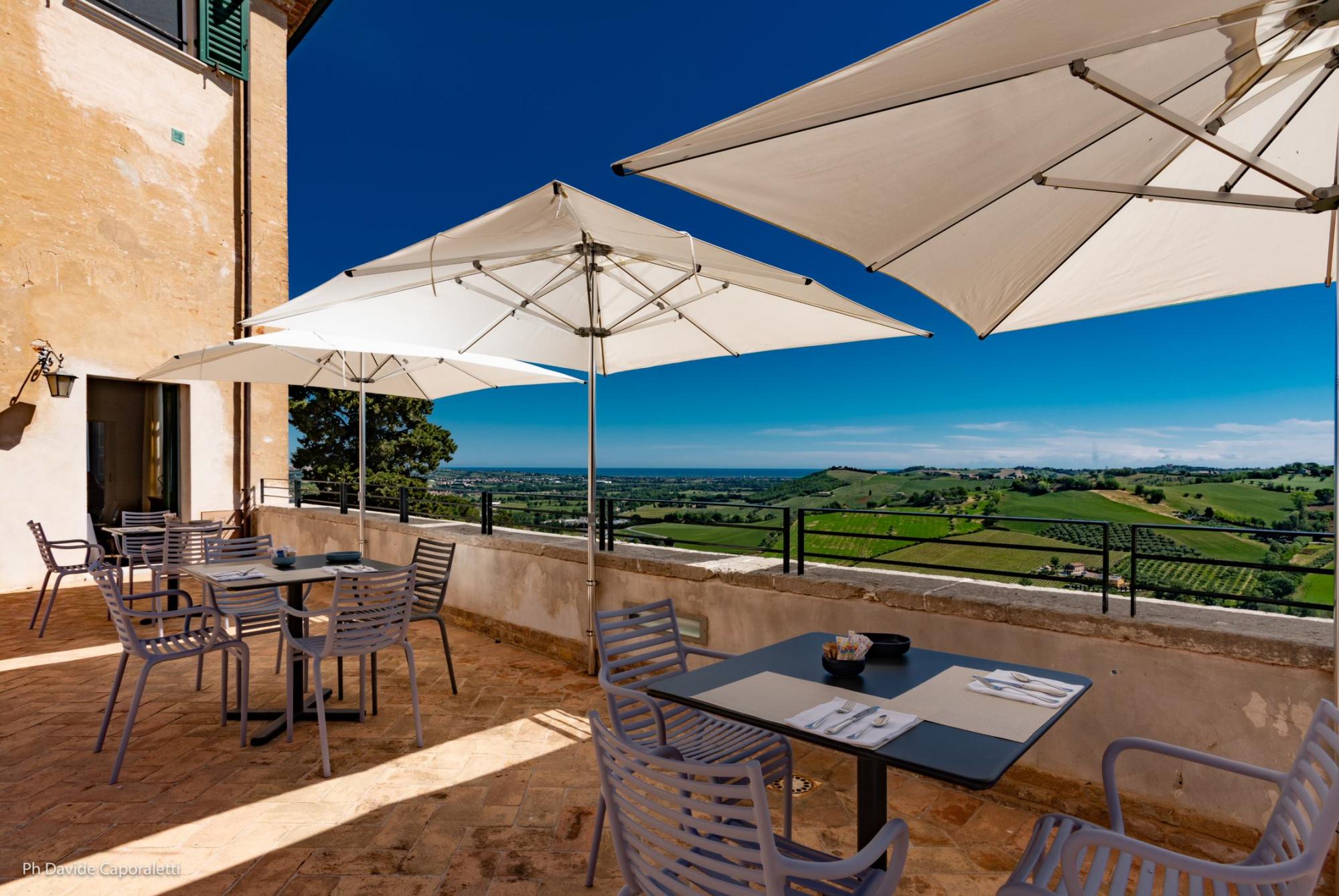
You will stay in small, family-run hotels scattered throughout the region. A personal welcome, no crowds, rooms with views of the hills or the sea.
Profile
For those who want to combine art and craftsmanship with coastal landscapes. For travellers who recognise Raphael, are curious about Italian shoe design and prefer quality over glamour.
Day 1: Departure to Bologna
When you arrive at the airport, pick up your hire car and drive to the Le Marche region. Here you will stay in a family-run, small-scale hotel, which will contribute to an unforgettable holiday.
Day 2: Urbino – Pesaro – Fano in the Le Marche region
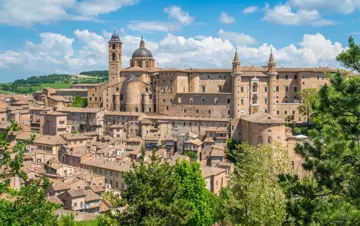
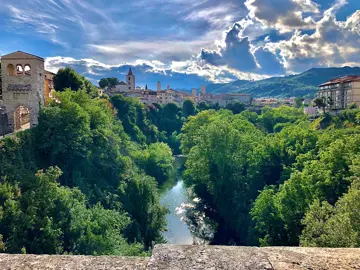
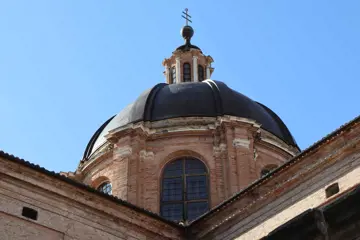
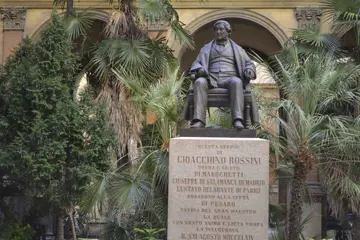
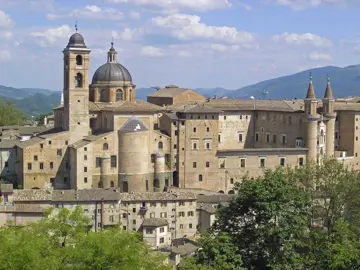
The “ideal” city of Urbino is a UNESCO World Heritage Site and one of the most important centres of the Italian Renaissance. The imposing “Palazzo Ducale” dominates the city and houses the “Galleria Nazionale delle Marche”, including the “studiolo”, Federico di Montefeltro's magnificent study with beautiful wood inlay work. You can also admire Piero della Francesca's “Madonna di Senigallia” and “La Muta” by the painter Raphael, who was born in Urbino. Urbino is considered one of the most beautiful cities in the Marche region. Then continue on to the seaside resort of Pesaro, with the birthplace of composer Gioacchino Rossini, the central Piazza del Popolo and numerous shopping opportunities. A little further on is the seaside town of Fano, with its Corte Malatestiana, a 15th-century Renaissance complex, the 12th-century Palazzo della Ragione and the Santa Maria Nuova church, with works by Il Perugino. Fano is also known for its historic buildings that reflect a rich artistic history.
Day 3: The Frasassi Caves and Jesi
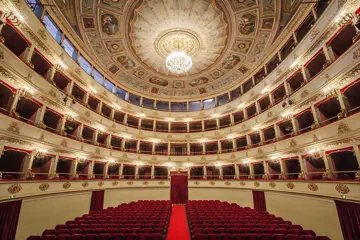
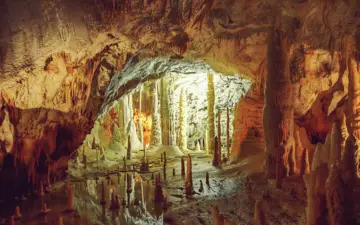
The entrance to these unique caves was discovered by chance in 1945 by a farmer. Here you can explore a unique underground network. The largest is the Cave of the Wind, with seven impressive chambers filled with pearly white stalagmites and stalactites. Continue on to the pleasant walled town of Jesi, with its 15th-century Palazzo della Signoria and beautiful courtyard. The building was designed by architect Francesco di Giorgio Martini, a pupil of Brunelleschi. Exploring this town offers an experience off the beaten track. Be sure to pop into the art gallery with its opulent Rococo gallery on the first floor and the historic “Teatro Pergolesi”.
Day 4: Fermo – Ascoli Piceno and medieval villages
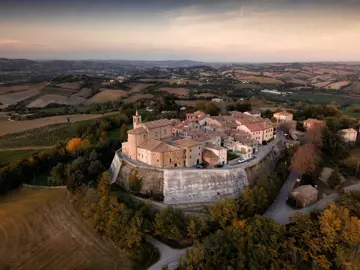
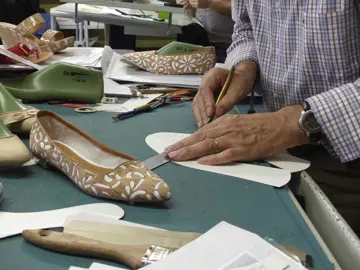
Heading south, near Sant'Elpidio a Mare, you can enjoy shopping in the numerous outlets and showrooms of the biggest shoe and fashion brands. This is the Mecca of Italian shoe production, a tradition that has been passed down from father to son. The most exclusive Italian shoes are produced in this region, both in small workshops by hand and in larger companies by machine. Nearby is the charming town of Fermo, with its beautiful views of the sea and mountains. The area around Fermo is also known for its beautiful beaches, which are both popular and peaceful, highlighting the beauty and diversity of the Le Marche coastal region. In the central Piazza del Popolo stands the 15th-century Palazzo dei Priori with its art gallery, which includes Rubens' Adoration of the Shepherds. Be sure to take a look inside the historic Teatro dell'Aquila.
Day 5: Ascoli Piceno
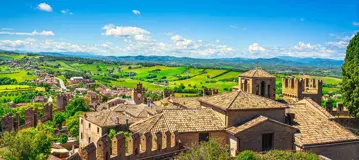
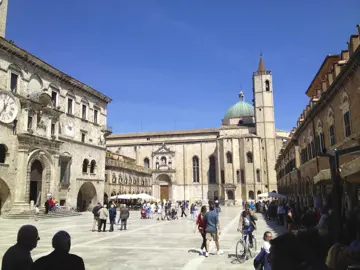
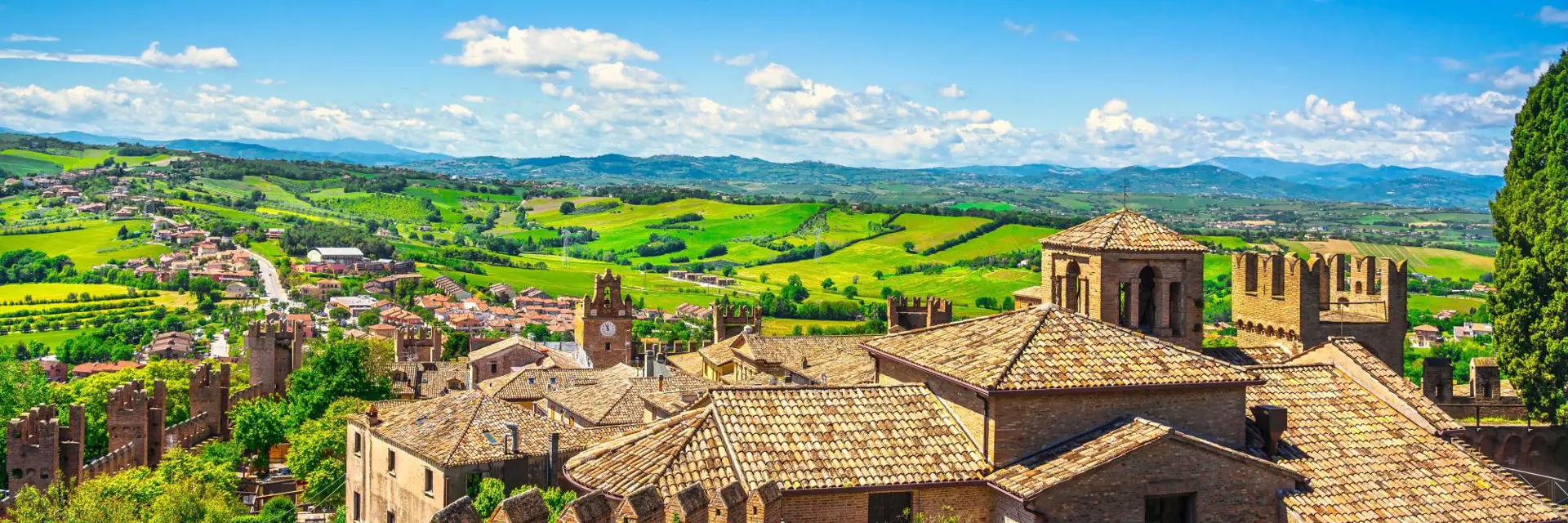
This beautiful town is located at an altitude of 153 metres and is also known as “little Siena”. Another nickname is “the city of a hundred towers”, because in the Middle Ages Ascoli had no fewer than 200 towers, built by noble families. The highlight is the particularly harmonious Piazza del Popolo with the Palazzo dei Capitani (13th century). Ascoli Piceno is one of the medieval villages in the region, known for its charming and historic atmosphere. Be sure to have a drink in the historic Caffè Meletti with its beautiful Art Deco interior. The “Pinacoteca” on the “Piazza Arringo” displays works by famous masters and the small streets are perfect for shopping.
Day 6: Riviera del Conero and Loreto with beautiful beaches
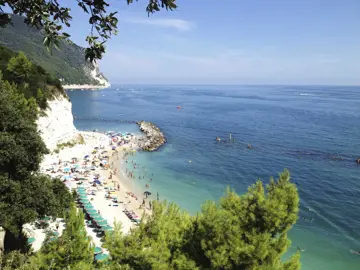
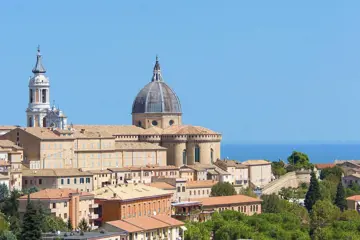
You will be welcomed to the beautiful Conero Riviera, with its white cliffs, picturesque bays and coastal towns such as Sirolo and Numana. The coast is named after Monte Conero, a huge limestone rock from which you have a panoramic view of the Adriatic Sea and the hilly inland. On the way, you will visit Loreto, a place of pilgrimage with the richly decorated Basilica of the Holy House. The region is also known for its beautiful beaches, which are perfect for relaxation. Further on is the hill town of Recanati, the city of the accordion and birthplace of the famous 18th-century poet Giacomo Leopardi.
Days 7 and 8: Macerata – Tolentino
Well worth a visit is medieval Macerata, the second opera city after Verona, with its beautiful open-air theatre and one of the oldest universities in Italy. Macerata is also considered one of the most beautiful villages in the region, rich in history and culture. Further on is the charming Tolentino with its “Basilica di San Nicola” with beautiful 14th-century frescoes. You can also enjoy the sea and beach or take a boat trip along this breathtaking coastline. Be sure to visit the port city of Ancona, the capital of the region. In the historic centre, you will find the beautiful Piazza del Plebiscito, one of the oldest squares in the city, and the Cattedrale di San Ciriaco.
Day 9: Return home
Your trip has come to an end. Return your hire car to the airport and head back home.
Frequently asked questions about Le Marche
Do I need a hire car for this tour of Le Marche?
Yes. The charm of Le Marche lies in the freedom to drive yourself. Stop at a studio in Sant'Elpidio a Mare, take a detour to a panoramic viewpoint at Monte Conero or linger longer in a piazza in Jesi. Public transport hardly reaches the smaller towns, so having your own car makes all the difference.
When is the best time to visit Le Marche?
May, June and September are ideal: pleasant temperatures, accessible museums and beaches without the summer crowds. July and August are warmer and livelier by the sea, perfect if you also want to catch the opera season in Macerata.
What makes Le Marche different from Tuscany or Umbria?
The landscape is reminiscent of Umbria, the Renaissance of Tuscany, but here it remains quieter. You will find the same artistic wealth – Raphael, Piero della Francesca – without the queues. Added to this is a unique industrial heritage: dozens of family businesses producing Italian shoes for international fashion houses. Art, coast and craftsmanship come together here in a way that is rarely found elsewhere.
Why book with Caractère?
- Best price guarantee
- Caractère extras
- Just one phone call or email away from our enthusiastic travel experts
- Pay safely
- No extra or hidden fees