Route
This round trip begins in Porto and first takes you to the Atlantic coast at Viana do Castelo in the Minho region. You then travel inland to historic towns such as Guimarães and Amarante. The journey continues to the Douro Valley with its terraced vineyards before ending with two nights in Porto.
Pace
A varied pace with four stays. Two nights on the coast in Viana do Castelo, two nights in the Minho region, two nights in the Douro Valley and two nights in Porto. This allows you to explore northern Portugal through short day trips.
Highlights
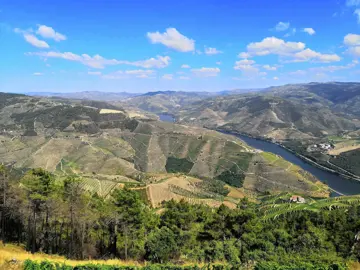
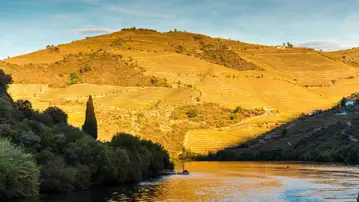
The coastal town of Viana do Castelo and the vineyards of the Minho where Vinho Verde is produced. Guimarães, a UNESCO World Heritage Site and the first capital of Portugal. The baroque staircase of Bom Jesus do Monte in Braga and the terraced vineyards of the Douro Valley. The journey ends in Porto with its historic centre and famous port wine cellars.
Accommodation
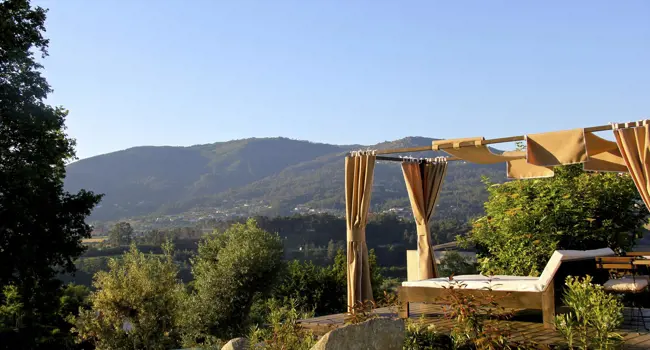
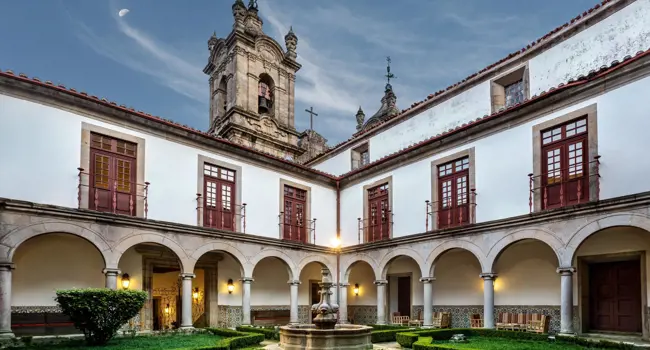
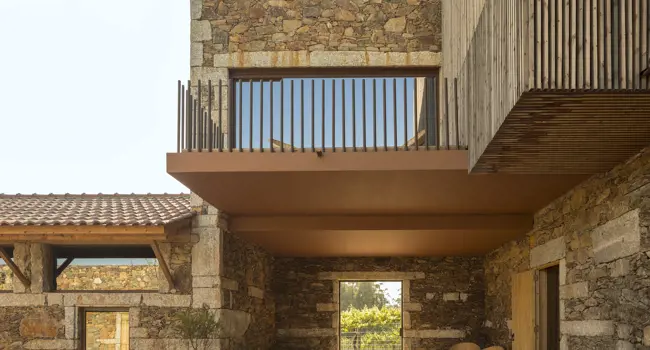
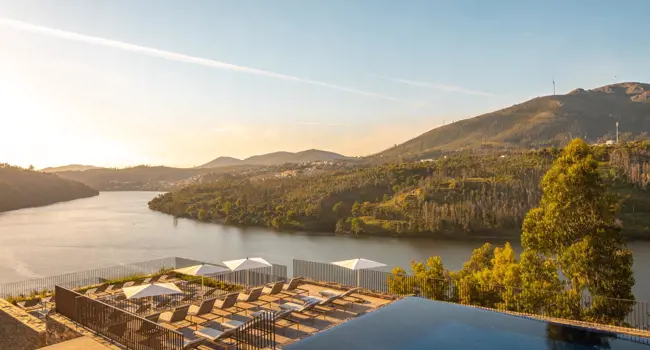
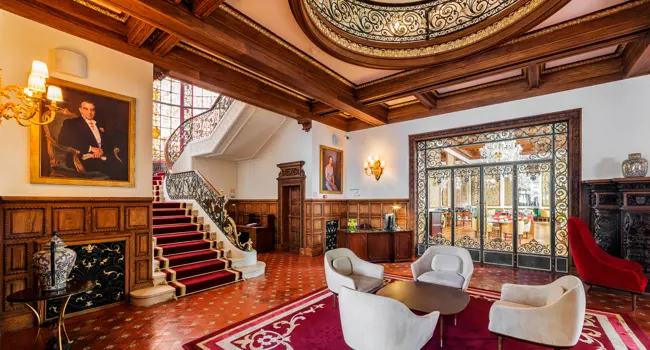
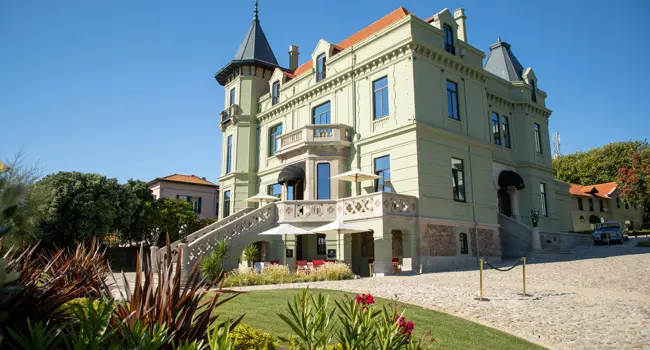
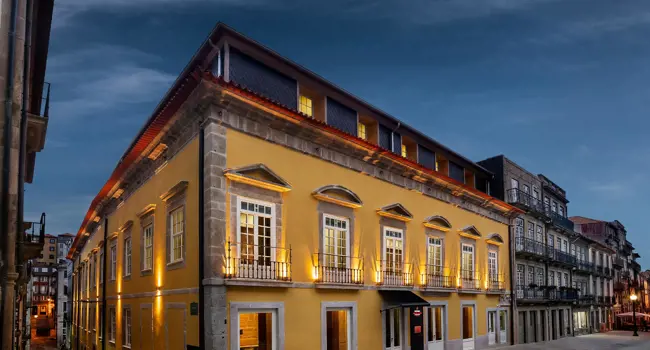
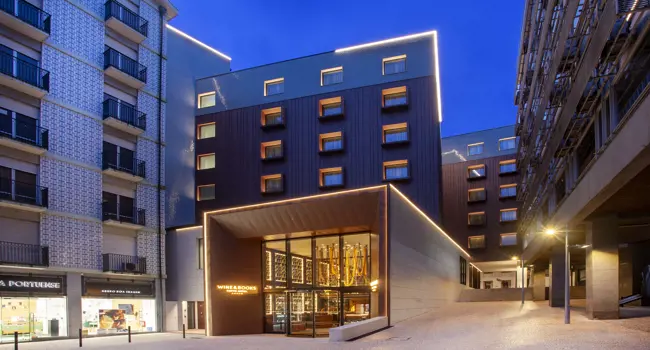
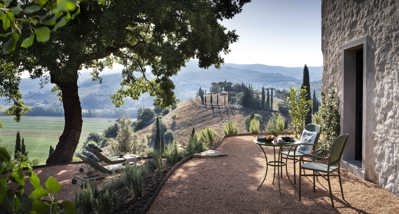
You stay in carefully selected Caractère hotels: on the Atlantic coast, in the Minho region, among the vineyards of the Douro Valley and finally in a characterful hotel in Porto.
Profile
For travellers who want to discover northern Portugal through wine regions, historic towns and green landscapes. Ideal for combining culture, gastronomy and nature.
Day 1: Departure to Porto - Viana do Castelo
Pick up your rental car and depart for Viana do Castelo, where you will stay for 2 nights.
Day 2: Viana do Castelo
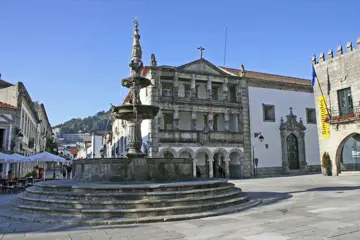
This important seaside town in the Minho region is charmingly located on the Atlantic Ocean. The centre of Viana is the Praça da Republica, the central square full of beautiful buildings, Manueline and Renaissance style that reflect Viana's glory days to the fullest.
Day 3: Along vineyards to the Spanish border - Guimarães - Amarante
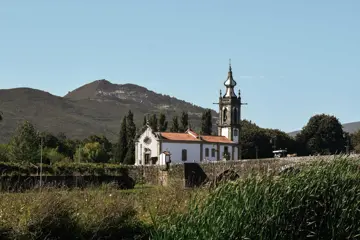
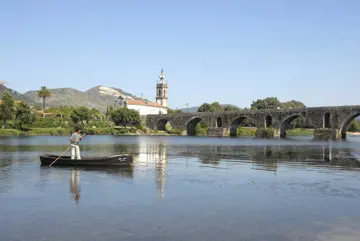
Via Vila Nova de Cerveira and Valença do Minho to Monção, a typical Minho town and spa, in the middle of a landscape of the famous alvarinho vineyards. Continuing via Ponte da Barca, from where in the 15th century pilgrims sailed to Santiago de Compostela, to Guimarães or Amarante. Stay for 2 nights at an accommodation in Guimarães or drive on to Amarante where you will stay at the Monverde Wine Experience Hotel.
Day 4: Braga or the Peneda-Gerês National Park
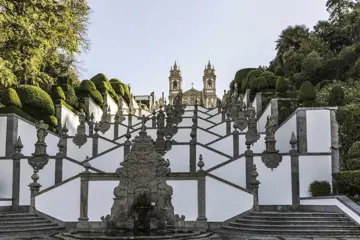
Visit Braga, capital of the Mino region. Devout Braga ("Braga prays, Coimbra sings and Porto works") is also called the "Portuguese Rome" for its numerous monasteries and churches. The absolute best of Portuguese baroque is the staircase of Bom Jesus do Monte. Are you more of a nature fan? Go explore the for the Peneda-Gerês National Park. No less than four mountain ranges cross this park: the Peneda, the Soajo, the Amarela and the Gerês.
Day 5: Guimarães and Amarante
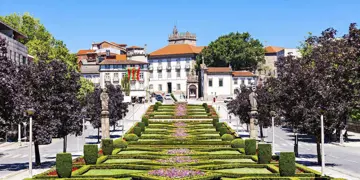
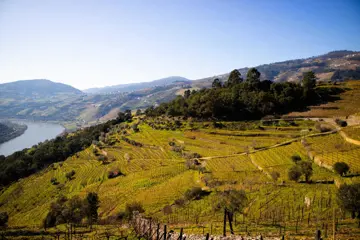
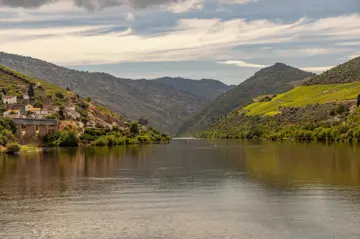
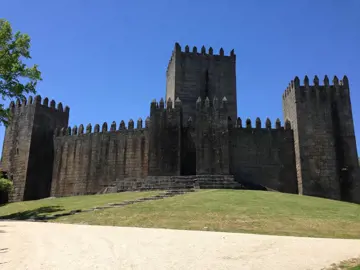
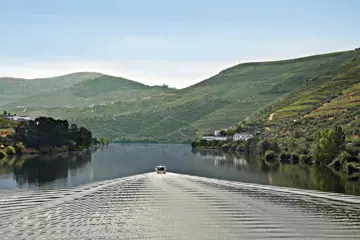
Guimarães was the first capital of Portugal and is one of the most attractive towns in northern Portugal: thanks to its great architectural homogeneity, it was listed as a Unesco World Heritage Site. You will continue to Amarante, a picturesque provincial town terraced against the banks of the Tâmega River. A scenic drive along the winding Douro River, with its impressive landscapes and vineyards, will bring you to your hotel where you will stay for 2 nights.
Day 6: The 'Solar de Mateus' and the Parque Natural Alvão/Marão/Côa
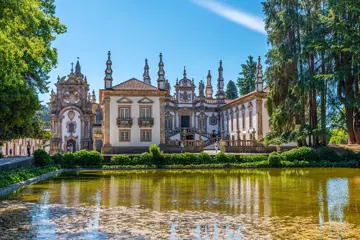
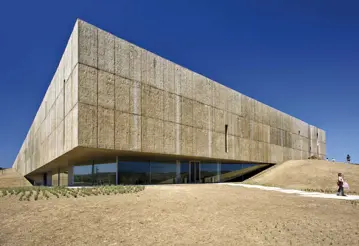
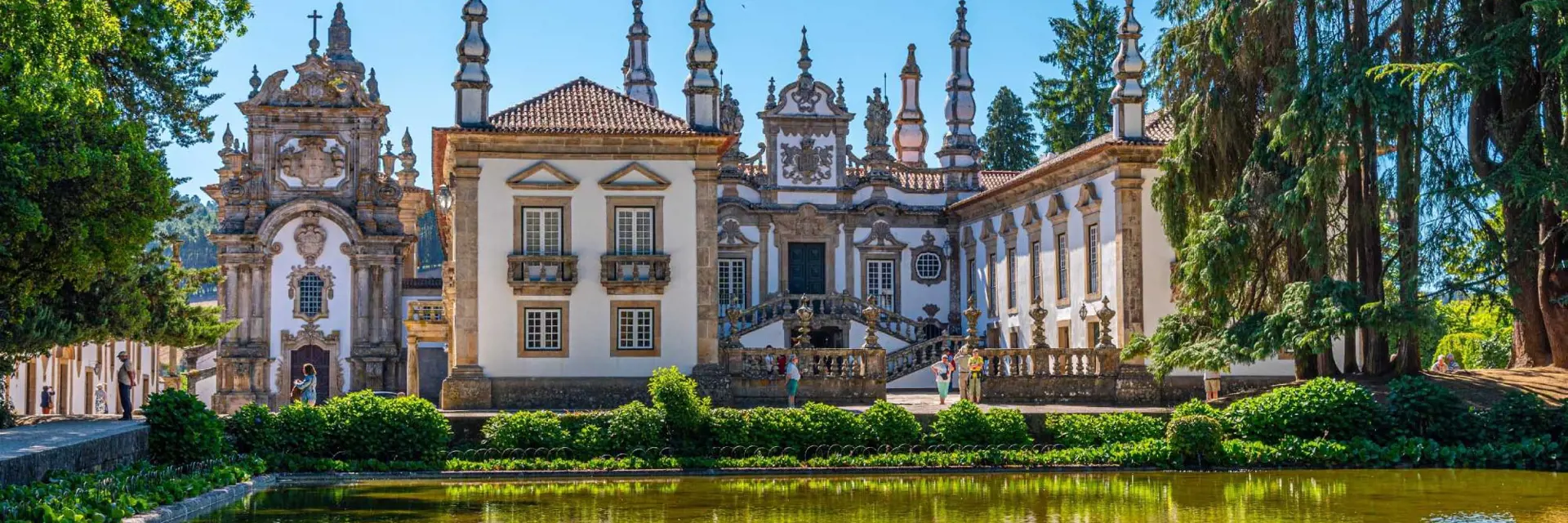
The top attraction in Vila Real is and remains the Palácio de Mateus, located about 3 km from the centre. It is one of the jewels of Portuguese baroque, described as 'the most fantastic country house in Portugal' and featured on the label of the famous bottles of Mateus rosé wine. For beautiful natural surroundings you can visit the Parque Natural do Alvão, a magnificent nature reserve of 7,220 hectares, or the Serra do Marão. One of the objectives of this natural park lies in the preservation of the local village architecture. For example, the houses of the villages of Olo, Dornelas, Anta and Ermelo with their granite or schist stone are beautiful examples of traditional architecture. The park has a huge variety of plants and animals, with many protected species. OR you will visit from Lamego/Cotas the archaeological park in the Côa Valley, with its impressive Museum of Art and Archaeology, designed by the famous architects Camilo Rebelo and Tiago Pimentel. Here you will not only discover an invaluable collection of prehistoric finds and outdoor wall drawings, but you can also delve into the life and art of our prehistoric ancestors. To the northeast are the plateaus and mountain ranges of Trás-os-Montes, "behind the mountains”...
Day 7: Douro Valley - Porto
You leave the mighty Douro Valley towards Porto. You will spend 2 nights in a hotel of your choice.
Day 8: Porto
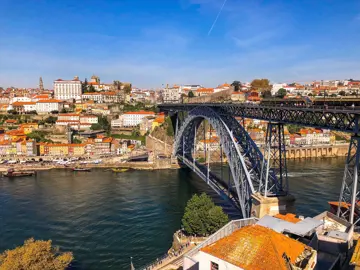
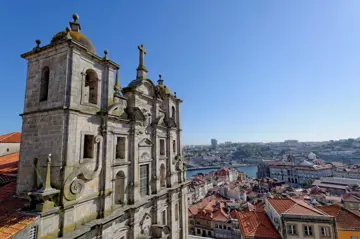
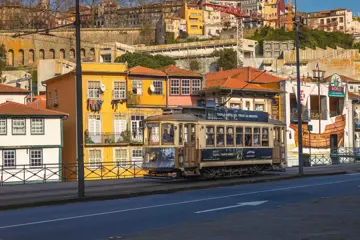
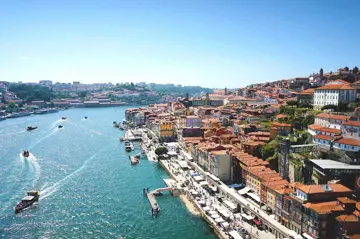
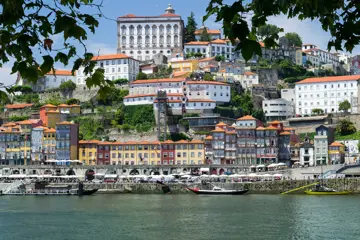
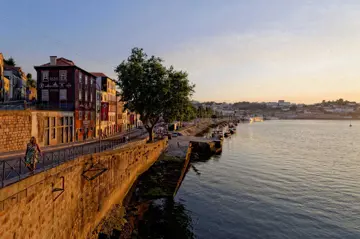
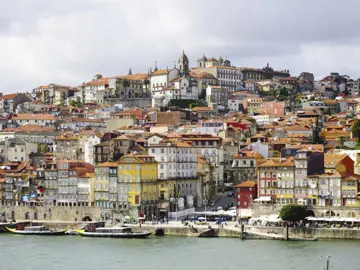
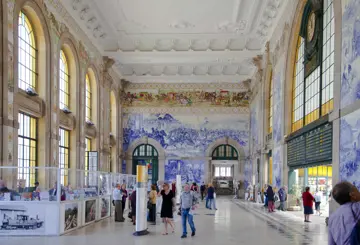
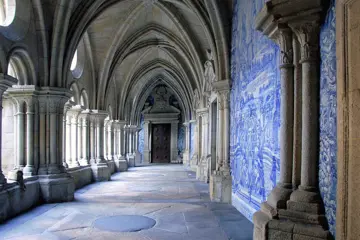
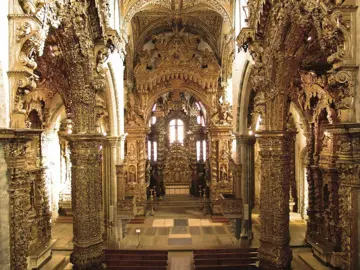
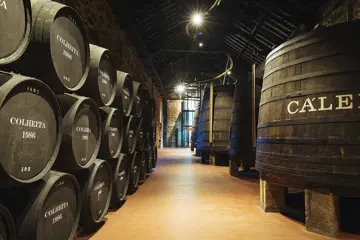
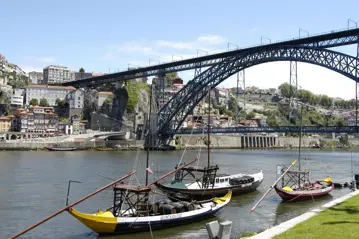
Porto's historic centre is quite compact, giving you the advantage of easily visiting all the major sights on foot. Best start your exploration at the city hall, from where a few steps will take you to the famous São Bento train station, with its impressive azulejos scenes as the main eye-catcher. From here, take a stroll down Rua das Flores, a stately street with numerous historical buildings from different style periods, including the beautiful Igreja da Misericórdia do Porto. Near the train station, on the city's highest hill, enthrones the Romanesque cathedral Igreja da Sé, rebuilt several times over the centuries to create an interesting mix of architectural styles. A walk up to the Douro inevitably brings you to Ribeira, 'the bank', the beating heart of the historic centre. Crossing the Douro will lead you to Vila Nova de Gaia, the centre of port wine. Originally the port houses were located in the city, but when the bishop of Porto once demanded a monopoly on the proceeds, traders moved to the river's south bank. Hence the numerous wineries and cellars still present today, including big names like Taylors, Sandeman and Ramos Pinto.
Day 9: Going home
On day 9, it is time to return you rental car and to catch your flight back home.
What budget should you expect?
For this journey, you can expect a price starting from € 1,900 per person. This includes flights, a rental car, and the hotels. The exact price will depend on the period you travel, your final choices, and any optional extras.
Frequently asked questions about this round trip
Do you need a rental car for this trip?
Yes. A rental car makes it easy to reach places such as Braga, Guimarães, Amarante and the Douro Valley. It also gives you the freedom to stop along the way at vineyards or viewpoints.
What is the difference between the Douro and the Minho?
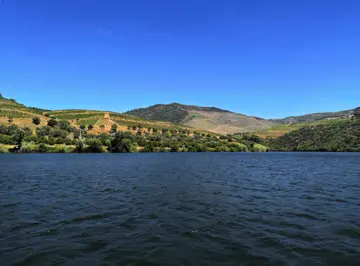
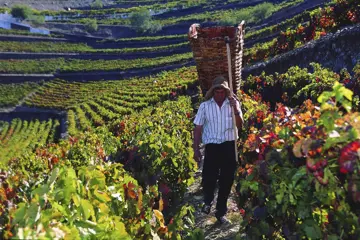
The Douro Valley is known for its steep terraced vineyards and the production of port wine. The Minho is greener and more fertile and is famous for its fresh Vinho Verde wines.
Is this trip mainly about nature or culture?
The route combines both. You visit historic cities such as Braga, Guimarães and Porto while also travelling through wine landscapes and green valleys in northern Portugal.
Can this trip be extended?
Yes. Many travellers choose to stay a few extra nights in Porto or continue their journey towards the Douro Valley or northern Portugal.
Why book with Caractère?
- Best price guarantee
- Caractère extras
- Just one phone call or email away from our enthusiastic travel experts
- Pay safely
- No extra or hidden fees