Route
You start in the Reggio Emilia region between Modena and Parma. Then you stay a few nights near Bologna with trips to Ferrara and Ravenna. The trip ends in Le Marche, near the coast of Monte Conero with visits to Urbino, Jesi and Corinaldo.
Pace
Three nights among producers of balsamic vinegar and Parmigiano, three nights in the Bologna region and four nights in Le Marche.
Highlights
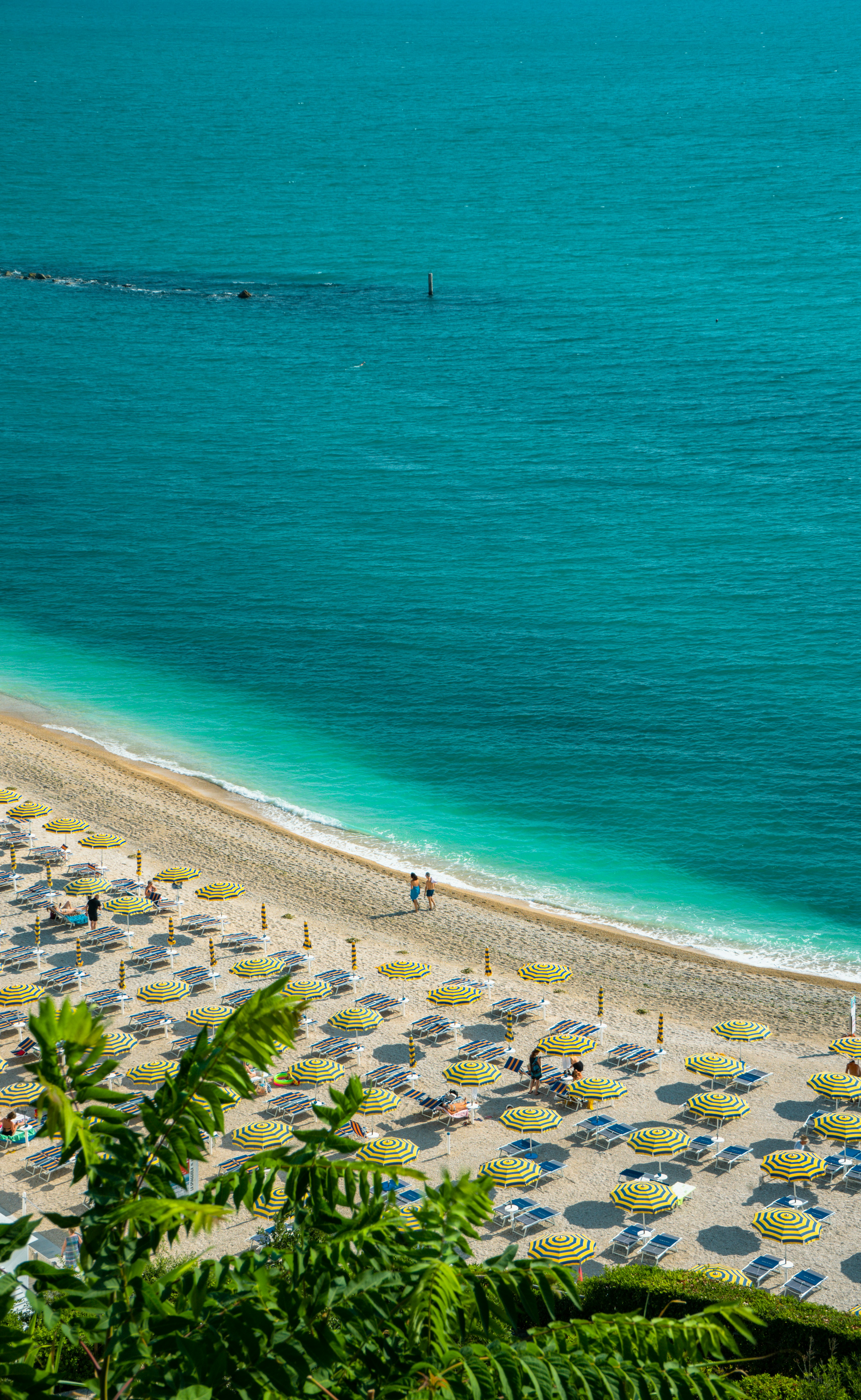
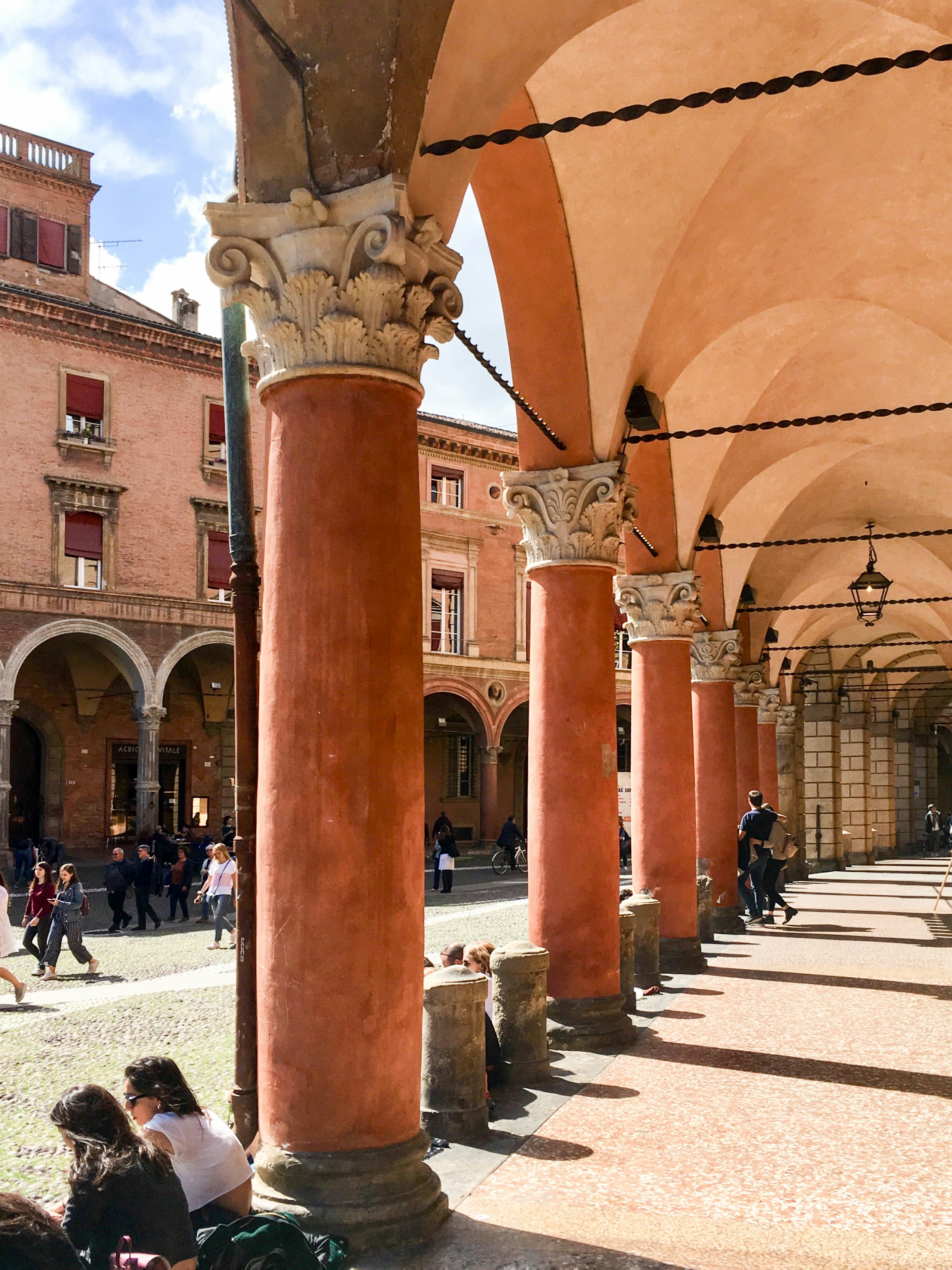
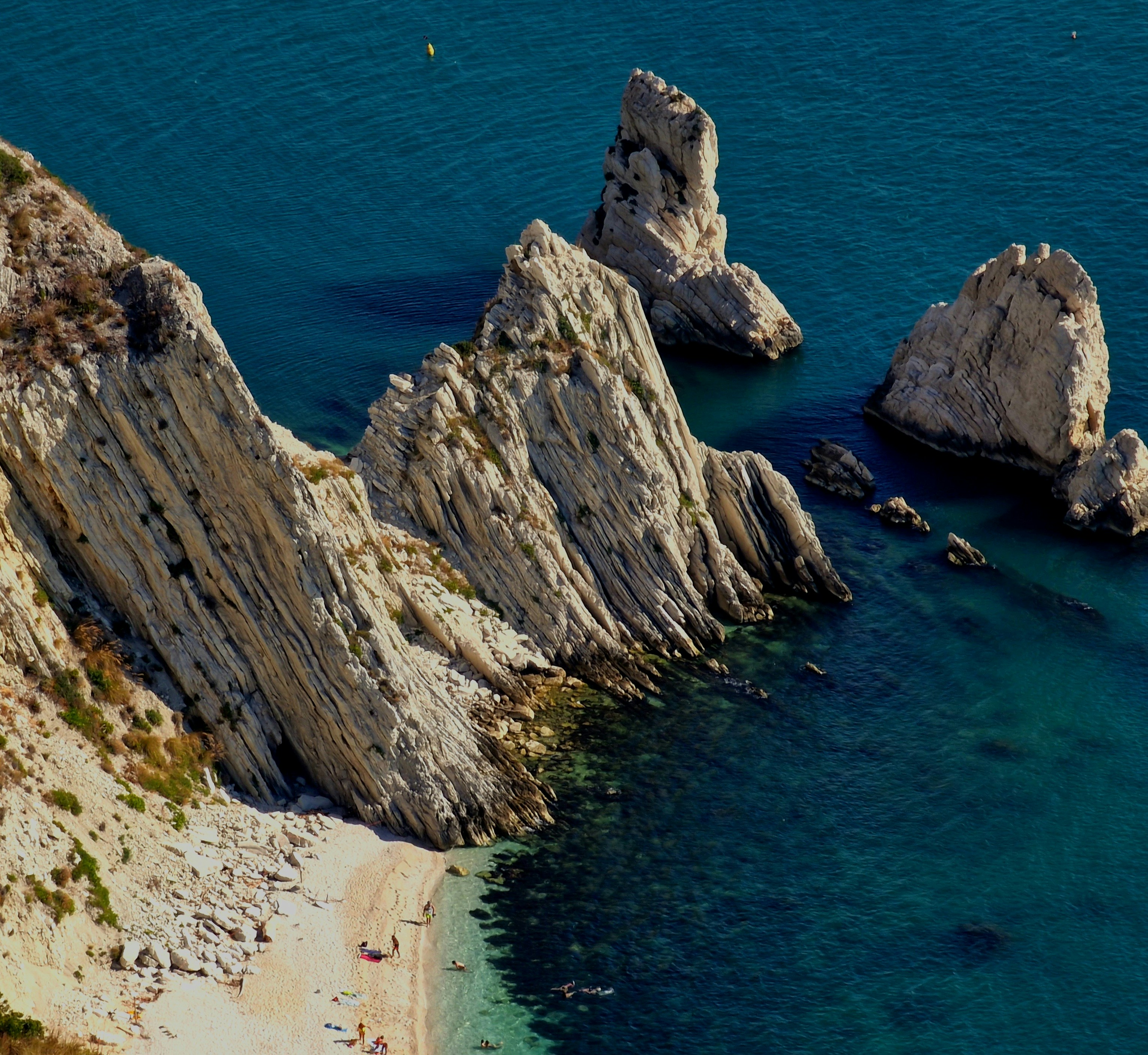
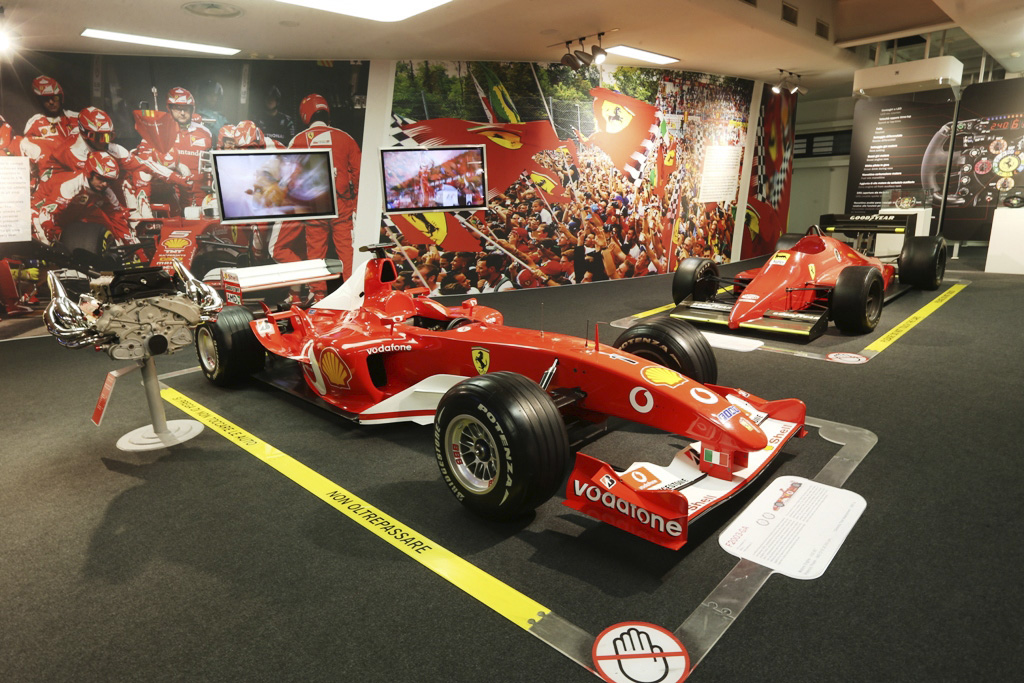
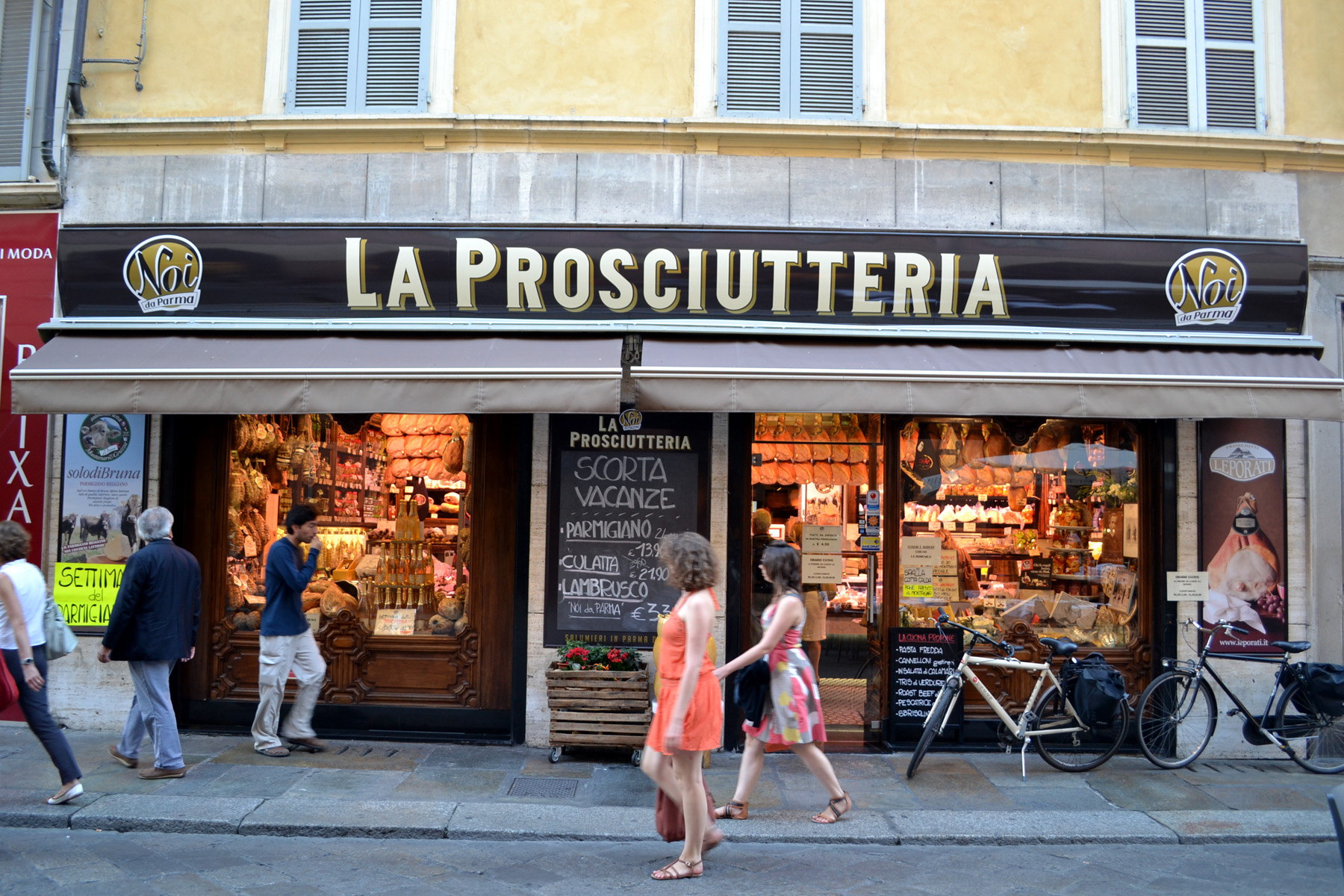
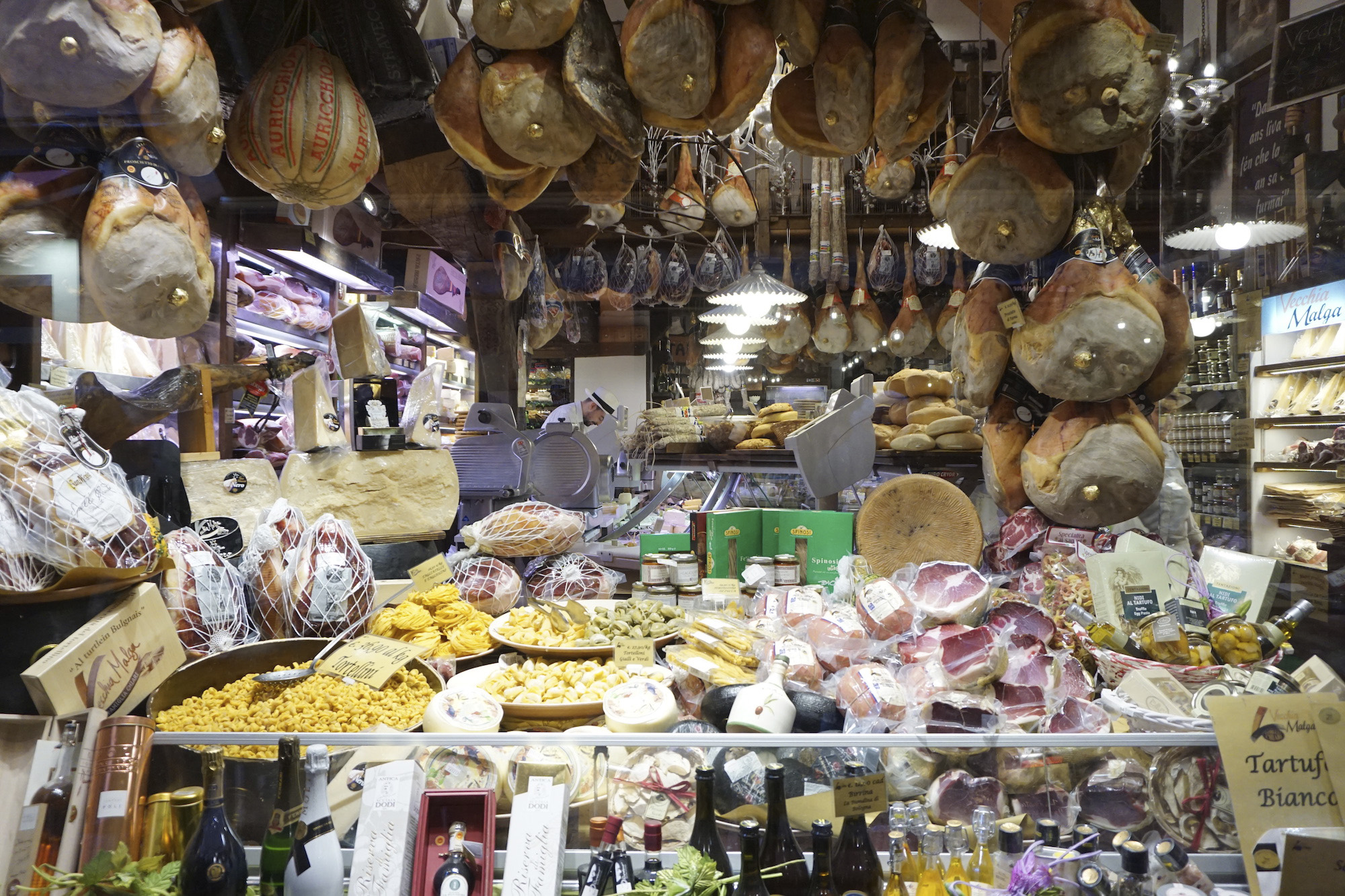
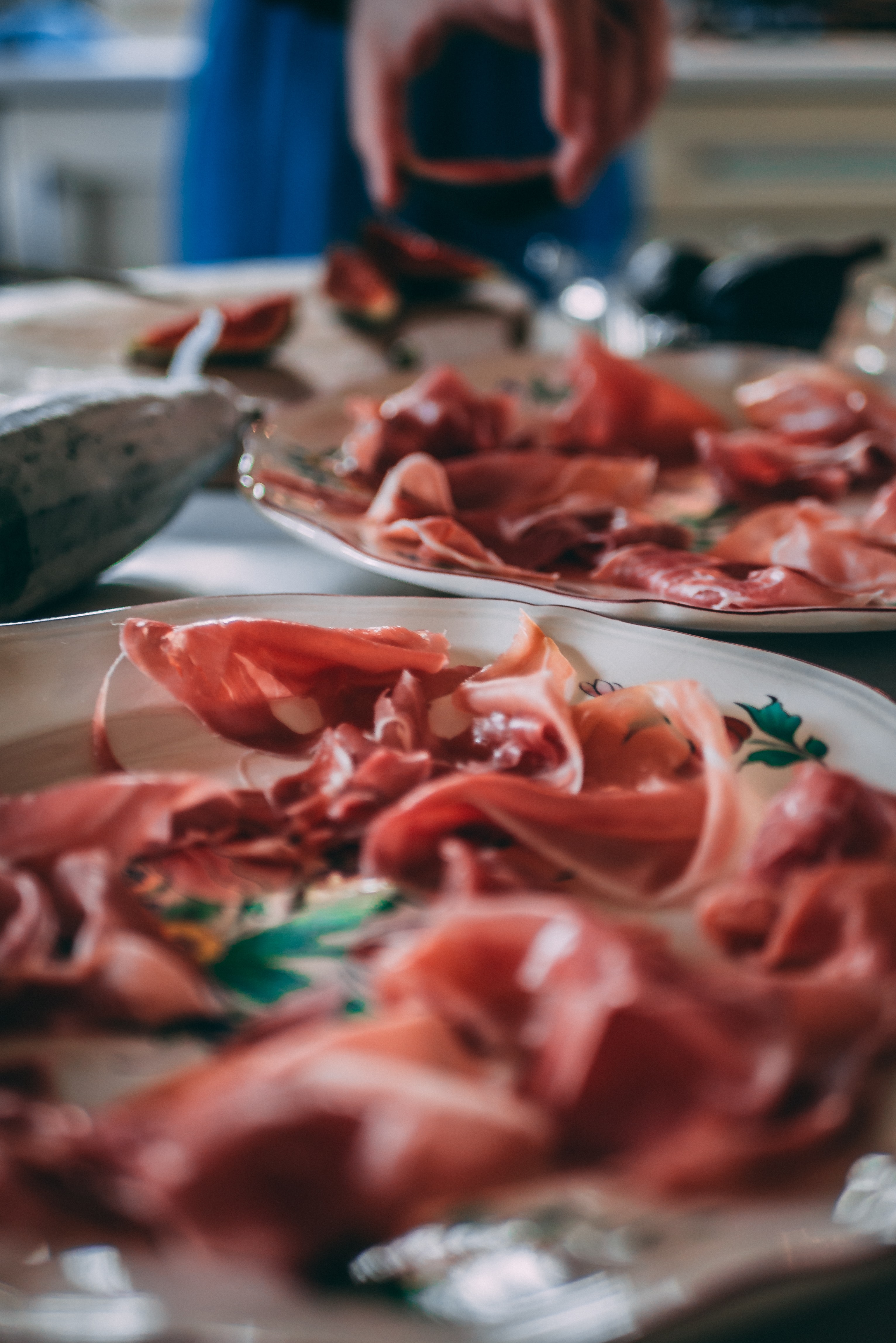
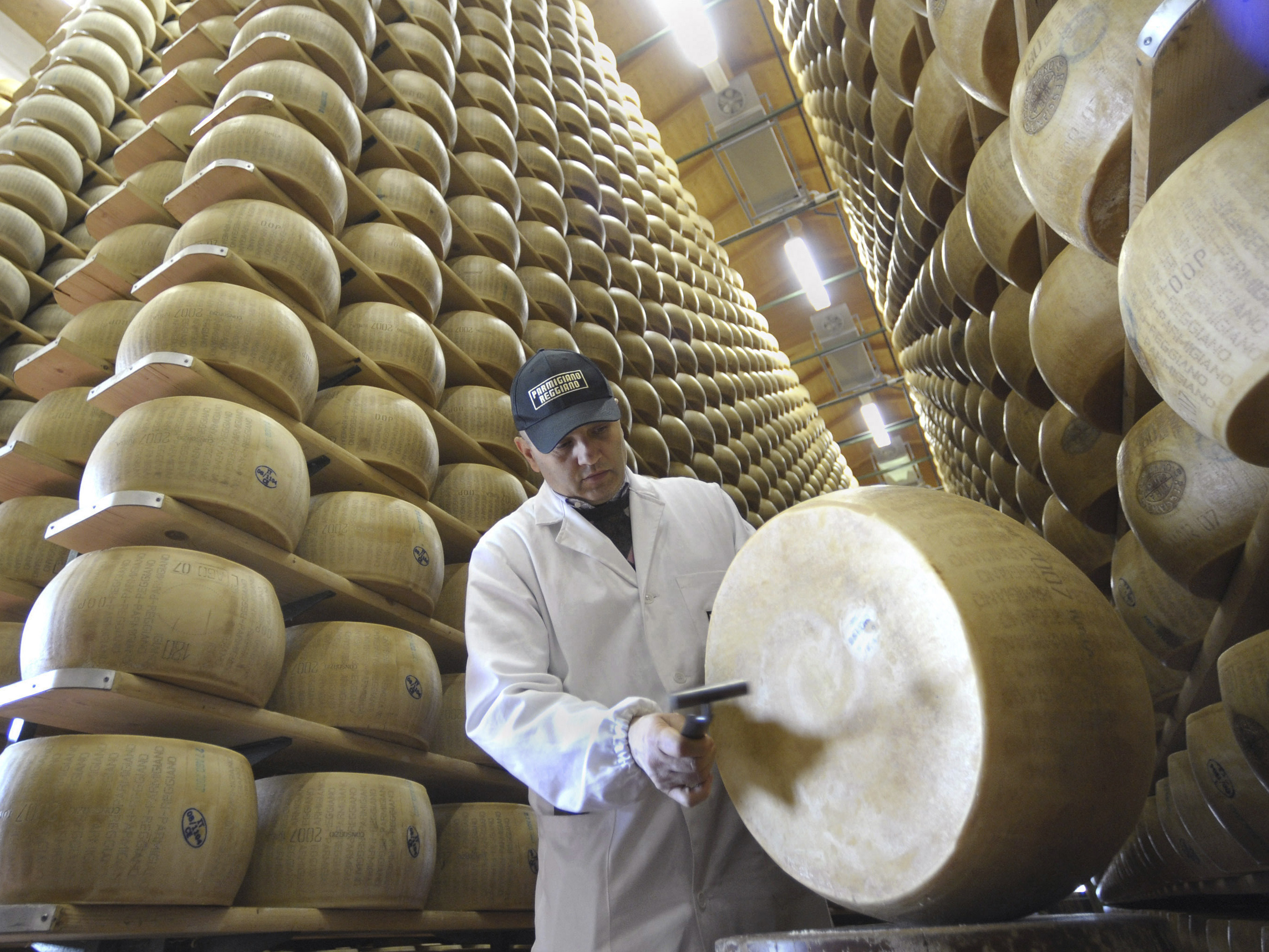
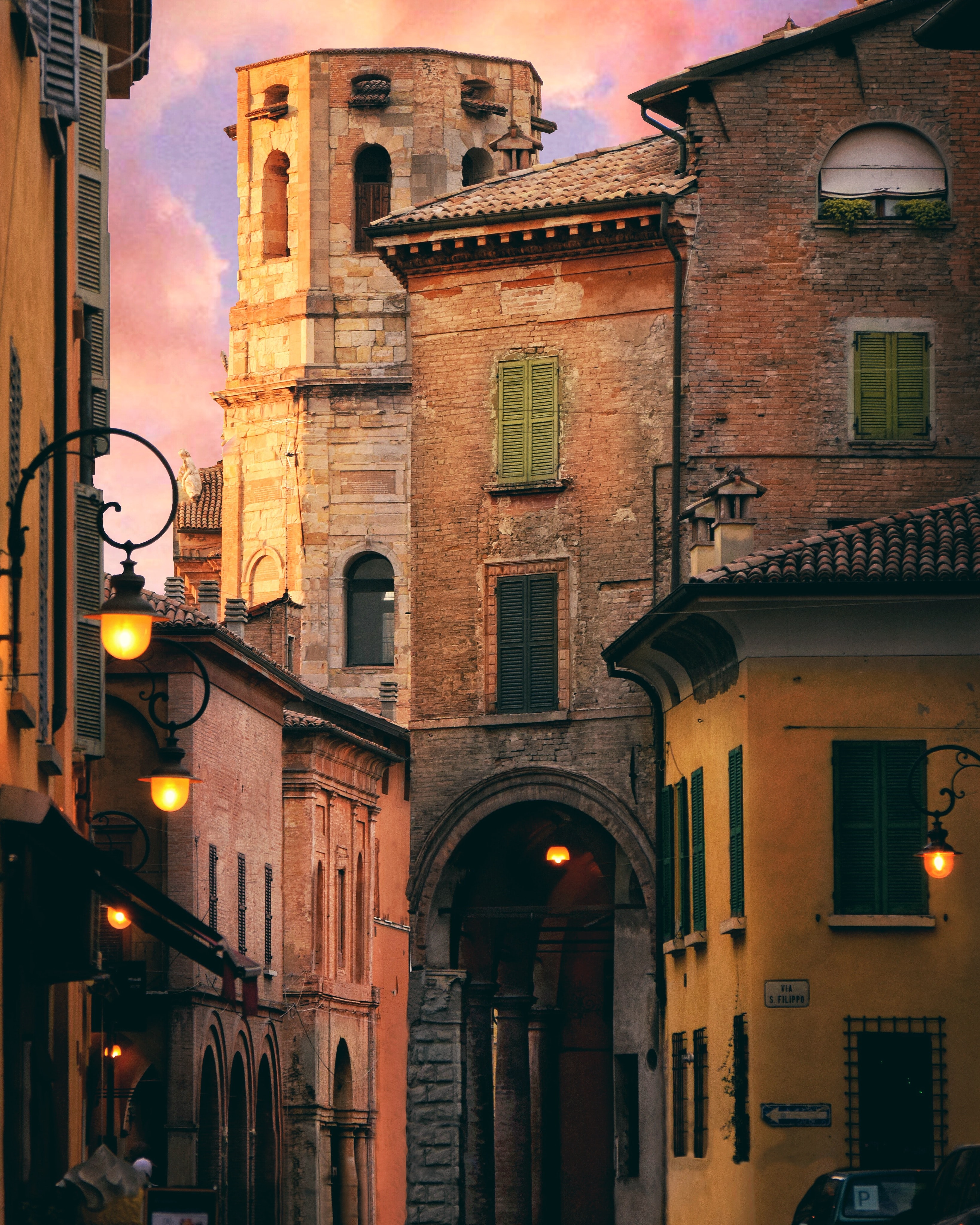
In Modena, you will discover the tradition of Aceto Balsamico and visit the Ferrari museum in Maranello. Parma revolves around Parma ham and Parmigiano Reggiano. In Bologna, you will stroll under the long portici and across Piazza Maggiore. Further on, the Byzantine mosaics of Ravenna and the Renaissance centre of Urbino shine. The journey ends at the cliffs and beaches of the Conero Riviera.
Accommodation
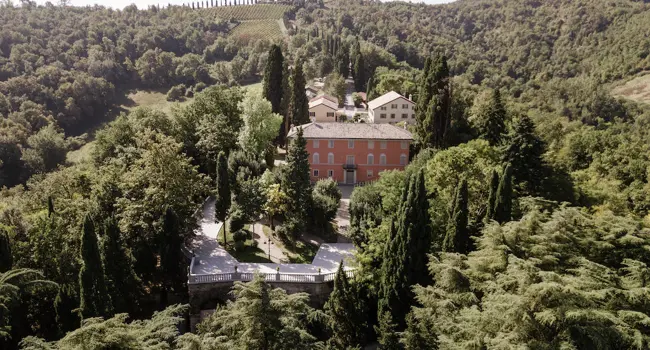
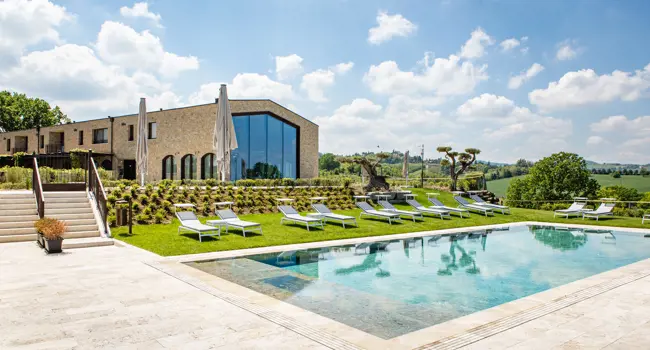
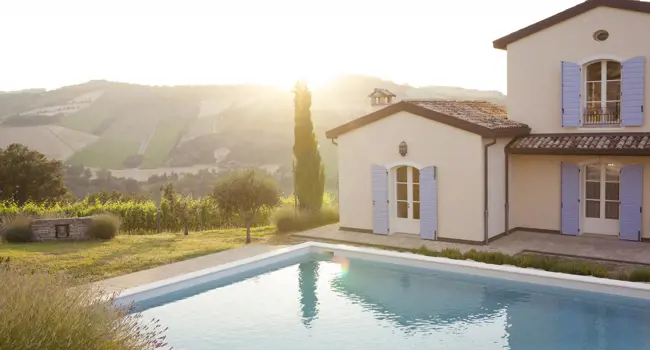
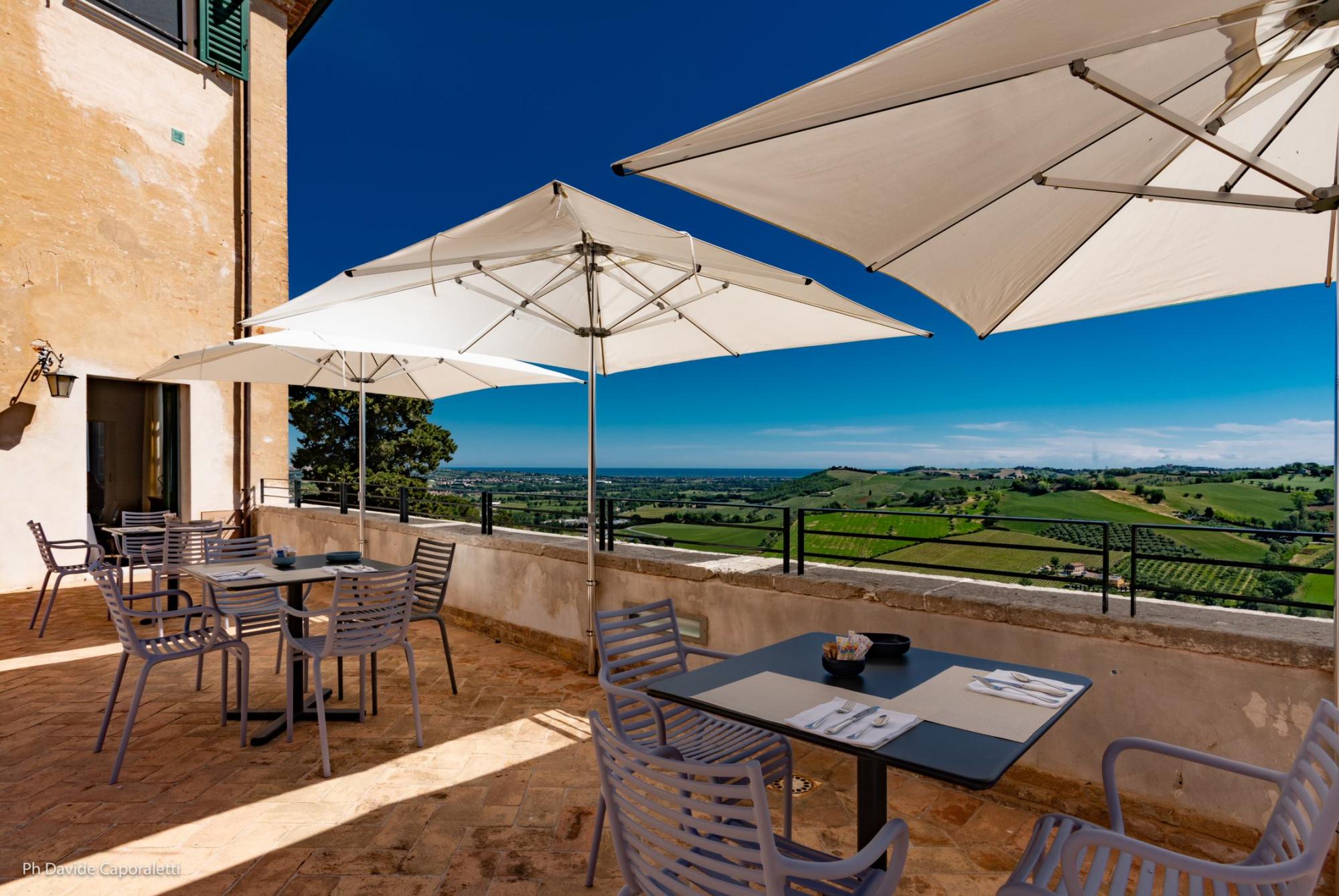
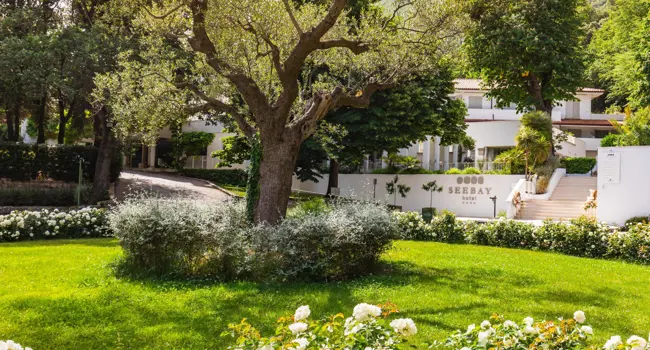
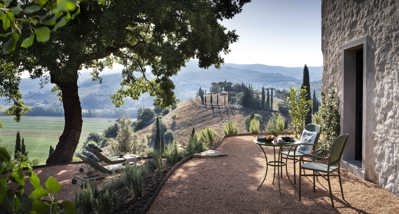
A boutique hotel among vineyards in Emilia-Romagna, a country hotel near Bologna and an elegant castle hotel in Le Marche, a short distance from the coast.
Profile
For travellers who discover Italy through gastronomy, art and quiet villages. For those who enjoy visiting producers, exploring historic towns and lingering over dinner.
Day 1: Arrival in Bologna
After landing in Bologna, pick up your hire car and head south to the Reggio Emilia region. Here you will stay for three nights in a small, top-quality boutique hotel surrounded by vineyards and producers of traditional balsamic vinegar and wine, the perfect start to your culinary journey of discovery.
Day 2: Modena and Maranello
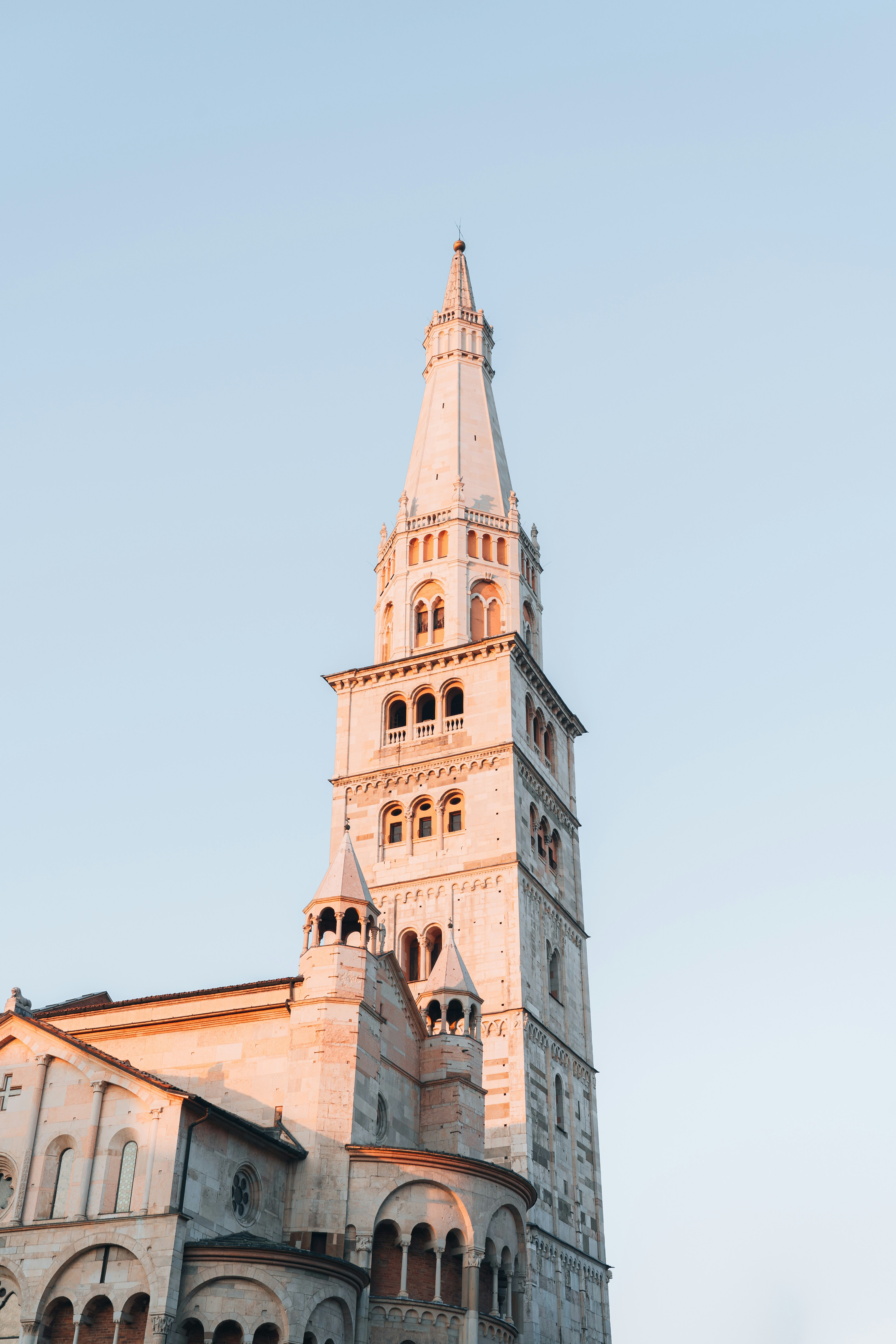
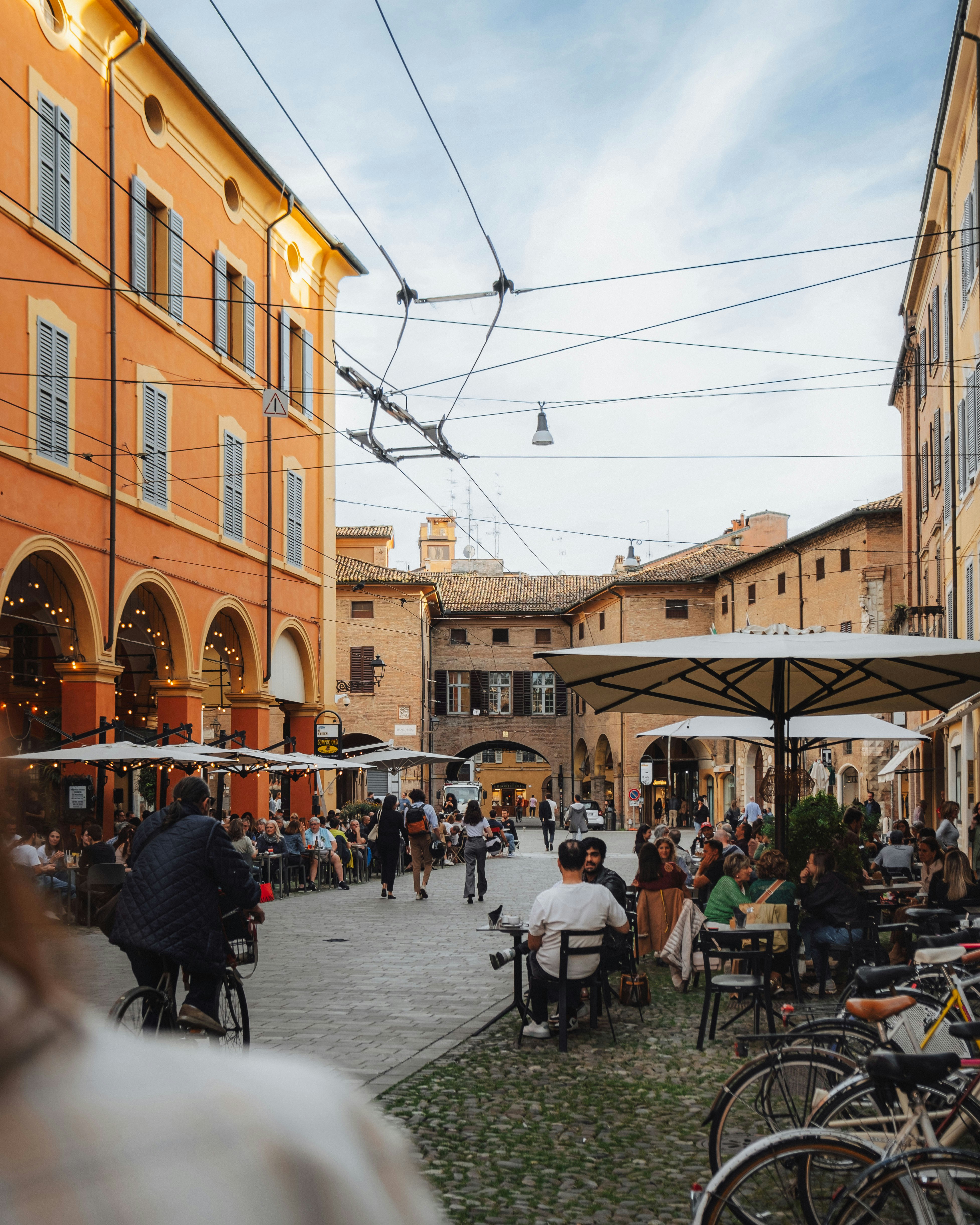
Today you will discover Modena, the city of Aceto Balsamico di Modena and the birthplace of Ferrari and Maserati. Stroll through the charming historic centre with its cathedral, Torre Ghirlandina and Piazza Grande, which together are listed as a UNESCO World Heritage Site. Next up is Maranello, where the Ferrari museum is a must for car enthusiasts. Close to the legendary factory, you will gain a fascinating insight into the history of the brand. Admire the collection of sports cars, Formula 1 cars and motorcycles, or test your driving skills in the virtual F1 simulator.
Day 3: Parma
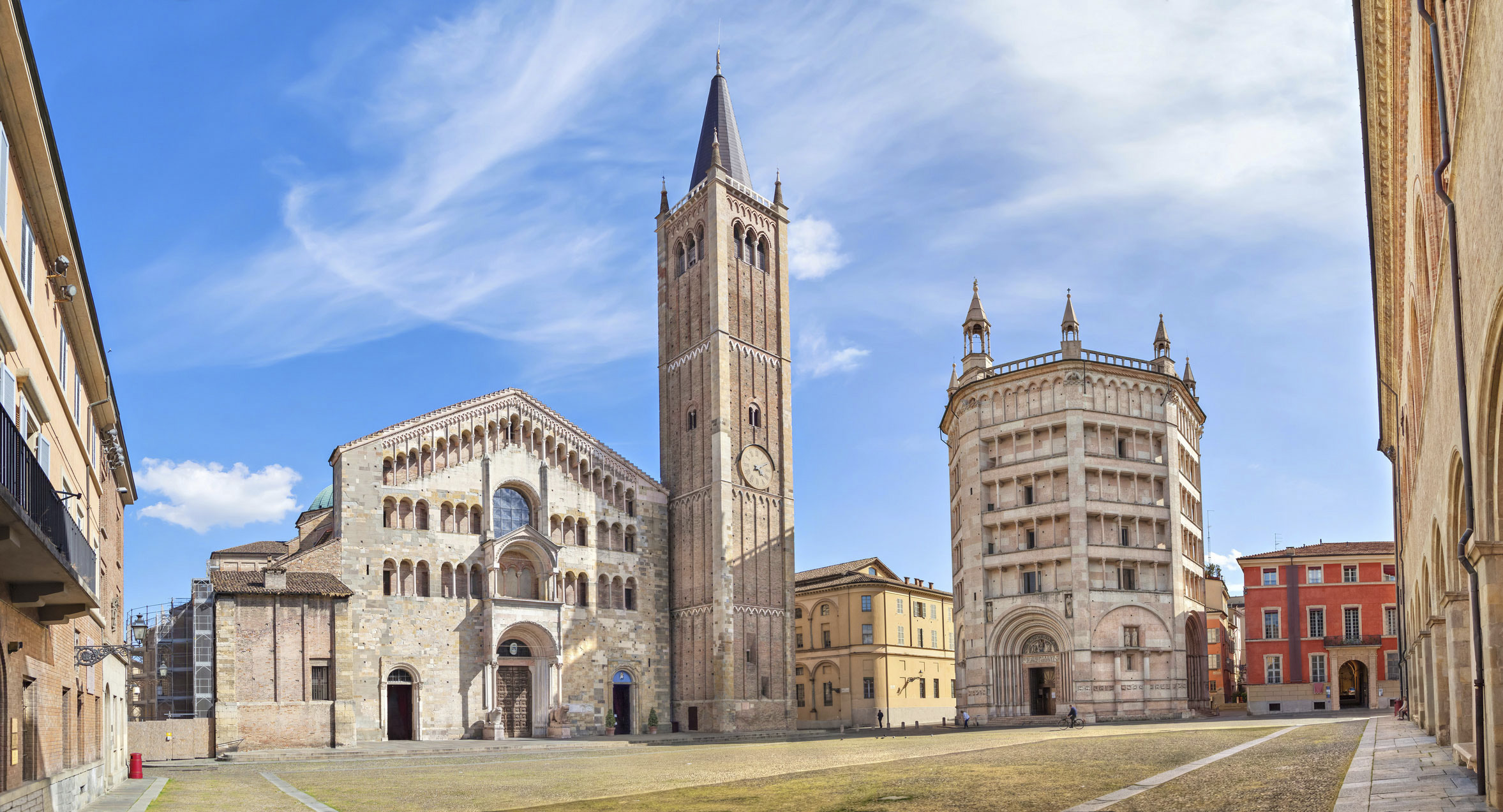
Today, Parma is on the programme, a city that gave its name to some of Italy's most famous delicacies. Visit a prosciuttificio where Parma ham is matured in the traditional way and a caseificio where artisan Parmigiano Reggiano is made, with tasting included, of course. Then explore the charming centre with its elegant squares, the imposing cathedral with its baptistery, the bell tower and the all-wooden Teatro Farnese, a jewel of the Renaissance.
Day 4: Reggio Emilia and drive to Bologna
On the way to your next accommodation, a stop in Reggio Emilia is definitely worthwhile. This quiet city, far away from mass tourism, charms with its elegant squares such as Piazza Prampolini, atmospheric churches and the Tricolore Museum, dedicated to the Italian flag, which was first officially adopted here in 1797. After your visit, continue to your hotel east of Bologna, where you will stay in a small-scale country hotel or a comfortable resort, depending on your preference.
Day 5: Bologna
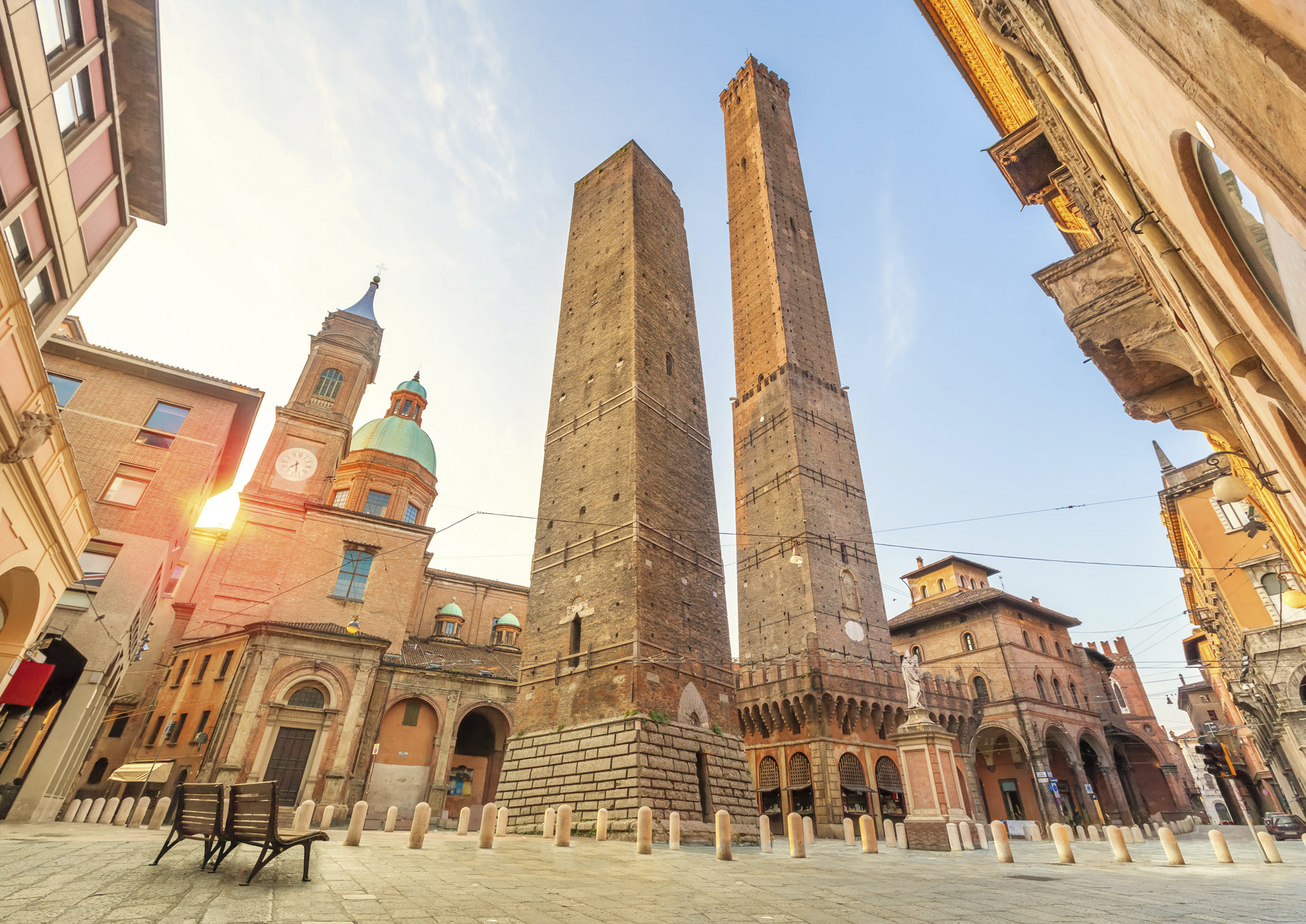
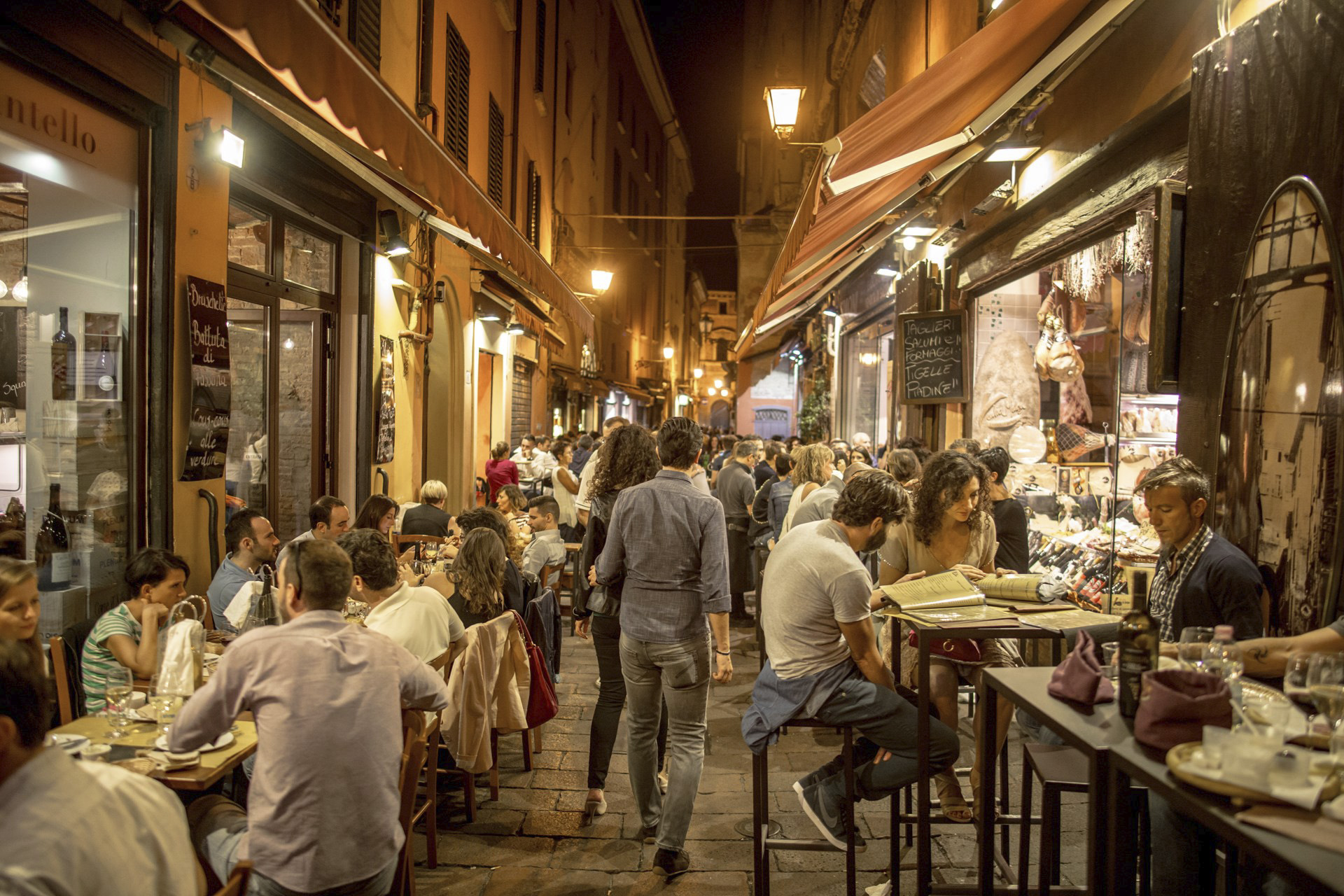
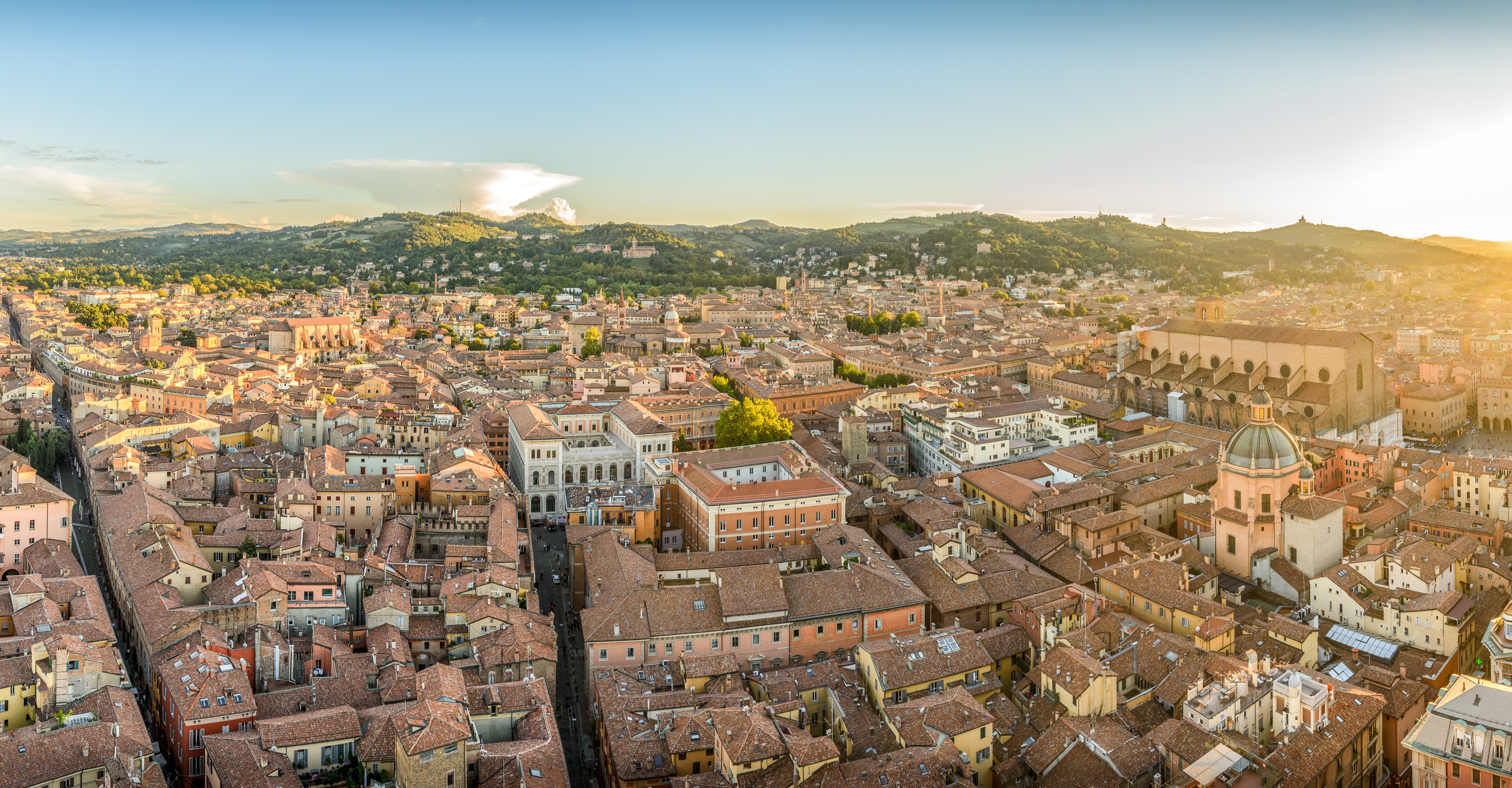
Today you will discover Bologna, the bustling capital of Emilia-Romagna, known for its three nicknames: La Grassa (the fat one) for its rich cuisine, La Dotta (the learned one) as home to the oldest university in Europe, and La Rossa (the red one) because of its terracotta roofs. Stroll under the endless arcades (portici), admire the iconic Due Torri and enjoy the lively Piazza Maggiore. Between sightseeing, sample local classics such as tagliatelle al ragù and mortadella, flavours that have earned this city its culinary fame.
Day 6: Ferrara
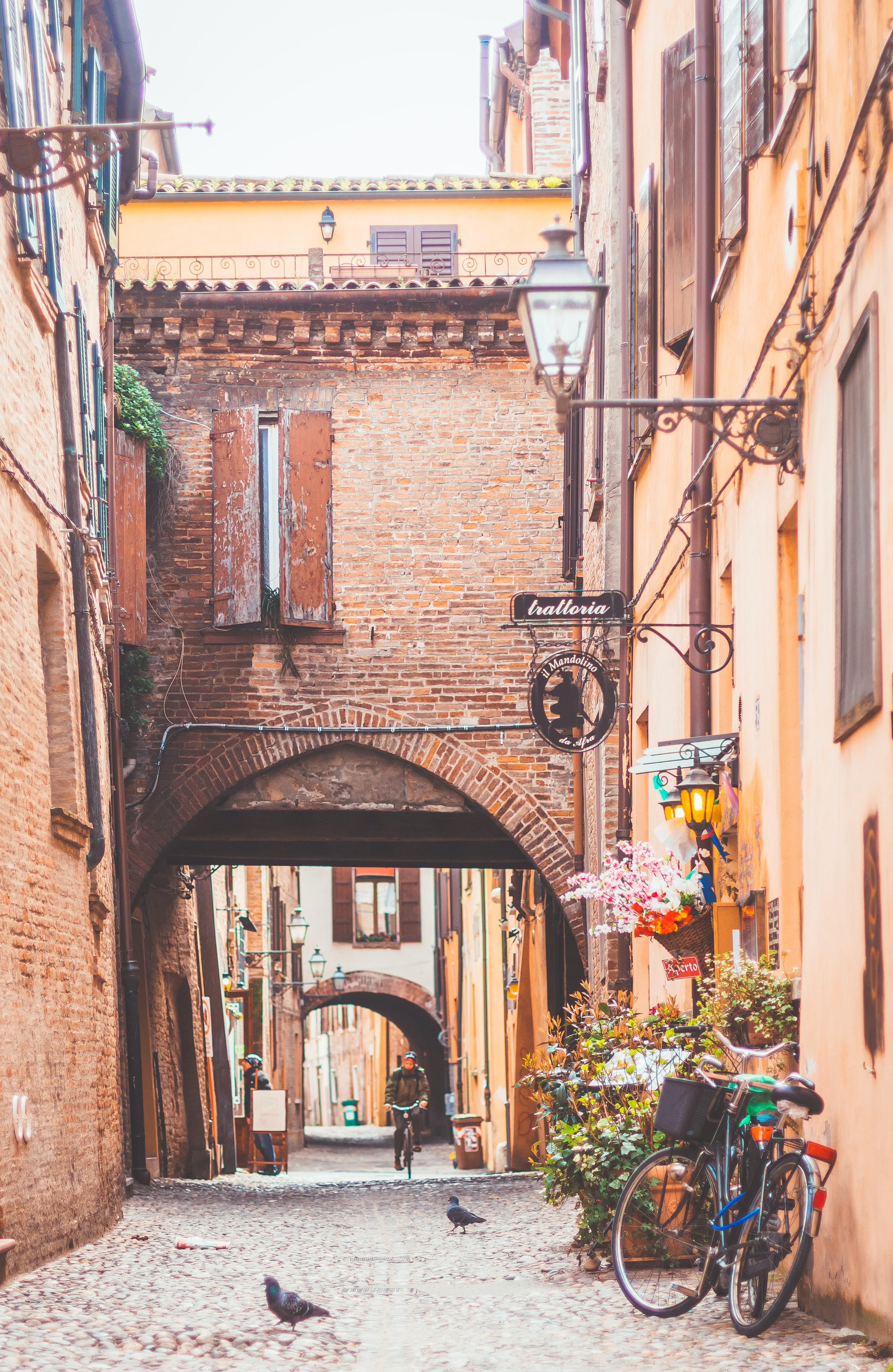
Ferrara, often overlooked, is one of Italy's best-kept secrets. This charming city, also known as the cycling capital of Italy, is best explored on two wheels. Cycle along car-free streets, over ancient city walls and through a setting that seems straight out of the Renaissance. At the heart of the city stands the impressive Castello Estense, home to the noble d'Este family, who developed Ferrara into a thriving cultural centre in the 15th century. A place that effortlessly combines history and serenity.
Day 7: From Emilia-Romagna to Le Marche
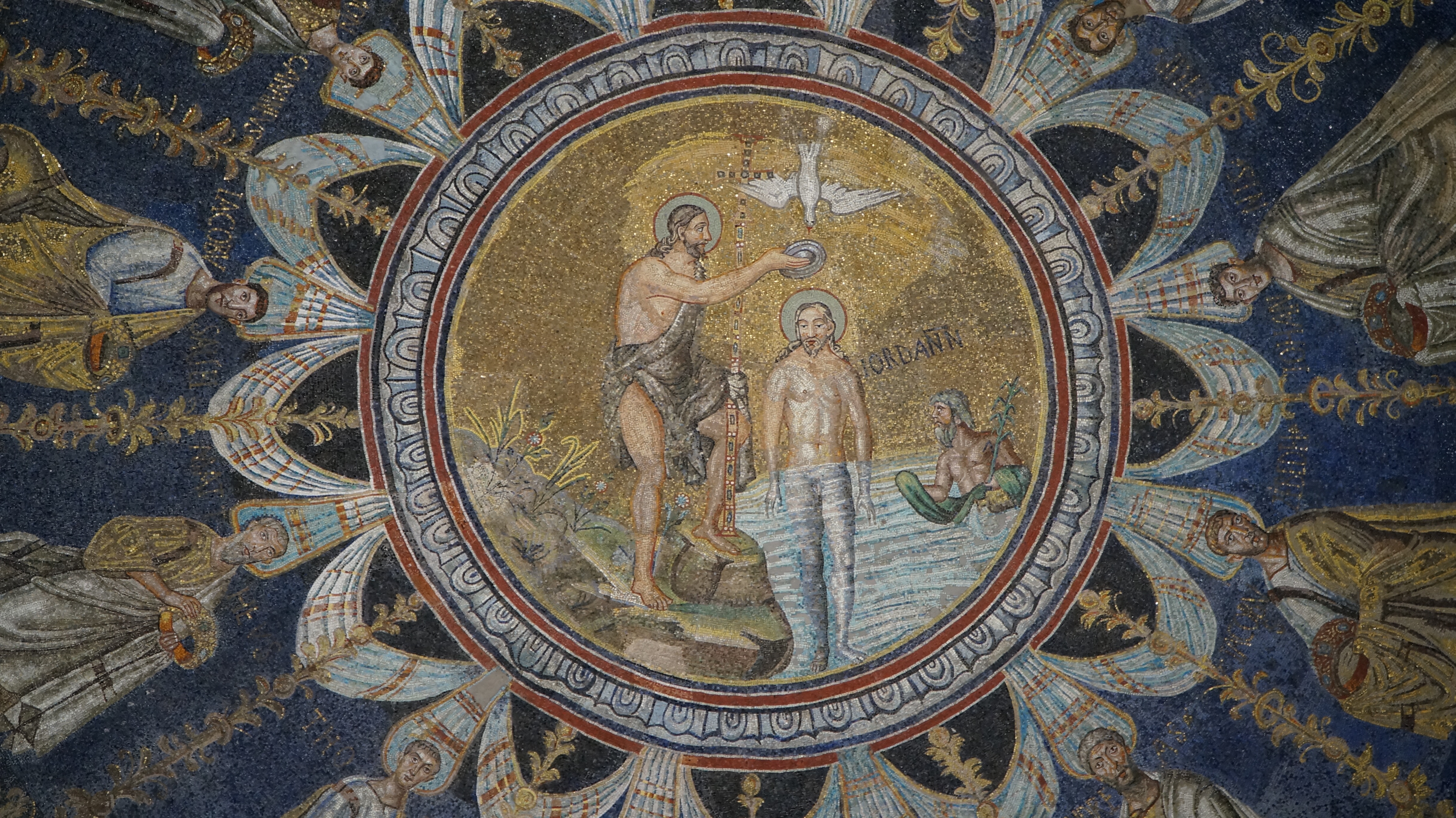
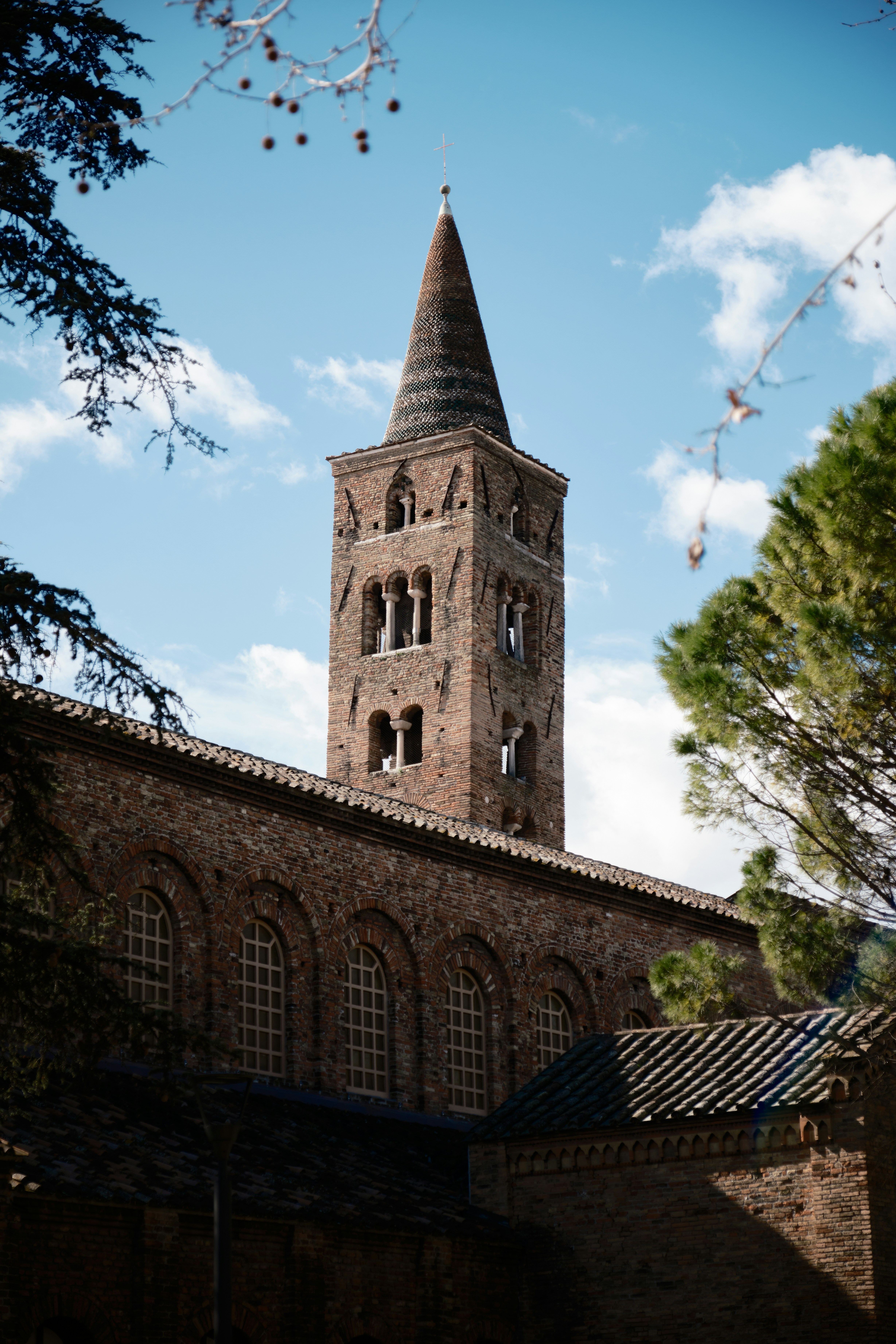
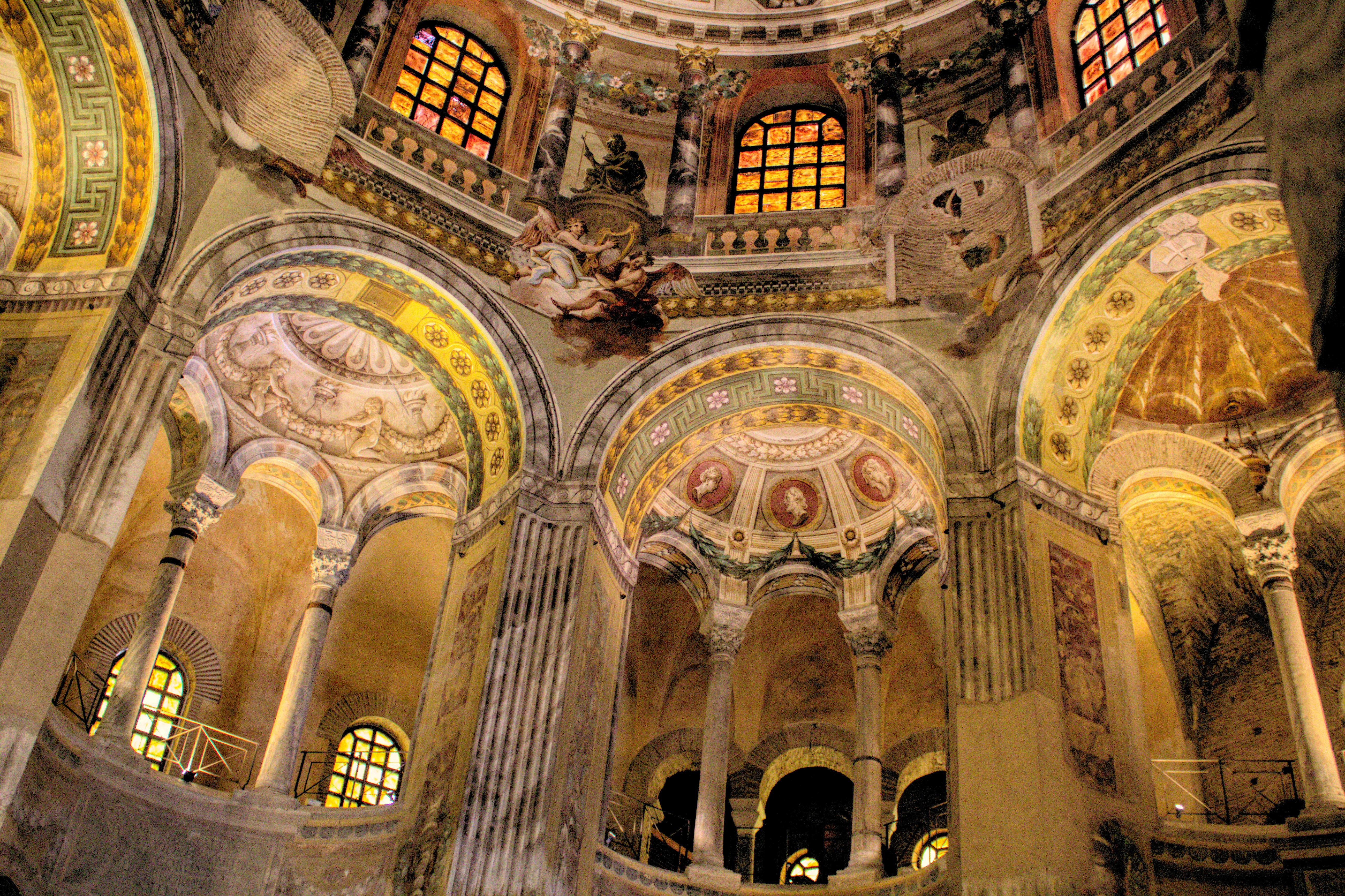
Today you will continue towards Le Marche, but first there is a fascinating stopover in Ravenna, once the capital of the Western Roman Empire. The city is known for its breathtaking Byzantine mosaics, silent witnesses to a glorious past. Eight of its churches and monuments are listed as UNESCO World Heritage Sites. Be sure to visit the Basilica di San Vitale, the Mausoleum of Galla Placidia and the tomb of the poet Dante Alighieri.
Then you will continue on to Le Marche, a region between the Adriatic Sea and the Apennines. You will stay for four nights in an elegant neoclassical castle, quietly located just ten kilometres from the coast.
Day 8: Urbino and Corinaldo
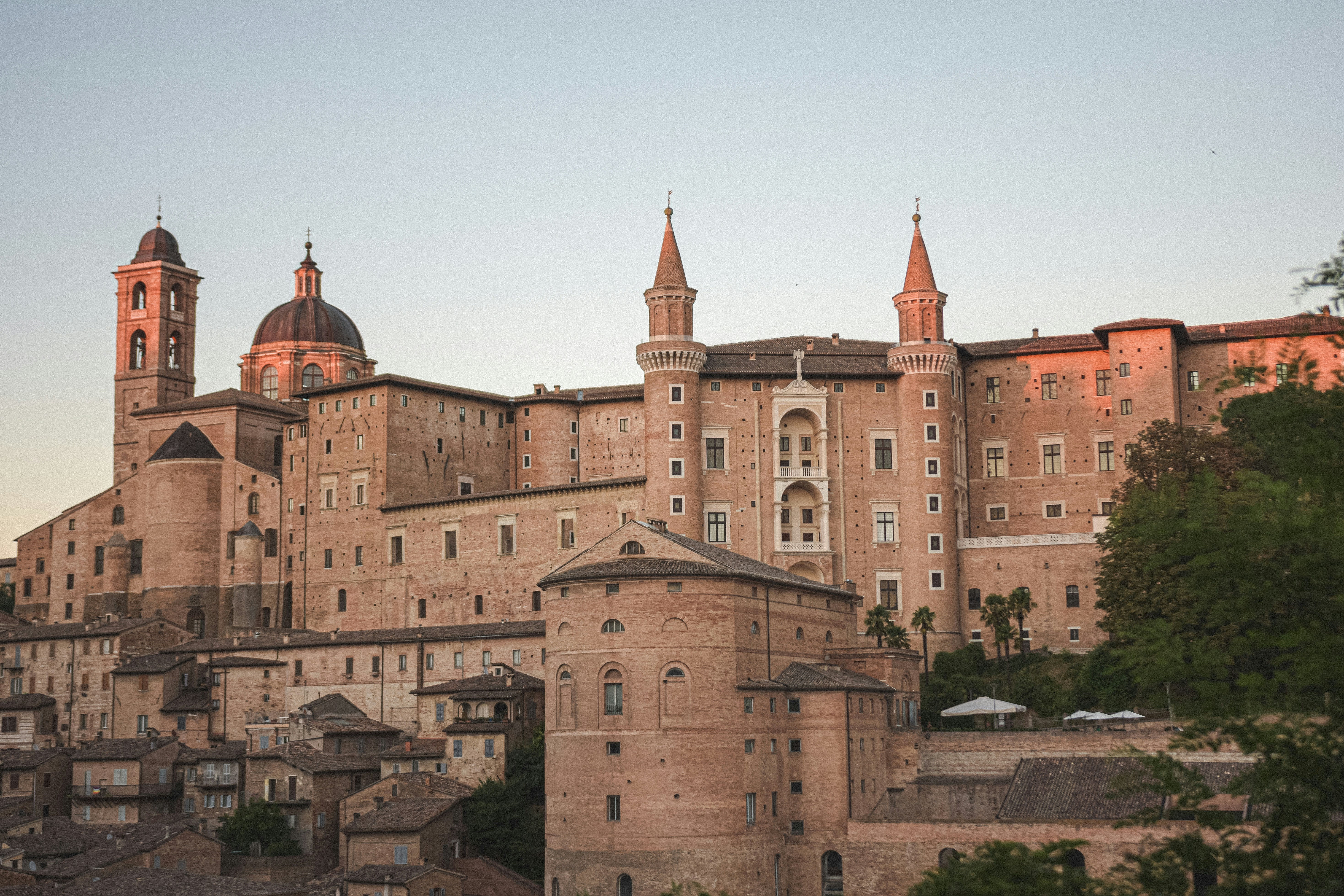
Today you will discover Urbino, a Renaissance city full of charm and history. The imposing Palazzo Ducale, built in the 15th century by order of Duke Federico da Montefeltro, is an absolute eye-catcher. Inside, you can admire the refined studiolo with its meticulous wood inlay work and the Galleria Nazionale delle Marche, where works by Piero della Francesca, Titian and Raphael are on display. In Urbino, you will also visit Raphael's birthplace and the stately cathedral.
On the way back, it is worth making a detour to Corinaldo, one of the most beautiful villages in Italy. Within the intact 15th-century city walls, you can stroll through the steep street of La Piaggia, with more than a hundred steps and the famous Pozzo della Polenta, where, according to legend, a well full of polenta once appeared.
Day 9: The Conero Riviera and Loreto
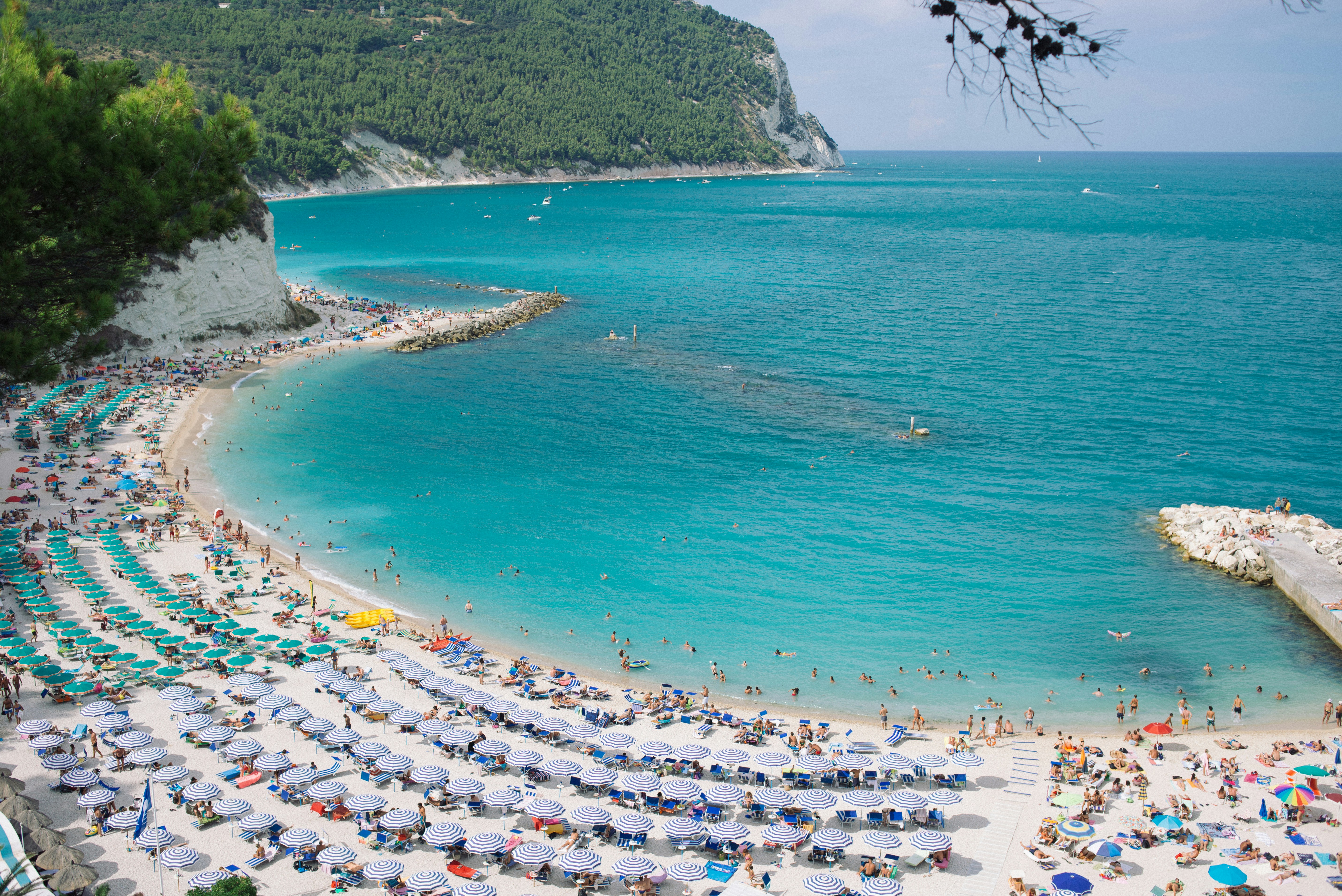
Today, the coast beckons. Drive to the Conero Riviera, where white limestone cliffs overlook the turquoise Adriatic Sea. The charming coastal villages of Sirolo and Numana invite you to take a stroll or enjoy lunch with a sea view. On the way, you can visit Loreto, an important pilgrimage site with the richly decorated Basilica of the Holy House. A little further on is Recanati, known for its handmade accordions and as the birthplace of the poet Giacomo Leopardi.
Day 10: The caves of Frasassi and Jesi
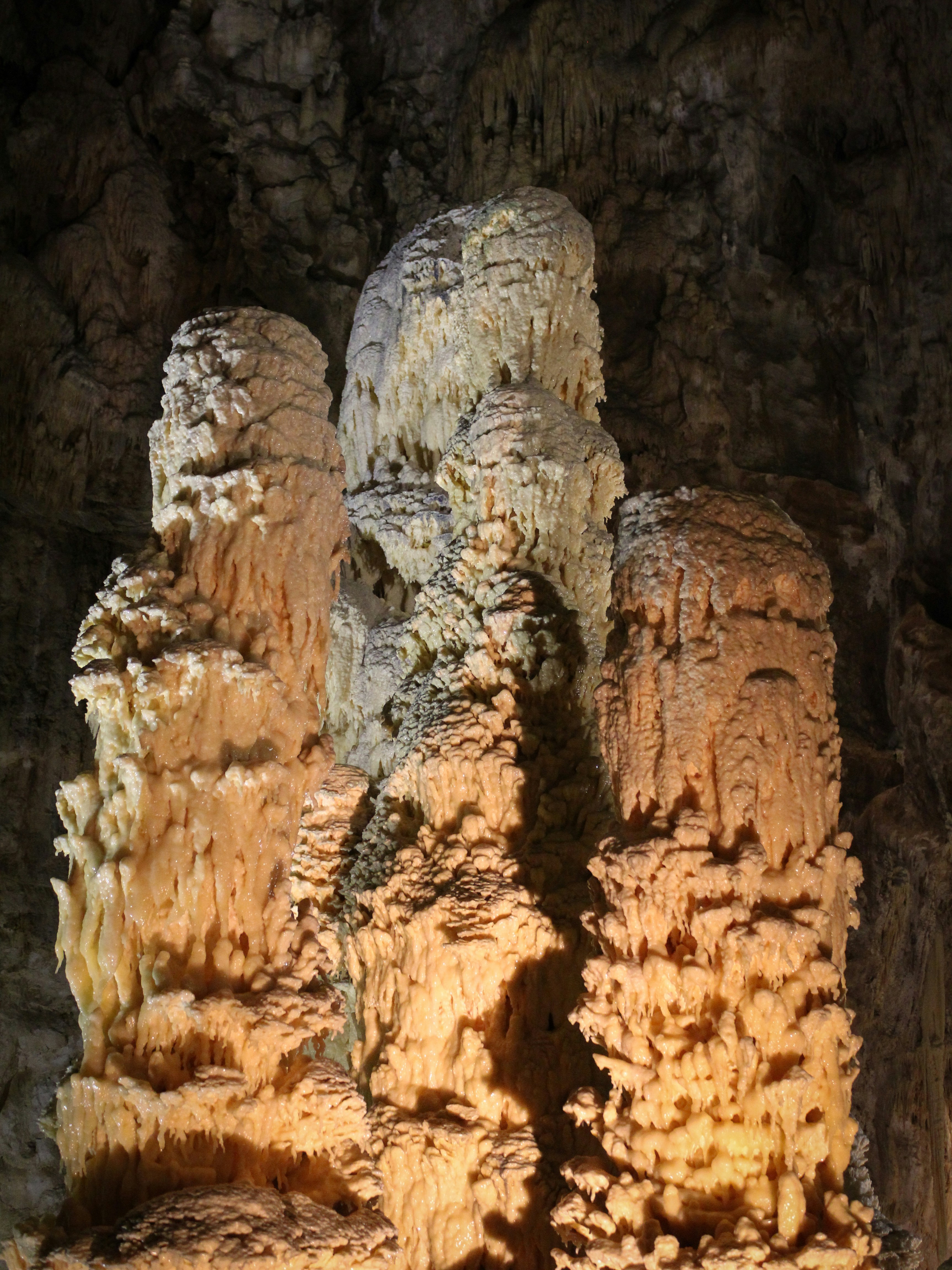
Today you head inland to the impressive Frasassi Caves, one of the largest cave systems in Europe. The Grotta Grande del Vento, as big as a cathedral, is guaranteed to impress.
On the way back, you will stop in Jesi, a charming town with medieval walls and the elegant Palazzo della Signoria by architect Francesco di Giorgio Martini. Also visit the art gallery with its Rococo gallery or the 18th-century Pergolesi theatre, richly decorated with gold, frescoes and red velvet.
Day 11: Return home
After breakfast, drive back to Bologna, a journey of approximately 185 kilometres. From the aeroplane, look back once more on this trip full of flavours, art and authentic charm, two regions that show Italy at its most surprising.
What budget should you expect?
For this journey, you can expect a price starting from € 1,950 per person. This includes flights and a rental car. The exact price will depend on the period you travel, your final choices, and any optional extras.
Frequently asked questions about the Emilia-Romagna and Le Marche tour
When is the best time to visit Emilia-Romagna and Le Marche?
April, May, June, September and October are ideal. Temperatures are pleasant for visiting the cities of Bologna and Parma. In the hills of Le Marche, walks and coastal trips to the Conero Riviera are particularly enjoyable. July and August are warmer and busier.
Is a hire car necessary for this tour?
Yes, a hire car is highly recommended. Producers of Parmigiano Reggiano and balsamic vinegar are scattered around Modena and Parma. Villages such as Corinaldo, the caves of Grotte di Frasassi and the coast at Monte Conero are also easiest to reach with your own transport.
What makes this trip different from a classic tour of Italy?
You focus on two less touristy regions. In Emilia-Romagna, everything revolves around gastronomy: Parmigiano Reggiano, Parma ham and balsamic vinegar. Then you discover Le Marche with Renaissance cities such as Urbino and the coast of the Conero Riviera. Less well-known places, lots of local atmosphere.
Why book with Caractère?
- Best price guarantee
- Caractère extras
- Just one phone call or email away from our enthusiastic travel experts
- Pay safely
- No extra or hidden fees